Share This Page

10 Ways a Nursing Home Pub Is Helping Dementia Patients Reconnect

The Dementia Pub
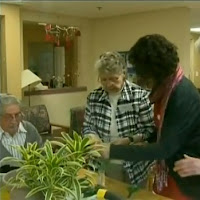
A cozy pub inside a nursing home is doing something remarkable — helping residents with dementia reconnect, open up, and feel like themselves again. Here are 10 ways this surprising space is changing daily life. (Video)

In Duisburg, Germany, a nursing home has opened a pub to help residents recall cherished memories and feel at home.

1. A Place That Feels Familiar

For many older adults, pubs were once a natural part of community life — a place to meet friends, share stories, or unwind after work. Re-creating this setting inside a nursing home immediately feels familiar. Residents who were anxious or confused in clinical spaces relax almost as soon as they enter. (Continued below video…)

2. Unlocking Long-Held Memories

Dementia affects short-term memory first, while long-term memories often remain accessible. The atmosphere — wood tables, pub décor, music from earlier decades — helps residents recall moments from youth and adulthood. Stories surface that families haven’t heard in years.

3. Encouraging Conversation

In the pub, residents who rarely speak suddenly begin chatting. Ordering a drink, laughing with staff, or reacting to music gives them a reason to initiate conversation. The pub becomes a social spark where communication flows naturally. (Continued below chart…)

Benefits of Familiar-Environment & Reminiscence Spaces
Benefit Observed Improvement Visual
Conversation & social engagement +40–60%
Positive mood & emotional stability +35–50%
Sense of identity & confidence +30–45%
Reduction in agitation –25–35%
Improved family visits +50% (reported)
Data synthesized from reminiscence-therapy and environment-design studies used in dementia care.

4. Reducing Loneliness

Social isolation is one of the hardest challenges of living with dementia. The pub creates a gathering place where residents sit together, play simple games, and enjoy each other’s company. Many reconnect with people on their unit whom they had previously overlooked.

5. Supporting Emotional Well-Being

Warm lighting, comfortable seating, soft music, and a relaxed rhythm help regulate mood. Care staff frequently notice residents becoming calmer, happier, and more focused — with effects lasting beyond the visit.

Recommended Books on
Communication for Dementia Caregivers:
1. Learning to Speak Alzheimer’s
2. Connecting the Dots
3. Talking to Alzheimer’s
4. You Say Goodbye and We Say Hello
5. Creating Moments of Joy

6. Improving Family Visits

The pub transforms visits that used to feel pressured or awkward. Instead of struggling to make conversation, families have a shared activity in a warm environment. For many, the pub becomes the one place where their loved one feels most like themselves.

7. Sparking Old Hobbies and Interests

Some residents pick up familiar pub pastimes: cards, darts, singing along with old songs, or tapping out a rhythm. These small moments of agency restore a sense of identity and capability.

8. Creating Gentle Social Structure

Weekly pub afternoons give the day a sense of rhythm. Consistent, enjoyable routines can reduce confusion and provide something uplifting to anticipate.

9. Giving Staff a Bonding Opportunity

Caregivers often deepen their relationship with residents through shared laughter and conversation in the pub. When trust grows, caregiving becomes smoother and more cooperative.

10. Restoring Dignity and Normalcy

Above all, the pub setting reminds residents — and their families — that dementia does not erase who they are. It offers dignity, independence, and the joy of ordinary life inside a care home.


Related:

Email me when people comment
Notify of
guest

0 Comments
Inline Feedbacks
View all comments
By:
Picture of Peter Berger

Peter Berger

With experience in dementia caregiving, public education, and Alzheimer’s-focused writing—and a professional research background shaped in what many consider one of the world’s top laboratories—I work to make complex findings clear, practical, and genuinely helpful for families and professionals providing care.

This site was inspired by my Mom’s autoimmune dementia.

It is a place where we separate out the wheat from the chafe, the important articles & videos from each week’s river of news. Google gets a new post on Alzheimer’s or dementia every 7 minutes. That can overwhelm anyone looking for help. This site filters out, focuses on and offers only the best information. it has helped hundreds of thousands of people since it debuted in 2007. Thanks to our many subscribers for your supportive feedback.

The site is dedicated to all those preserving the dignity of the community of people living with dementia.

Peter Berger, Editor

Share this page To

Dementia Books & Videos on Amazon:

More From Alzheimer's Weekly

Natalie explaining why visits are important in dementia
Care-Facilities

Why Visit When Memory is Gone

CARE VIDEO: Dementia-Friends-Champion Natalie talks through the ‘bookcase analogy’. Understand the way dementia affects a person and why visits are so important to them.

Read More »
Share to Facebook
Twitter
LinkedIn

Visit Alzheimer's Weekly On

Welcome

Alzheimer’s & Dementia Weekly was inspired by my mother’s journey with autoimmune dementia and my dad’s with Parkinson’s dementia.

Walking beside them opened my eyes to the confusion, the courage, and the deep humanity found in families and professionals caring for someone they love.

Since its debut in 2007, this site has had one clear mission:
to separate the wheat from the chaff — to highlight only the most essential articles, studies, tools, and videos from the overwhelming river of dementia-related information.
(At last count, Google receives a new post on Alzheimer’s or dementia every seven minutes.) For anyone seeking clarity or support, that constant flow can be exhausting and discouraging.

Alzheimer’s Weekly filters, translates, and explains what matters most, helping hundreds of thousands of families, clinicians, and care teams around the world make sense of the latest research and best practices.

This site is dedicated to everyone who works—often quietly and tirelessly—to preserve dignity in the community of people living with dementia.


About the Editor

With experience in dementia caregiving, public education, and Alzheimer’s-focused writing—and a professional research background shaped in what many consider one of the world’s top laboratories—I work to make complex findings clear, practical, and genuinely helpful for both families and professionals providing care.

My goal is simple:
Translate the best science into guidance that lightens the load, strengthens understanding, and helps every person with dementia live with dignity.

Peter Berger
Editor, Alzheimer’s Weekly

Free:
Alzheimer's & Dementia
Weekly Newsletter

INCLUDES BONUS BOOKLET:
15 Simple Things You Can Do to Care For a Loved One with Dementia or Memory Loss
News, Treatments, Care Tips, Diet, Research, Diagnosis, Therapies & Prevention
News to Get at the Truth

Subscribe To Our Weekly Newsletter

0
Would love your thoughts, please comment.x
()
x