Convincing Drivers with Dementia to Hand in the Keys
TEEPA VIDEOS: Half of all drivers over 65 who died in traffic accidents had Alzheimer’s symptoms. Watch Teepa demonstrate how to get your loved on to hand in the keys.
TEEPA VIDEOS: Half of all drivers over 65 who died in traffic accidents had Alzheimer’s symptoms. Watch Teepa demonstrate how to get your loved on to hand in the keys.

Bud, a strong military man, shares what bothers him the most about his dementia. See what he has to say about driving, Alzheimer’s and the new balance he has achieved regarding the things he will and won’t do.
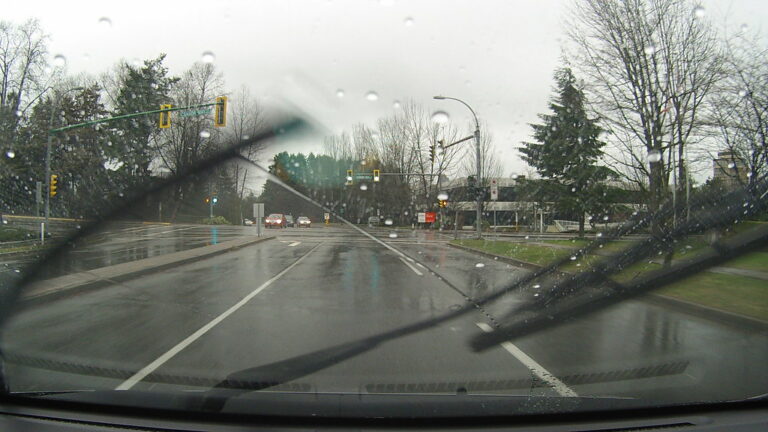
POLICE DASH CAM VIDEO + ARTICLE:
See a man with Alzheimer’s driving 60 MPH (100kph) at police, against traffic, on New Year’s. Learn how-and-when to help a person with Alzheimer’s hand in the car keys.
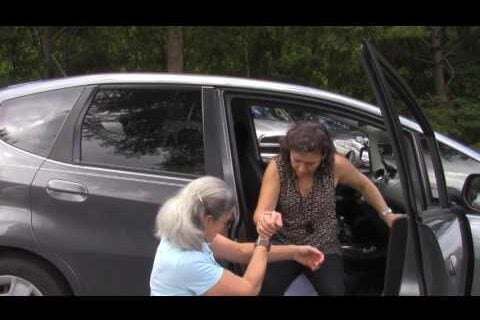
Getting in and out of a car’s passenger seat may not be simple, once dementia sets in. Learn the skills needed.
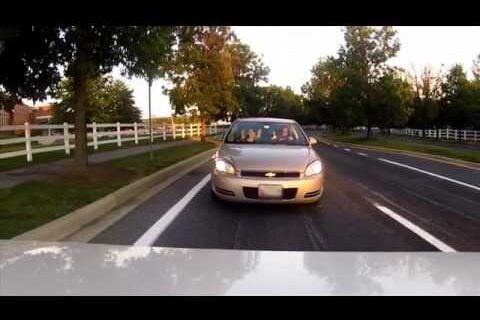
VIDEO + CHECKLIST OF 15 WARNING SIGNS: Memory problems caused by Alzheimer’s make driving unsafe. See how. Watch this thought-provoking video to open up the discussion with family members, friends and patients.
DASHCAM VIDEO, TIPS + ARTICLE: See this police car’s dashcam video of a man with dementia zooming his BMW head-on towards it at highway speed.

BRAIN-HEALTHY RECIPE: An appeal to your senses: Beautiful to behold, delicious to taste. Refreshing aroma from dementia-shielding citrus and satisfying crunch from brain-healthy pecans.

VIDEO: This is not a story about dementia. This is a story about Liz.
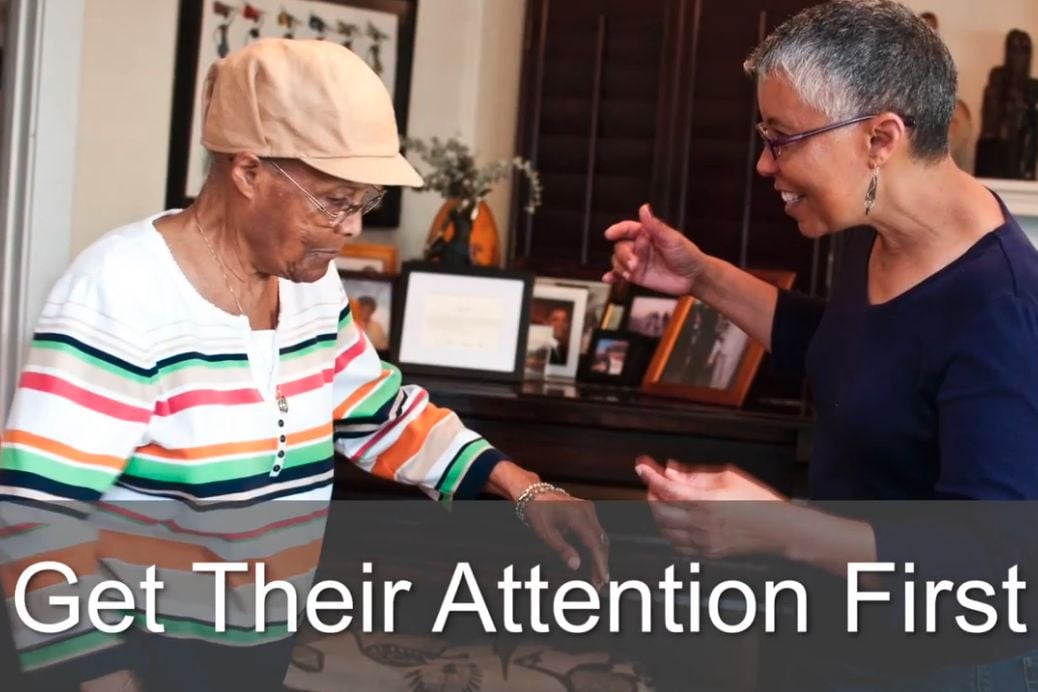
COMMUNICATIONS VIDEO + TRANSCRIPT: In Alzheimer’s, talking to a loved one can be very frustrating. Here are 3 tips that can help.

Three important dementia studies focus on HS-AGING, a type of dementia almost as common as Alzheimer’s in the 85+ group. Yet few people have heard of it. Why? What makes it different?
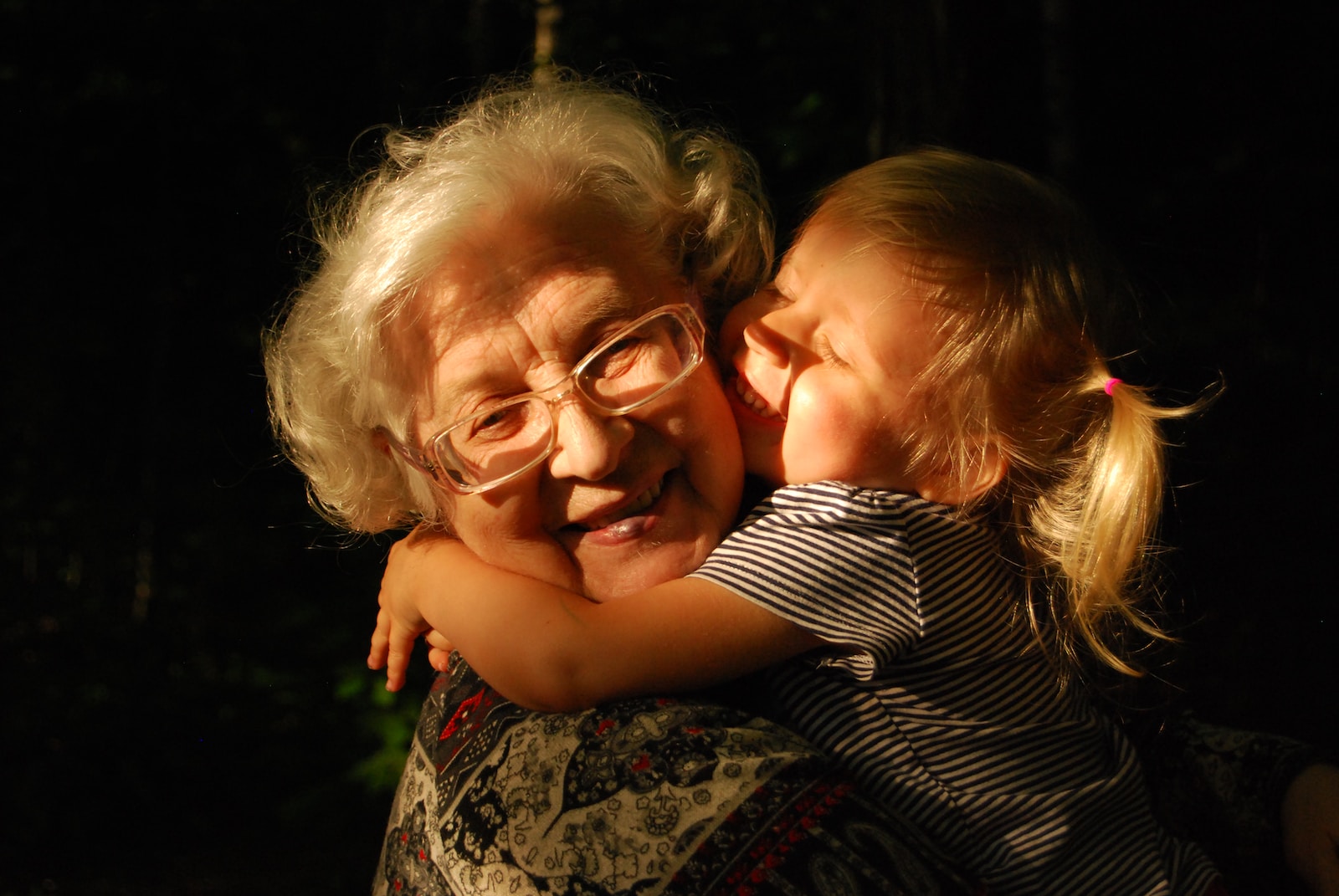
An intriguing study of 120 grandmothers might surprise you. Doctors know socially engaged people have better cognition and less dementia. But can a person get too much of a good thing? What’s the right balance?

Enjoy this great duet between a musician with dementia and his son. A triumph of spirit over Alzheimer’s! Sing-a-long if you like!

It looks like a sneeze cannot give anyone Alzheimer’s. While Alzheimer’s abnormal disease proteins do spread from cell-to-cell, they are not “infectious”. Check out the facts.