Aphasia in Dementia: Word Jumbles
Aphasia affects a person’s ability to communicate. It affects language functions, such as speaking, understanding what others say, and naming common objects. Learn its causes, types and a few tips.
Aphasia affects a person’s ability to communicate. It affects language functions, such as speaking, understanding what others say, and naming common objects. Learn its causes, types and a few tips.
Anosognosia affects the majority of people living with dementia. Understanding this condition fundamentally changes how we approach conversations, decision-making, and future planning.
Aphasia affects a person’s ability to communicate. It affects language functions, such as speaking, understanding what others say, and naming common objects. Learn its causes, types and a few tips.
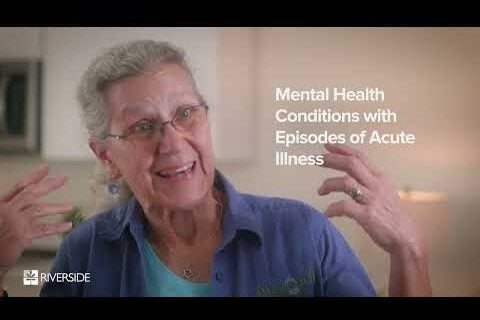
Teepa Snow, Dementia Care Specialist, shares what you need to know about conditions that can mimic dementia, but are actually reversible or treatable.

Skilled movements, like brushing teeth or opening car doors, are essential for daily living. Learn what happens when dementia triggers apraxia and these skills begin to fail.

Find out how two biomarkers in saliva diagnose pain in dementia, effectively and non-invasively.
VIDEO + ARTICLE: Alzheimer’s is difficult to diagnose, but researchers now have a promising new screening tool, using the window to the brain: the eye.
A British study has found the brain’s core for the "it hurts" experience. Think of what this could do for people with limited communication abilities,

DIAGNOSIS: A highly sensitive blood test has reached the market that can identify whether it is likely a patient has amyloid plaques in the brain,

DIAGNOSIS: In Lewy body dementia and Alzheimer’s, people can lose their ability to recognize faces. If this leads to a false belief, such as a

TIPS, INFO + FREE HANDBOOK:
Caring for dementia can cause caregiver burnout, endangering both patient & caregiver. Learn 8 ways to prevent it and better care for yourself. Get a free NIH Caregiver Handbook (104 pages).

LIFE-SAVING VIDEO:
Catching a stroke quickly can avoid vascular dementia. See how one smart lady, with one smartphone, shot the video that saved her brain.

Women have long claimed that they can remember things better – and longer – than men. An important study sheds light on the matter. Learn how women’s memory performs at various stages of life.
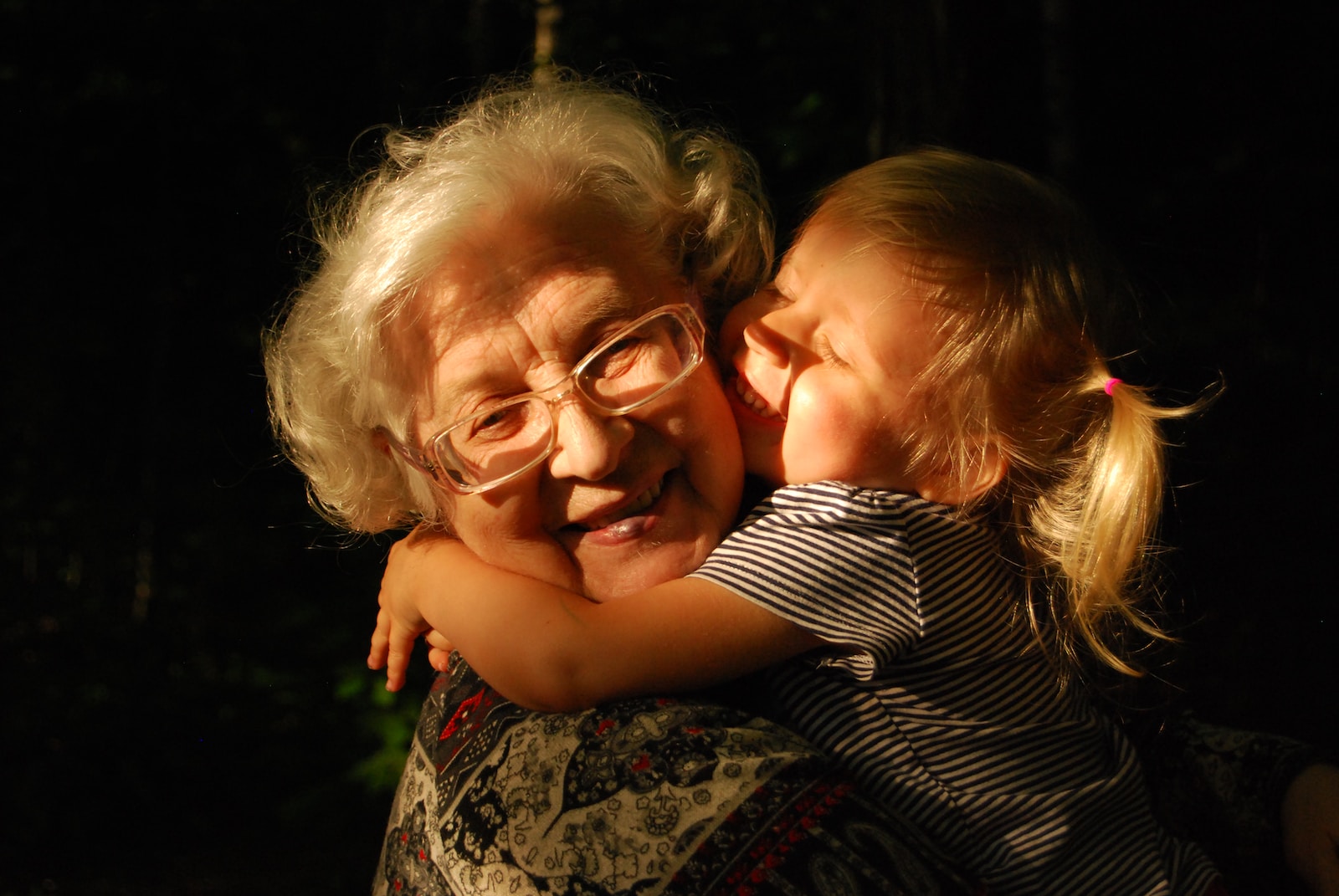
An intriguing study of 120 grandmothers might surprise you. Doctors know socially engaged people have better cognition and less dementia. But can a person get too much of a good thing? What’s the right balance?

Enjoy this great duet between a musician with dementia and his son. A triumph of spirit over Alzheimer’s! Sing-a-long if you like!
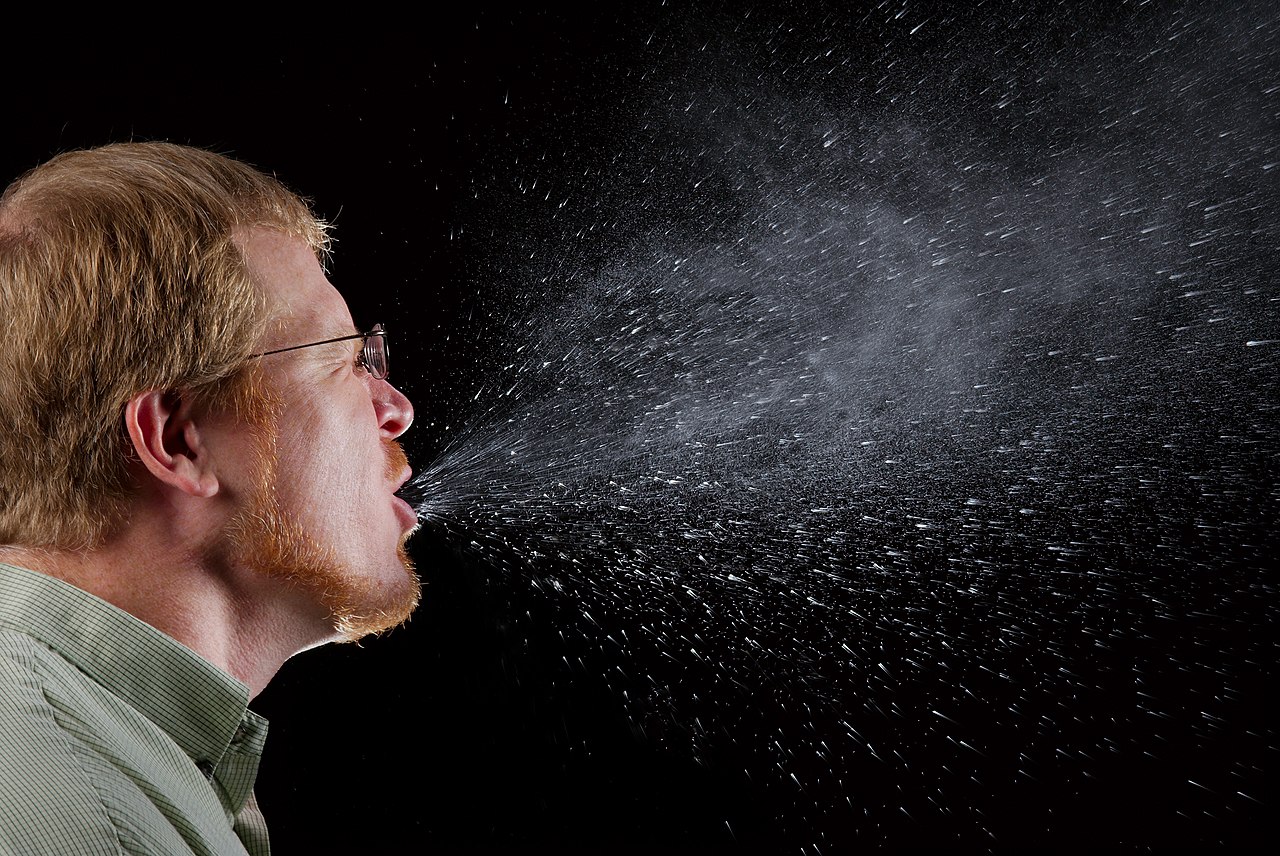
It looks like a sneeze cannot give anyone Alzheimer’s. While Alzheimer’s abnormal disease proteins do spread from cell-to-cell, they are not “infectious”. Check out the facts.

TEEPA CARE VIDEO: Learn about Alzheimer’s 6 stages. Teepa Snow shows what to expect, while keeping the focus on the person for whom you care.