Good News on the ‘Elderly’ Brain
Did you know? Intellectual abilities are increased in the brain by an average 300% in most people ages 60-80.

Did you know? Intellectual abilities are increased in the brain by an average 300% in most people ages 60-80.

Strengthening social connections may offer a surprising boost to long-term brain health.

A cozy pub inside a nursing home is doing something remarkable — helping residents with dementia reconnect, open up, and feel like themselves again. Here are 10 ways this surprising space is changing daily life.

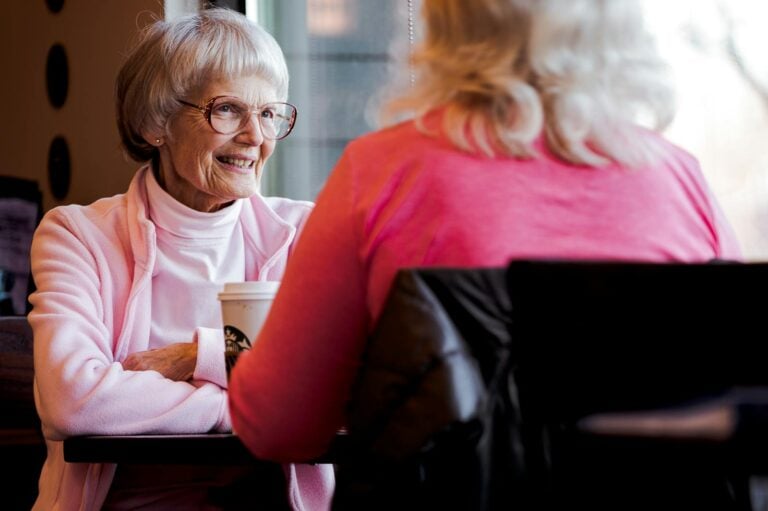
Researchers find that adults ages 70 to 90 who enjoy a pleasant social life, also have a better cognitive life.

Learn the latest research at Rush University on dementia-preventing activities that keep your brain refreshingly healthy.

VIDEO + ARTICLE: After studying 2,000 people, learn why researchers were surprised to find that allowing ourselves to ‘feel lonely’, and NOT ‘being alone’, was associated with getting dementia. See how feeling connected keeps your brain cells connected, too.

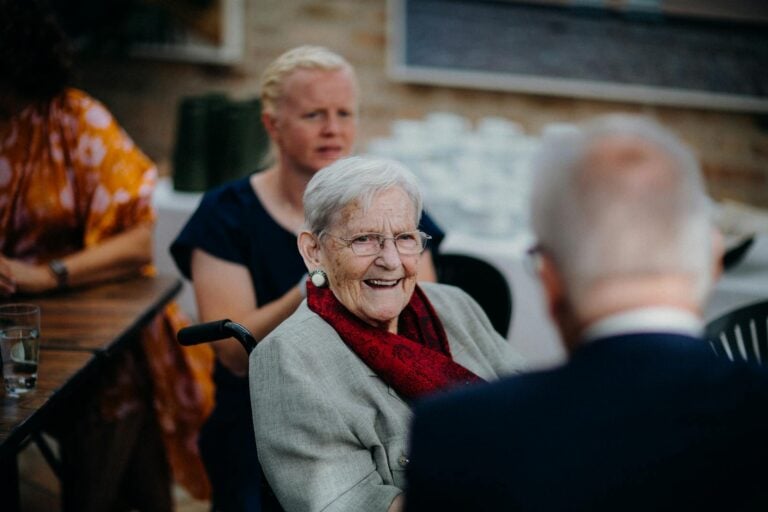
Very small things that people do can make a very big difference to people with dementia. Hear people with early dementia share their experiences, stigmas and what you can do to help create a dementia-friendly world.

Researchers find that a diet including more fruit, vegetables, beans and tea or coffee lowers the risk of developing dementia later in life. Learn more.

Did you know? Intellectual abilities are increased in the brain by an average 300% in most people ages 60-80.

Too much sleep and too little sleep can contribute to cognitive decline, researchers report. Learn more.

Researchers find that a diet including more fruit, vegetables, beans and tea or coffee lowers the risk of developing dementia later in life. Learn more.

Did you know? Intellectual abilities are increased in the brain by an average 300% in most people ages 60-80.

Too much sleep and too little sleep can contribute to cognitive decline, researchers report. Learn more.

People with dementia who were consistently seen by the same General Practitioner (GP) are given fewer medicines and are less likely to be given medicines that can cause problems, according to researchers at University of Exeter. Learn more.
No spam, only news and updates.