
Scammability – Dementia’s Newest Warning Sign
ELDER ABUSE (VIDEO + ARTICLE): Scammability, or ease of getting scammed, is a warning sign for dementia. Caused by loss of social judgement, it occurs before thinking or memory problems.
ELDER ABUSE (VIDEO + ARTICLE): Scammability, or ease of getting scammed, is a warning sign for dementia. Caused by loss of social judgement, it occurs before thinking or memory problems.

ABUSE VIDEO + ARTICLE: Over the past decade, nursing homes increasingly “dumped” residents on hospitals, refusing them permission to return. There were no consequences. In

Check out these top 12 care tips to assist people with dementia. Great for family, friends and professionals!

See Dr. Geoffrey Kerchner, Memory Disorders Specialist at California’s Memory Disorders Center, answer important questions for people who have, or may have, Alzheimer’s.

What is vascular dementia, the second most common of the dementias? What causes it? Can it be prevented or cured?

Three important dementia studies focus on HS-AGING, a type of dementia almost as common as Alzheimer’s in the 85+ group. Yet few people have heard of it. Why? What makes it different?
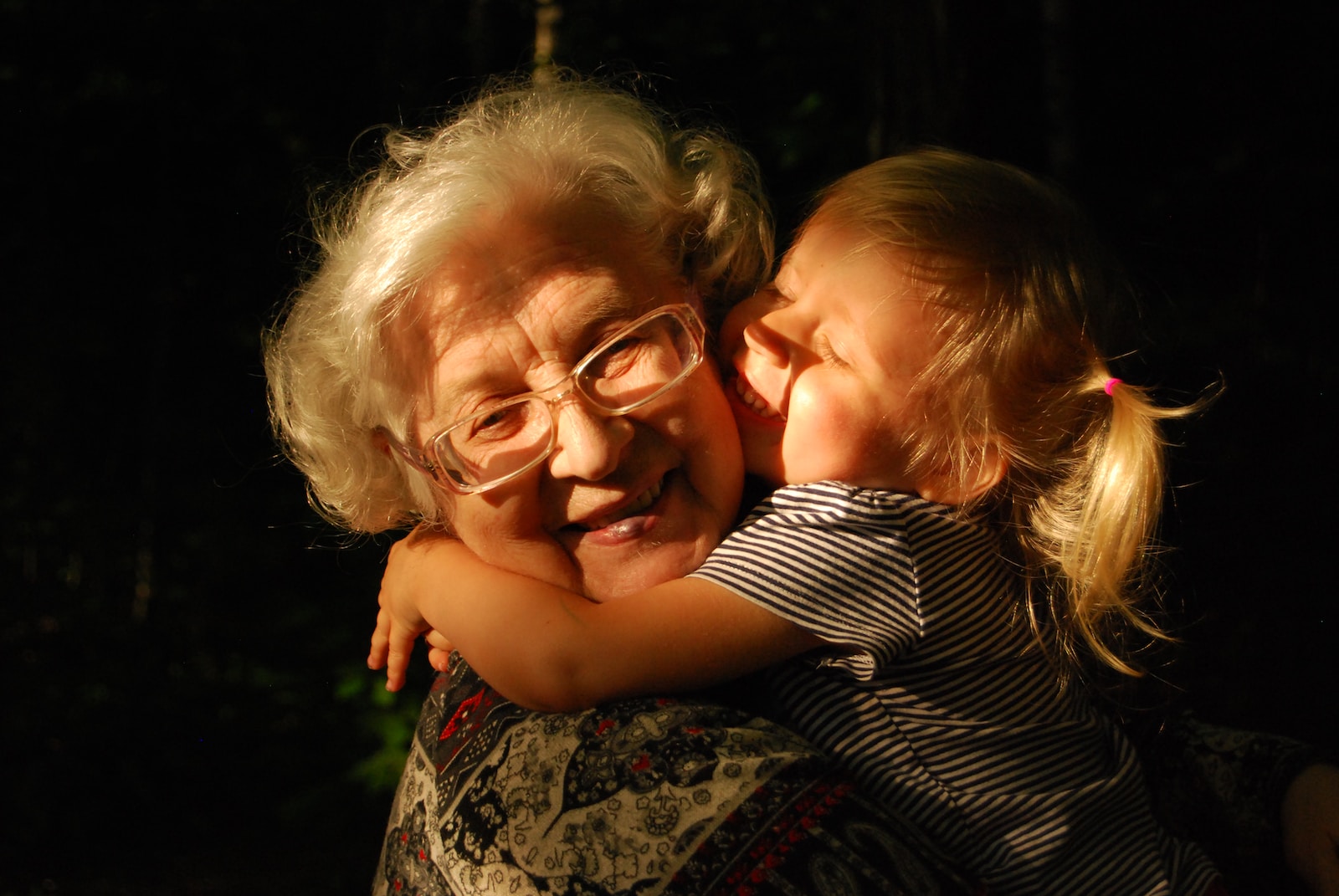
An intriguing study of 120 grandmothers might surprise you. Doctors know socially engaged people have better cognition and less dementia. But can a person get too much of a good thing? What’s the right balance?

Enjoy this great duet between a musician with dementia and his son. A triumph of spirit over Alzheimer’s! Sing-a-long if you like!

It looks like a sneeze cannot give anyone Alzheimer’s. While Alzheimer’s abnormal disease proteins do spread from cell-to-cell, they are not “infectious”. Check out the facts.


