Music, Poetry, Prayer, Rhythm – Use The Gifts They Still Have
TEEPA CARE VIDEO: In dementia, why focus on what people lose? Focus on what they have. Teepa shows how to make the most from their abilities.
TEEPA CARE VIDEO: In dementia, why focus on what people lose? Focus on what they have. Teepa shows how to make the most from their abilities.

This pleasant poem highlights how people living with dementia may be feeling.

There is more to us than our brains and our bodies, says dementia expert Teepa Snow. “There’s more to us than that … When we’re together, we become more.” Watch now.

Researchers discovered AWE to be a potent predictor of reduced pro-inflammatory cytokines. Can the awe we feel when touched by the beauty of nature, art and spirituality protect us from Alzheimer’s high levels of cytokines?


TEDx CARE VIDEO: Is caregiving an honor or a burden? A great call-of-duty or a heavy sense of obligation? Does it really matter? See research
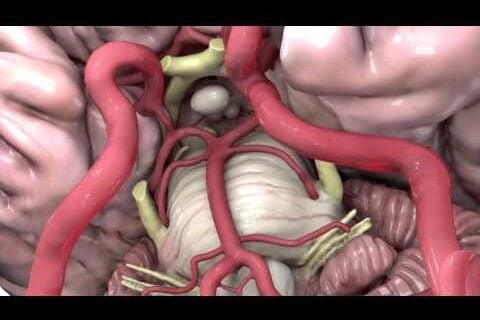
EXCEPTIONAL VASCULAR DEMENTIA VIDEO ANIMATION: Vascular deterioration in brains affects nearly everyone by 70. Aging arteries can trigger Vascular Dementia, or Vascular Cognitive Impairment. See the basics on its causes. Learn some tips on how to prevent it.

BRAIN-HEALTHY RECIPE: An appeal to your senses: Beautiful to behold, delicious to taste. Refreshing aroma from dementia-shielding citrus and satisfying crunch from brain-healthy pecans.

VIDEO: This is not a story about dementia. This is a story about Liz.

Three important dementia studies focus on HS-AGING, a type of dementia almost as common as Alzheimer’s in the 85+ group. Yet few people have heard of it. Why? What makes it different?

An intriguing study of 120 grandmothers might surprise you. Doctors know socially engaged people have better cognition and less dementia. But can a person get too much of a good thing? What’s the right balance?

Enjoy this great duet between a musician with dementia and his son. A triumph of spirit over Alzheimer’s! Sing-a-long if you like!

It looks like a sneeze cannot give anyone Alzheimer’s. While Alzheimer’s abnormal disease proteins do spread from cell-to-cell, they are not “infectious”. Check out the facts.