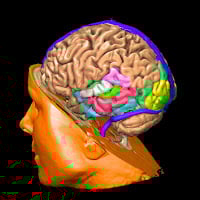
ALZHEIMER’S HISTORY VIDEO:
What progress have we made in the fight against Alzheimer’s Disease and dementia? What are the remaining challenges?

ALZHEIMER’S HISTORY VIDEO:
What progress have we made in the fight against Alzheimer’s Disease and dementia? What are the remaining challenges?


This site was inspired by my Mom’s autoimmune dementia.
It is a place where we separate out the wheat from the chafe, the important articles & videos from each week’s river of news. Google gets a new post on Alzheimer’s or dementia every 7 minutes. That can overwhelm anyone looking for help. This site filters out, focuses on and offers only the best information. it has helped hundreds of thousands of people since it debuted in 2007. Thanks to our many subscribers for your supportive feedback.
The site is dedicated to all those preserving the dignity of the community of people living with dementia.
Peter Berger, Editor
Share this page To

“Sundowning” describes agitation and anxiety often felt towards the end of the day in dementia. See what it is and what you can do about it.

Once a week, a chorus of people with Alzheimer’s rehearse side-by-side with their caregivers. The songs they sing are, remarkably, often from memory. Watch “The Giving Voice Chorus” in action.

Amyloid is one of the leading culprits behind Alzheimer’s. Scientists know it damages memory by killing brain cells. Now research reveals how amyloid triggers memory loss in perfectly healthy brain cells as well. Learn more about how Alzheimer’s develops.

Doctors are encouraging people to take advantage of holiday gatherings with relatives to discuss family medical histories. Learn why knowing your family’s medical history can help you avoid repeating past health issues.
Visit Alzheimer's Weekly On
Alzheimer’s & Dementia Weekly was inspired by my mother’s journey with autoimmune dementia and my dad’s with Parkinson’s dementia.
Walking beside them opened my eyes to the confusion, the courage, and the deep humanity found in families and professionals caring for someone they love.
Since its debut in 2007, this site has had one clear mission:
to separate the wheat from the chaff — to highlight only the most essential articles, studies, tools, and videos from the overwhelming river of dementia-related information.
(At last count, Google receives a new post on Alzheimer’s or dementia every seven minutes.) For anyone seeking clarity or support, that constant flow can be exhausting and discouraging.
Alzheimer’s Weekly filters, translates, and explains what matters most, helping hundreds of thousands of families, clinicians, and care teams around the world make sense of the latest research and best practices.
This site is dedicated to everyone who works—often quietly and tirelessly—to preserve dignity in the community of people living with dementia.
With experience in dementia caregiving, public education, and Alzheimer’s-focused writing—and a professional research background shaped in what many consider one of the world’s top laboratories—I work to make complex findings clear, practical, and genuinely helpful for both families and professionals providing care.
My goal is simple:
Translate the best science into guidance that lightens the load, strengthens understanding, and helps every person with dementia live with dignity.
Peter Berger
Editor, Alzheimer’s Weekly
The video mentions we can reduce our risk by making lifestyle choices. Research has identified a dietary supplement that will lower the risk of getting Alzheimer's and has been shown to reverse the course of Alzheimer's. There are more lifestyle choices that will have a greater impact than what is mentioned in this video. Aerobic exercise, increasing your dietary silica intake, reducing your aluminum intake and sleep. https://www.hippocraticpost.com/nursing/why-everyone-should-drink-silicon-rich-mineral-water/
Doubtful. My wife suffered from AD and eventually succumbed to it. I tried many supposed “treatments” and “cures”. Nothing worked.