







Statistics
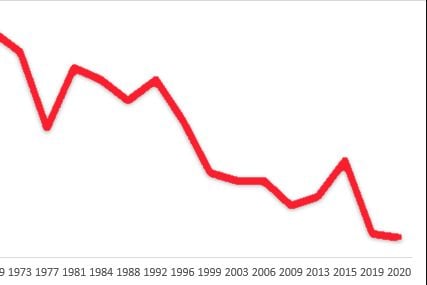
Dementia Rates Are Decreasing
U.S. dementia rates dropped 65% in 40 years. Even so, this predicts a 25% rise in total cases by 2050, due to population aging. See the real numbers. Learn why predictions of dementia doubling by 2050 are sensationalized fake news.

Children
Kids Interview People With Dementia
Many people are worried about ‘saying the wrong thing’ to someone living with dementia, yet a friendly face or listening ear can make the world of difference.

Uncategorized
How to Build a Professional Dementia Garden
The Therapeutic Gardens project in Italy has been studied, certified and recognized for excellence. Dementia patients improve memory, cognitive functions, language, mood and above all, they need less medication.

Books
How to Long-Distance Caregive
FREE BOOKLETS & CARE TIPS:
Long-distance dementia-caregiving has unique stresses. Learn what to do and how to help. Get free booklets on coping and succeeding.
this was extremely helpful regarding not stopping aricept. What about dosage. My husband has been on 10mg for years. His doctor says 20 mg not good for patients.
Two common side effects of Aricept (Donepezil) are insomnia and stomach pain. I worked for 6 years as an RN Cognitive Specialist (Psych Nurse) for a large home health company, and I was often called out to Memory Care Units to assist Alzheimer’s clients that had suddenly developed psychosis (audio and/or visual hallucinations, typically accompanied by increased agitation). In many cases the psychosis was caused by sleep deprivation, and when we stopped Aricept things would often improve rapidly. I was getting dozens of people per year off of Aricept and never saw a negative outcome. Many doctors advise that it should only be used in the early stages of the disease and immediately discontinued if there is no improvement. I strongly agree with this, as the side effects, especially sleep disturbance, are a real problem.
If the resident will not take their meds, then it would make sense to stop Aricept. If the resident will take their meds, it can't hurt anything.
My next question is how much does it affect their quality of life still being on it? These are the agitated, screaming, combative residents. I'm finding it very difficult to believe that Aricept makes that much of a difference with those residents. I've had residents in late stage Alzheimers who were severely agitated who were still on Aricept who had no changes in behavior while on it vs. when they wouldn't take their meds.