
Hidden Challenges of Family Caregivers
You knew caregiving would be hard. Everyone told you that much. You expected long days, interrupted sleep, and endless appointments. What you didn’t expect was how many other things would fall apart while you were busy keeping your loved one safe.
The obvious stuff is honestly manageable. You figured out the medication schedule. You learned how to help with bathing. You can redirect confusion pretty well now. But there’s this whole other layer of difficulty that nobody mentions in those cheerful pamphlets your doctor gave you.
When Everyone Else Disappears
Remember when your calendar used to be full? Book club, game nights, lunch with friends, weekend trips. That feels like a different lifetime now.
Your phone doesn’t ring as much anymore. At first, people checked in regularly. They offered help, said to call anytime. But months passed and those offers faded. This kind of isolation is common. According to the Alzheimer’s Association, more than 11 million Americans provide unpaid care for people with Alzheimer’s or other dementias, and many report shrinking social circles and increased loneliness over time.
What’s worse is feeling alone even when people are around. Your sister visits once a month and thinks she understands based on those few hours. She sees your loved one on a good day and suggests you’re overreacting. Nobody gets what your daily reality actually looks like. The constant vigilance. The repetitive conversations. The moments of heartbreak that happen multiple times a day.
Money Problems Nobody Discusses
Caring for someone with Alzheimer’s is expensive in ways you probably didn’t anticipate.
Maybe you had to quit your job or drop to part-time. That’s not just losing your current paycheck. You’re losing retirement contributions, career advancement, and professional connections. Your own financial future is taking serious hits.
Then there’s everything insurance won’t cover. Adult day programs aren’t cheap. Respite care costs more than you’d think. You’ve spent hundreds on home safety modifications, special locks, and grab bars. If you’re working with CDS providers, (Consumer Directed Services), you might have some flexibility in how care dollars get allocated. But that doesn’t solve watching your savings evaporate month after month.
The Grief That Has No Name
This part is really hard to talk about. Your loved one is still alive, still sitting across from you at breakfast, still physically present. But they’re also kind of gone already.
The person who gave you life advice isn’t there anymore. The one who laughed at your inside jokes has vanished. You can’t have real conversations. They don’t remember things you did together last week or yesterday. Sometimes they don’t even recognize your face.
You’re mourning someone who’s still breathing. There’s a term for this: ambiguous loss. It’s grief without closure, sadness without resolution. You can’t move through normal stages because the loss keeps happening over and over every day.
Some days your loved one might have a moment of clarity where they seem almost like their old self. Your heart lifts with hope. Then an hour later the confusion returns and reality crashes back down hard.
Your Body Is Paying the Price
Caregiving stress isn’t made up. It’s messing with your physical health in serious ways. Your shoulders stay tight constantly. Your stomach hurts more often. You catch every cold going around. Sleep is terrible because you’re listening for sounds all night.
Long-term caregiving stress can increase the risk of depression, chronic illness, weakened immune function, and high blood pressure among family caregivers. Over time, chronic stress wears the body down bit by bit, contributing to inflammation and making it harder to recover physically.
Here’s what tends to happen though. Your own health gets pushed to the back burner repeatedly. That knee pain lingering for months? Gets ignored. Dentist visits? Been years since the last one. You’re pouring everything into someone else’s well-being while your body sends warning signals you don’t have time to address.
Getting Help Isn’t Weakness
Recognizing yourself in most of these struggles? You’ve got plenty of company. Tons of caregivers are dealing with identical problems at this exact moment.
Know that admitting how tough this is doesn’t take away from the love you have for your family member. Being devoted to their care while simultaneously feeling crushed by the responsibility? Both exist at the same time for most caregivers.
Support looks different than those empty offers people make. Caregiver support groups connect you with others who genuinely understand your situation without requiring explanations. Therapy provides space to work through complicated emotions that don’t have anywhere else to go. Respite care scheduled regularly, even brief stretches weekly, gives you that extra bit of breathing room that renews you so you can keep going.
Don’t wait for a complete breakdown to reach out for help. Your well-being counts too, not just as a nice idea but as a genuine necessity for sustainable caregiving.











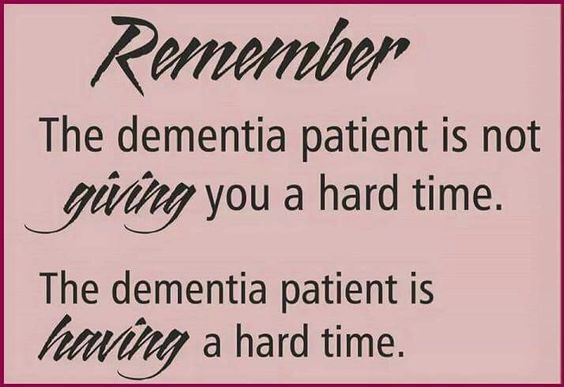
It’s not just those with schedules full of friends that are affected. My sister tells me, “You need a vacation ” – as she drops Mom off with me for the summer when she and her family take off for Europe. You see, I’m the single sister. The older single sister. Granted, Mom stays with my younger sister’s family most of the year. But I work most of the year. Now, instead of getting summer breaks, I’m Mom’s summer caretaker…until this fall, when Mom stayed with me while my sister was long-term ill. For the first time, I worked full time AND cared for Mom. Then we both got the flu. By Christmas, Mom was better, so my sister suddenly said, “Good! Mom can come back to my home.” Ironically, after I drove Mom back home, THEN I got well.
It happens to us single caregivers too.
Great article by Daniel Mann. So good to see some validation of the issues faced by so many carers as well as the practical suggestions re self-care and support.