Women & Memory
Women have long claimed that they can remember things better – and longer – than men. An important study sheds light on the matter. Learn how women’s memory performs at various stages of life.
Women have long claimed that they can remember things better – and longer – than men. An important study sheds light on the matter. Learn how women’s memory performs at various stages of life.

The alzheimersweekly.com Sleep Library has articles and videos to lower Alzheimer’s risk via better sleep habits. Check out these 5 tips to sleep better.

See the positive memory-impact of your caffeinated “morning routine”. Learn the real effects of coffee on the brain, from Johns Hopkins University.

Video: Learn how to use dance effectively in dementia. See how “Bolton Dementia’s Trinity Trotters” evolved their version of dance exercises.

Actress Julianne Moore talks about the dignity of women with Alzheimer’s, as her movie enables the public to see “first-hand” what it’s like to have early-onset Alzheimer’s. Watch.

FREE LBD BOOK, by America’s NIH. Insights into caregiving, movement, sleep & behavior. Often misdiagnosed as Alzheimer’s or Parkinson’s, 1 million Americans have Lewy Body dementia. Learn more about it.

SURVEY RESULTS: HAPPY MOTHER’S DAY USA – The right words can help us rise to dementia’s challenges. Relish these valuable pieces of wisdom, gathered from grandmothers and mothers across the country.

(VIDEO) BOOK-OF-THE-WEEK: Dr. Gayatri Devi, Neurologist at NY’s Lenox Hill Hospital, released “The Spectrum of Hope: An Optimistic and New Approach to Alzheimer’s Disease and Other Dementias.” It details a plan for people with Alzheimer’s to live more empowered and productive lives.

Triheptanoin is available as a supplement or by prescription. A series of studies suggest it improves brain energy metabolism for people with Huntington’s disease. Learn how.

VIDEO & TRANSCRIPT: Caregiving is loving, yet frustrations can trigger guilt. See Dr. Peter Rabins, author of the #1 dementia book “The 36 Hour Day,” share healthy ways to heal caregiver guilt.

FILM SHORT: Meet 6 people living fulfilling lives with dementia. This award-winning, true film explores the needs and feelings of real people with dementia.

UCLA CAREGIVER TRAINING VIDEO: Agitation and anxiety create resistance in people with Alzheimer’s and frustration for their caregivers. Learn techniques to solve and resolve these difficult moments.

WEATHER ALERT – 9 WAYS TO STAY SAFE WITH DEMENTIA: People can lose body heat fast. That’s called hypothermia. Big chills and Alzheimer’s are a dangerous combination. Learn 9 ways to stay safe in cold weather.

Three important dementia studies focus on HS-AGING, a type of dementia almost as common as Alzheimer’s in the 85+ group. Yet few people have heard of it. Why? What makes it different?
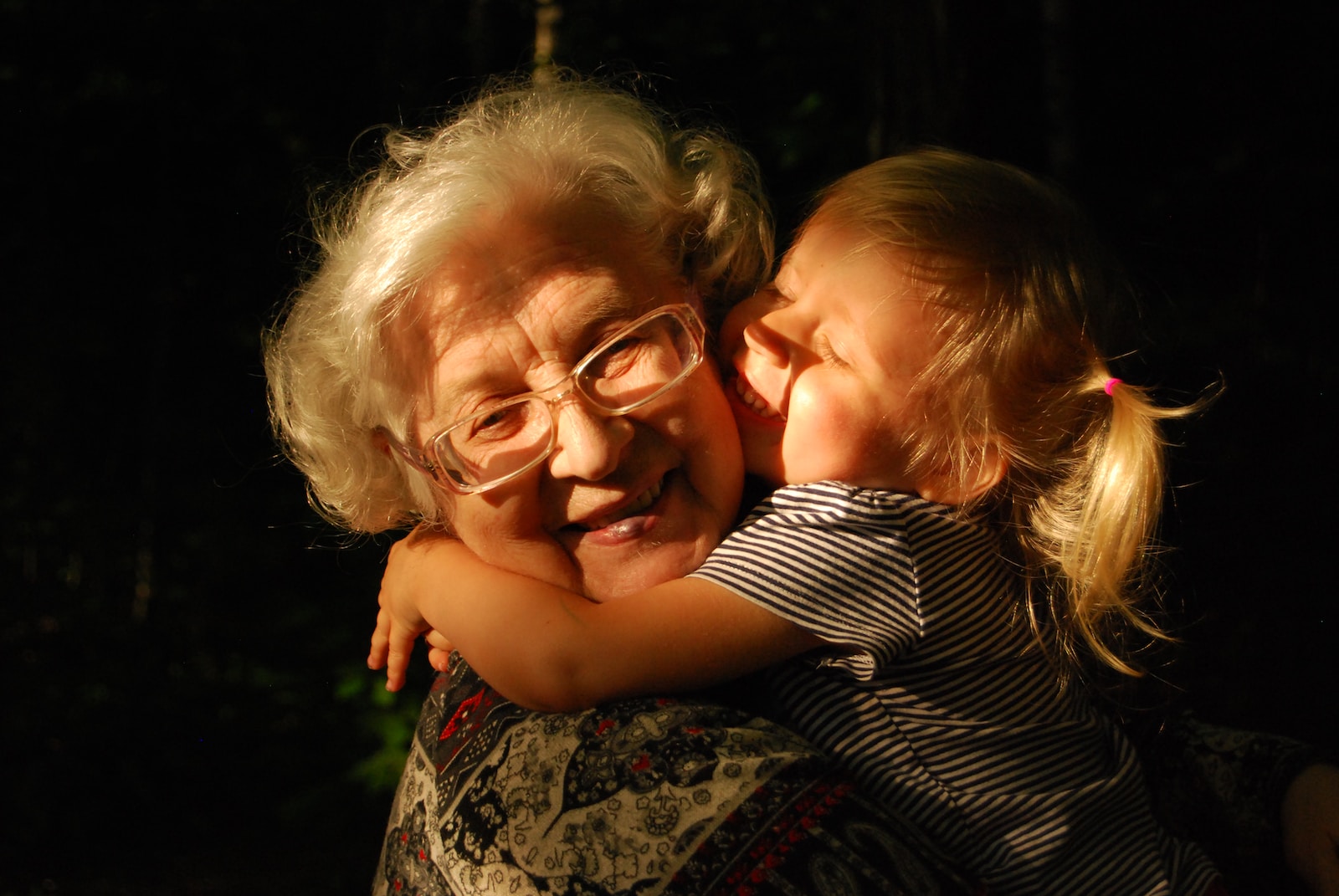
An intriguing study of 120 grandmothers might surprise you. Doctors know socially engaged people have better cognition and less dementia. But can a person get too much of a good thing? What’s the right balance?

Enjoy this great duet between a musician with dementia and his son. A triumph of spirit over Alzheimer’s! Sing-a-long if you like!

It looks like a sneeze cannot give anyone Alzheimer’s. While Alzheimer’s abnormal disease proteins do spread from cell-to-cell, they are not “infectious”. Check out the facts.