Agitation and Anxiety in Alzheimer’s
UCLA CAREGIVER TRAINING VIDEO: Agitation and anxiety create resistance in people with Alzheimer’s and frustration for their caregivers. Learn techniques to solve and resolve these difficult moments.
UCLA CAREGIVER TRAINING VIDEO: Agitation and anxiety create resistance in people with Alzheimer’s and frustration for their caregivers. Learn techniques to solve and resolve these difficult moments.

Leqembi and Kisunla are the new Alzheimer’s immunotherapies. A loss of brain volume associated with these immunotherapies may be caused by the removal of amyloid plaques, rather than the loss of neurons or brain tissue. A new study sheds light on what’s going on.

MAUDE’S AWARDS: RECOGNIZING INNOVATIONS IN DEMENTIA CARE
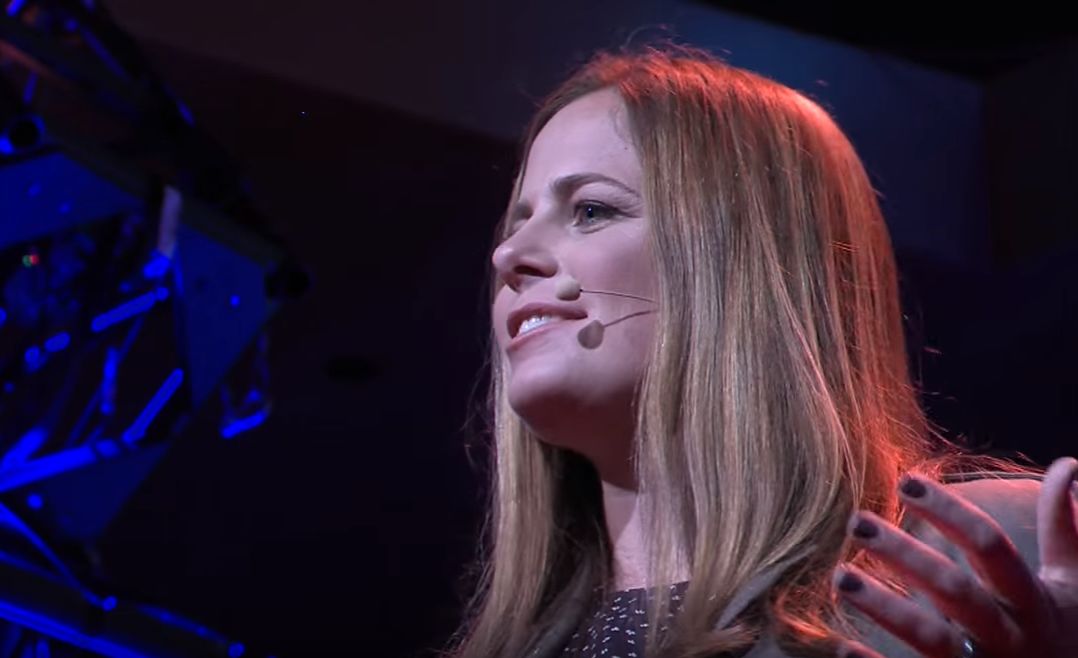
TEDx VIDEO: People with dementia and their care partners can experience joy, humor and connection. Since there’s no cure, the best solution is great care. See how to set a high bar with empathy, patience and fun.

DIET VIDEO + ARTICLE: People over 85, with a cholesterol increase, showed less decline in cognition and thinking. Is there a good age to stop our statins and change diets?

EMOTIONAL STATES of individuals with Alzheimer’s are profoundly influenced by caregivers. Learn how.
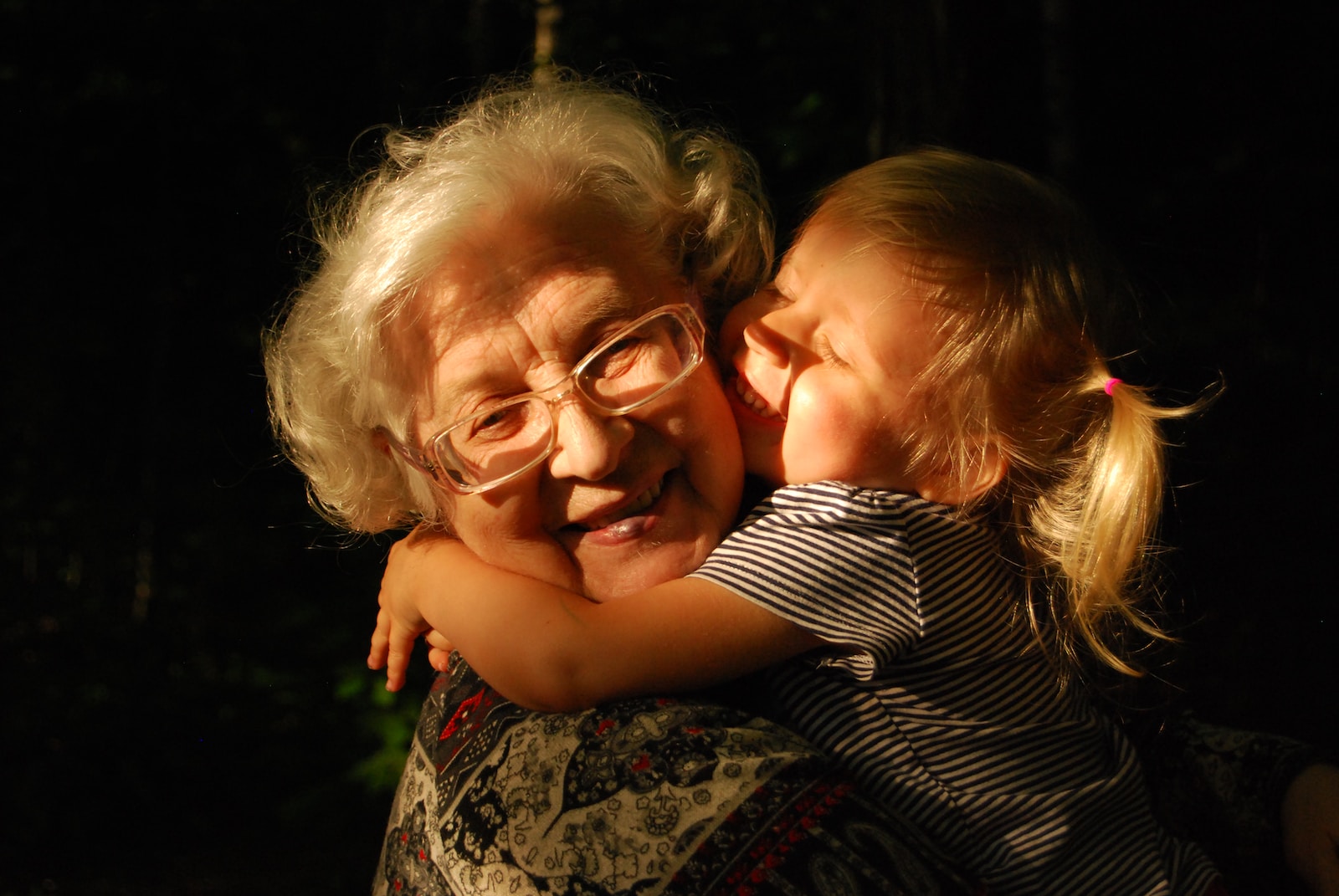
An intriguing study of 120 grandmothers might surprise you. Doctors know socially engaged people have better cognition and less dementia. But can a person get too much of a good thing? What’s the right balance?

Enjoy this great duet between a musician with dementia and his son. A triumph of spirit over Alzheimer’s! Sing-a-long if you like!

It looks like a sneeze cannot give anyone Alzheimer’s. While Alzheimer’s abnormal disease proteins do spread from cell-to-cell, they are not “infectious”. Check out the facts.

TEEPA CARE VIDEO: Learn about Alzheimer’s 6 stages. Teepa Snow shows what to expect, while keeping the focus on the person for whom you care.