Share This Page

Can the Smell of Rosemary Influence Memory?

Exploring evidence on rosemary and lavender scents and cognitive performance.
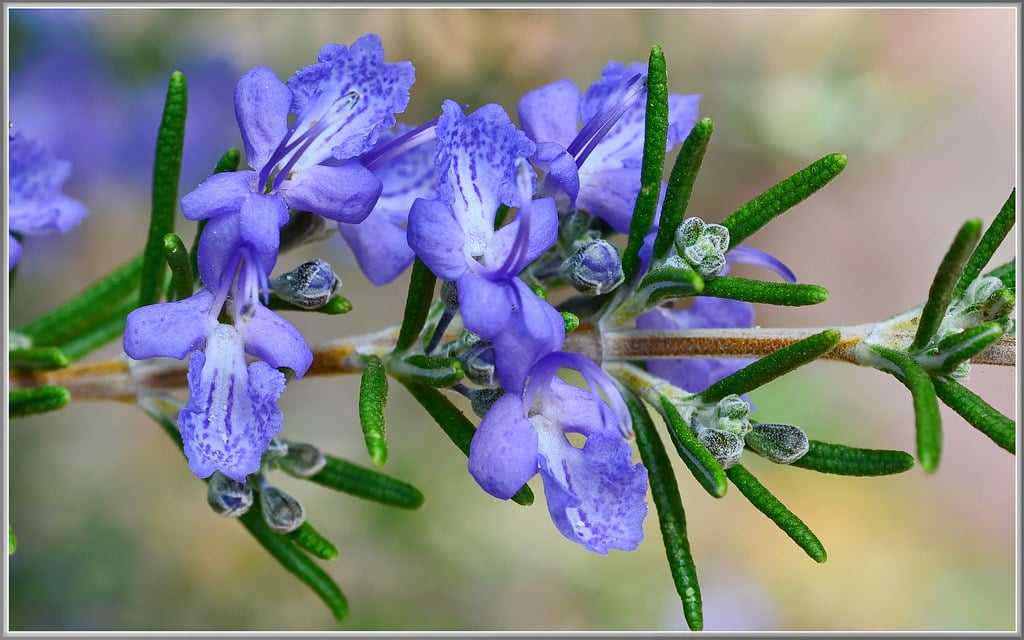
Rosemary Flowers

Why This Matters

Caring for someone living with Alzheimer’s disease or other dementias often leads families and professionals to explore therapies that might support cognition, mood, or quality of life for their loved ones. Among such options, aromatherapy is frequently discussed in caregiver communities and complementary care settings. (Article continued below video…)

Although not a dementia-specific study, research on how olfactory (smell) stimulation affects thinking and emotion can offer insight into mechanisms that might be relevant for people with cognitive impairment and the environments caregivers create to support them.

What the Study Tested

Researchers randomly assigned 144 healthy adult volunteers into three groups. Each group performed a standardized computerized cognitive test battery in a cubicle scented with:

  • rosemary essential oil
  • lavender essential oil
  • no odor (control)

Participants were unaware of the study’s true aim until after testing to reduce expectancy effects. Mood was assessed before and after testing using visual analog scales.

Key Findings for Cognitive Performance

  • Lavender aroma was associated with poorer performance on working memory tasks and slower reaction times on tests involving memory and attention, compared with the control condition.
  • Rosemary aroma produced better scores on measures of memory quality and “secondary memory” (recall of previously presented material) than the control group, but it also slowed speed of memory retrieval.
  • Mood ratings suggested people exposed to rosemary stayed more alert after testing, compared with participants in the control or lavender groups.

In short, different aromas appeared to produce distinct effects on cognition and mood in healthy adults. Rosemary showed some memory benefits but at a cost in processing speed, while lavender tended to impair working memory and attention in these conditions.

What This Means for Alzheimer’s and Dementia Care

This study does not directly involve people living with Alzheimer’s disease. Nevertheless, the findings contribute to a broader evidence base suggesting that olfactory stimulation interacts with cognitive processes. People with dementia often experience altered responses to sensory input — including smell — which can influence behavior, mood, and engagement.

Caregivers and professionals should interpret these results with care:

  1. Not all scents are equal. Different odors may have divergent effects on cognition and alertness. What enhances one cognitive domain might impair another.
  2. Individual responses vary. Sensory perception changes with age and disease; what is calming for one person may be confusing or aversive for another.
  3. Clinical context matters. Aromatherapy research in dementia populations has shown mixed but sometimes positive effects on agitation and behavior, but mechanisms and optimal protocols are still under study.

Practical Takeaways for Caregivers

  • Before introducing any scent-based intervention, observe the person’s reactions in small, controlled doses rather than assuming universal benefit.
  • Use scents that the individual personally associates with comfort or positive experience rather than relying solely on purported cognitive effects.
  • Aromatherapy should be complementary to — not a replacement for — evidence-based dementia care practices such as social engagement, structured activities, and environmental design.

What Needs More Research

  • Studies involving people living with Alzheimer’s disease and other dementias, rather than healthy volunteers.
  • Standardized protocols for type, duration, and dosing of aroma exposure.
  • Investigations into how olfactory stimulation interacts with behavioral symptoms, sleep, and emotional well-being in dementia care settings.

Rosemary Emulates Aricept & Donepezil

Rosemary Emulates Aricept & Donepezil

Rosemary naturally works like Aricept® (generic: donepezil), treating Alzheimer's by blocking AChE. Learn about rosemary's dementia-fighting benefits from Dr. J. Duke.
Rosemary's Carnosic Acid Offers a Potential Alzheimer's Treatment

Rosemary's Carnosic Acid Offers a Potential Alzheimer's Treatment

Rosemary & sage extracts inspire a potential anti-inflammatory drug for Alzheimer’s. Scripps Research created a stable form of carnosic acid,…
Daffodils Make Great Alzheimer's Drugs

Daffodils Make Great Alzheimer's Drugs

Nature provides some of the best therapies for Alzheimer's. Daffodils specifically from Wales are a big source of Galanthamine for…

Related:

Email me when people comment
Notify of
guest

0 Comments
Inline Feedbacks
View all comments
By:
Picture of Peter Berger

Peter Berger

With experience in dementia caregiving, public education, and Alzheimer’s-focused writing—and a professional research background shaped in what many consider one of the world’s top laboratories—I work to make complex findings clear, practical, and genuinely helpful for families and professionals providing care.

This site was inspired by my Mom’s autoimmune dementia.

It is a place where we separate out the wheat from the chafe, the important articles & videos from each week’s river of news. Google gets a new post on Alzheimer’s or dementia every 7 minutes. That can overwhelm anyone looking for help. This site filters out, focuses on and offers only the best information. it has helped hundreds of thousands of people since it debuted in 2007. Thanks to our many subscribers for your supportive feedback.

The site is dedicated to all those preserving the dignity of the community of people living with dementia.

Peter Berger, Editor

Share this page To

Dementia Books & Videos on Amazon:

More From Alzheimer's Weekly

Father and daughter with Spark Your Memories Photo Placemat
Activities

Foster Meaningful Connections This Father’s Day

Father’s Day is our special day to celebrate the fathers and grandfathers who are so dear to us. Memory placemats are a wonderful gift and a way for families and friends to spark memories and build connections and let those loved ones know how much they mean to us.

Read More »
Share to Facebook
Twitter
LinkedIn

Visit Alzheimer's Weekly On

Welcome

Alzheimer’s & Dementia Weekly was inspired by my mother’s journey with autoimmune dementia and my dad’s with Parkinson’s dementia.

Walking beside them opened my eyes to the confusion, the courage, and the deep humanity found in families and professionals caring for someone they love.

Since its debut in 2007, this site has had one clear mission:
to separate the wheat from the chaff — to highlight only the most essential articles, studies, tools, and videos from the overwhelming river of dementia-related information.
(At last count, Google receives a new post on Alzheimer’s or dementia every seven minutes.) For anyone seeking clarity or support, that constant flow can be exhausting and discouraging.

Alzheimer’s Weekly filters, translates, and explains what matters most, helping hundreds of thousands of families, clinicians, and care teams around the world make sense of the latest research and best practices.

This site is dedicated to everyone who works—often quietly and tirelessly—to preserve dignity in the community of people living with dementia.


About the Editor

With experience in dementia caregiving, public education, and Alzheimer’s-focused writing—and a professional research background shaped in what many consider one of the world’s top laboratories—I work to make complex findings clear, practical, and genuinely helpful for both families and professionals providing care.

My goal is simple:
Translate the best science into guidance that lightens the load, strengthens understanding, and helps every person with dementia live with dignity.

Peter Berger
Editor, Alzheimer’s Weekly
Free:
Alzheimer's & Dementia
Weekly Newsletter

INCLUDES BONUS BOOKLET:
15 Simple Things You Can Do to Care For a Loved One with Dementia or Memory Loss
News, Treatments, Care Tips, Diet, Research, Diagnosis, Therapies & Prevention
News to Get at the Truth

Subscribe To Our Weekly Newsletter

0
Would love your thoughts, please comment.x
()
x