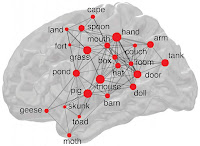
Can Memorable Words Test for Alzheimer’s?
MEMORY: A new computer-model reveals fascinating insights into why we remember some words more easily than others. Can NIH researchers further develop it into memory
MEMORY: A new computer-model reveals fascinating insights into why we remember some words more easily than others. Can NIH researchers further develop it into memory

MEDICATION PROGRESS – VIDEO & ARTICLE: Chinese researchers are now using seaweed sugar to tackle Alzheimer’s. Read on to learn how Oligomannate, the first treatment
DIAGNOSIS RESEARCH – VIDEO & ARTICLE: A simple experimental blood test reliably detects signs of brain damage in people on the path to developing Alzheimer’s

TEEPA SNOW VIDEO: People with dementia can say, do and act in the most frustrating ways. Learn why it happens the way it does, how to take it, and what to do about it.

DIAGNOSIS+CARE: Misperceptions in dementia often get misdiagnosed as hallucinations. The result? Harsh, mistaken antipsychotic treatments. Dr. G. Allen Power has fought over-medication for a decade. See practical techniques for rising above this dangerous practice.

Alice gives the Alzheimer’s speech of a lifetime, filled with sharing, hope and inspiration.

Three important dementia studies focus on HS-AGING, a type of dementia almost as common as Alzheimer’s in the 85+ group. Yet few people have heard of it. Why? What makes it different?
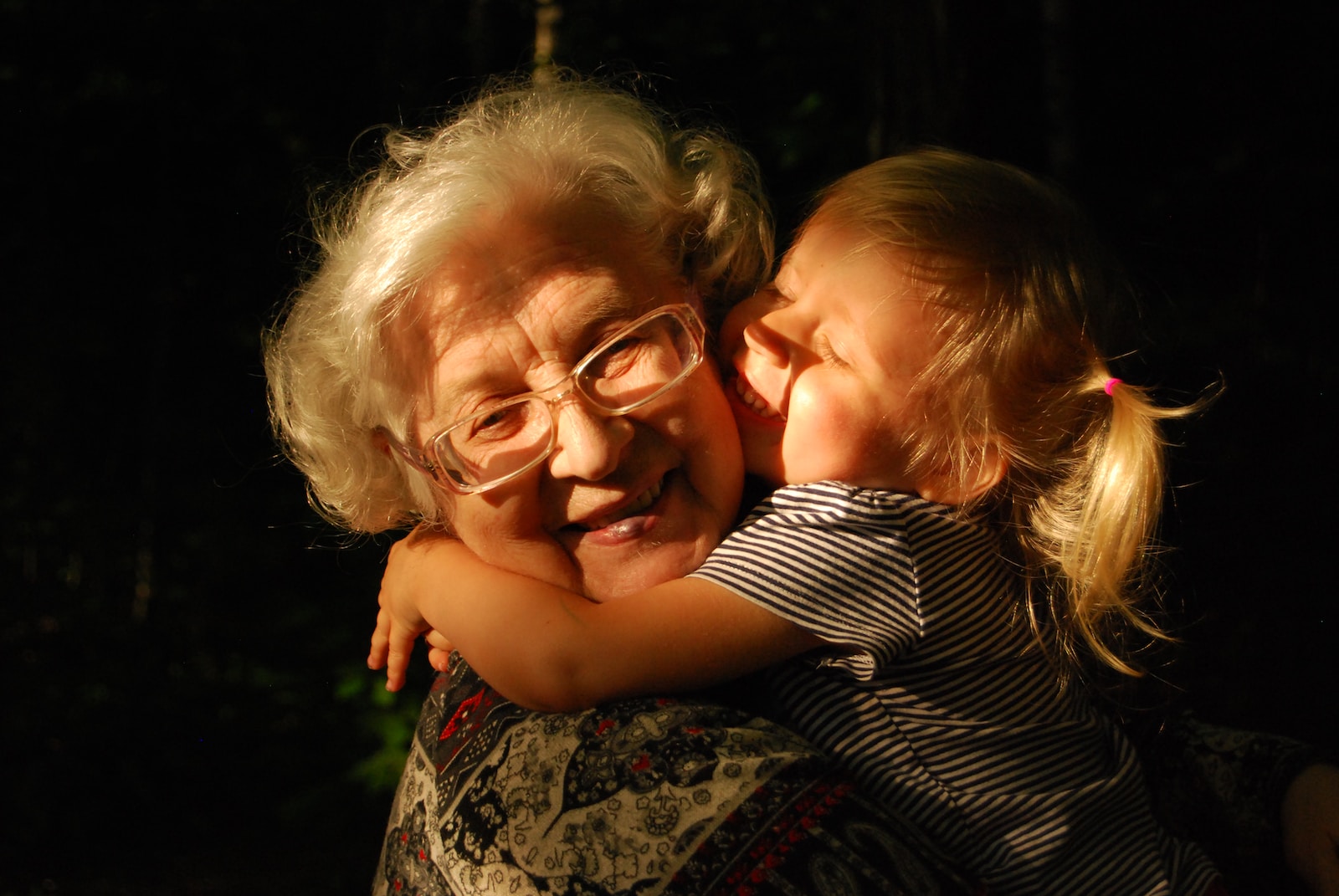
An intriguing study of 120 grandmothers might surprise you. Doctors know socially engaged people have better cognition and less dementia. But can a person get too much of a good thing? What’s the right balance?

Enjoy this great duet between a musician with dementia and his son. A triumph of spirit over Alzheimer’s! Sing-a-long if you like!
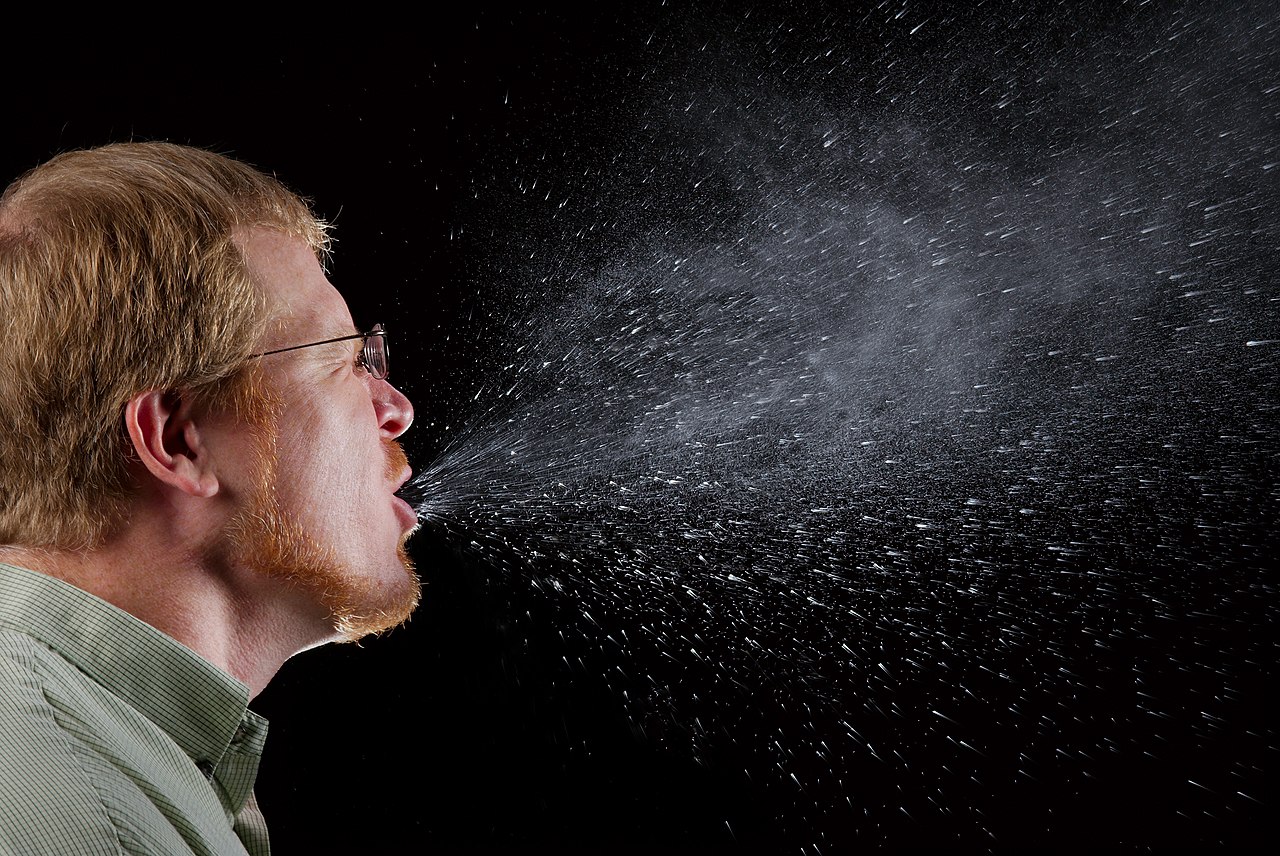
It looks like a sneeze cannot give anyone Alzheimer’s. While Alzheimer’s abnormal disease proteins do spread from cell-to-cell, they are not “infectious”. Check out the facts.