Don’t Be the 1 of 3 Who Didn’t Dial 911
Vascular dementia has struck a million Americans. It’s often caused by a stroke. Learn how easy it is to prevent a stroke when you know the signs and quickly call 911.
Vascular dementia has struck a million Americans. It’s often caused by a stroke. Learn how easy it is to prevent a stroke when you know the signs and quickly call 911.

TIPS, INFO + FREE HANDBOOK:
Caring for dementia can cause caregiver burnout, endangering both patient & caregiver. Learn 8 ways to prevent it and better care for yourself. Get a free NIH Caregiver Handbook (104 pages).

VIDEO & TRANSCRIPT: Caregiving is loving, yet frustrations can trigger guilt. See Dr. Peter Rabins, author of the #1 dementia book “The 36 Hour Day,” share healthy ways to heal caregiver guilt.

20 TIPS + NIH HOME SAFETY CHECKLIST FOR ALZHEIMER’S:
Here are 20 ways to make your home a safer place for a loved one with dementia.

VIDEO + ARTICLE: Lewy Body dementia is frequently mistaken for Alzheimer’s. That’s dangerous, as Lewy Body dementia requires different medications and unique caregiving techniques. Explore this common type of dementia.

Mothers’ Day in the USA is May 12. Going out? Preparing a meal at home? Keep these tips in mind when hosting Mom with Alzheimer’s.

TEEPA VIDEO: What do you do when someone with dementia insists on going home, again and again? Watch Teepa Snow do it with style, in yet another great care video.

A simple care tip from Dr. Neal Shah to measurably drop anxiety scores within 6 weeks.
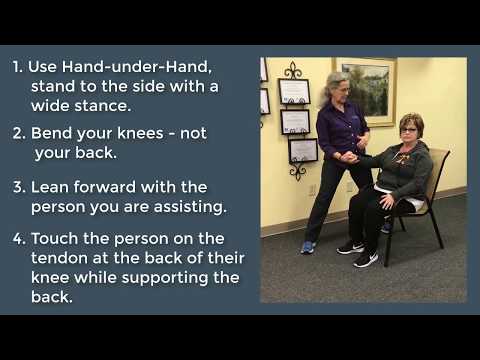
Teepa Snow: EMERGENCIES FROM FALLS increase 54% in dementia. Many happen while trying to sit down. Falls injure 1-in-3 seniors. See how to help them sit down safely.

A hospital’s Intensive Care Unit (ICU) can bring on Alzheimer’s-like symptoms in brain-healthy patients. See doctors discuss 4 ways to prevent this.

UNDERSTANDING DEMENTIA – VIDEO & TRANSCRIPT:
If you have been confused by the terms “dementia” and “Alzheimer’s”, or mistakenly thought that they were the same thing, watch this film. Knowing the difference can be essential.

EYE-OPENING TEEPA-CARE VIDEO:
Teepa Snow shows how to “say it right” – and not dish out upsetting words – to people with dementia. Get great tips from a well-known expert in this brilliant presentation.

MEDICATION VIDEO + ARTICLE: From allergies to moods, most of us get relief from drugs known as “anticholinergics”. Some raise dementia risk, some don’t. Do we always need them? A study of 300,000 people offers answers to help you and your doctor better weigh the risks and benefits.

Three important dementia studies focus on HS-AGING, a type of dementia almost as common as Alzheimer’s in the 85+ group. Yet few people have heard of it. Why? What makes it different?
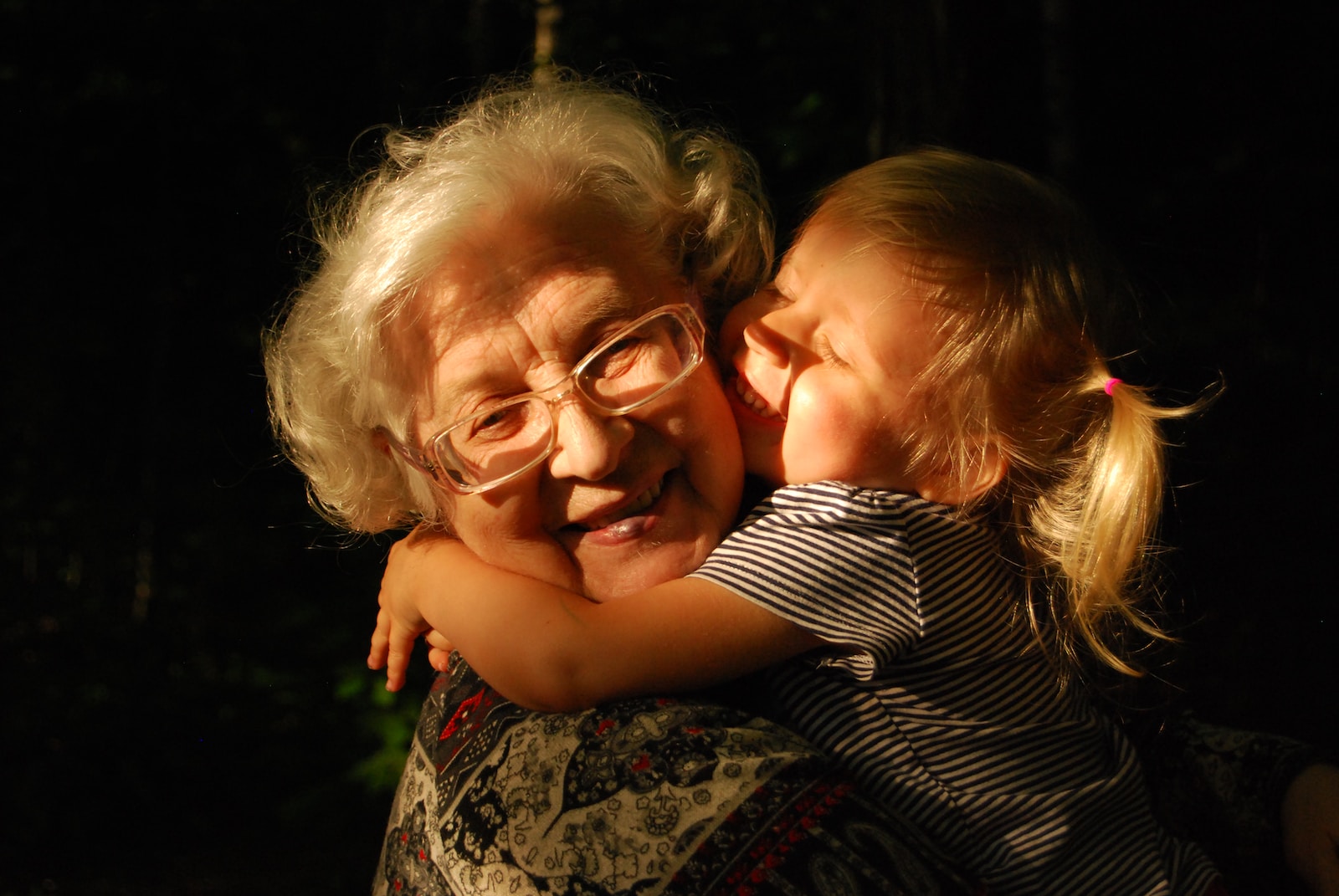
An intriguing study of 120 grandmothers might surprise you. Doctors know socially engaged people have better cognition and less dementia. But can a person get too much of a good thing? What’s the right balance?
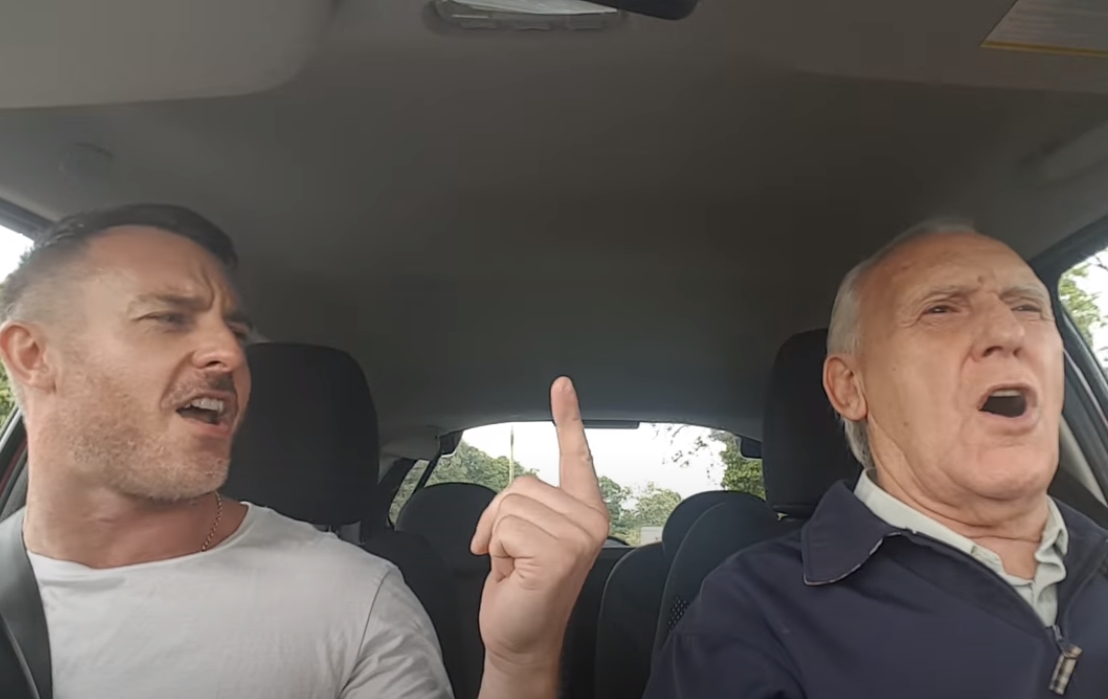
Enjoy this great duet between a musician with dementia and his son. A triumph of spirit over Alzheimer’s! Sing-a-long if you like!

It looks like a sneeze cannot give anyone Alzheimer’s. While Alzheimer’s abnormal disease proteins do spread from cell-to-cell, they are not “infectious”. Check out the facts.