How to Handle Frustrating People with Dementia
TEEPA SNOW VIDEO: People with dementia can say, do and act in the most frustrating ways. Learn why it happens the way it does, how to take it, and what to do about it.
TEEPA SNOW VIDEO: People with dementia can say, do and act in the most frustrating ways. Learn why it happens the way it does, how to take it, and what to do about it.

DIAGNOSIS+CARE: Misperceptions in dementia often get misdiagnosed as hallucinations. The result? Harsh, mistaken antipsychotic treatments. Dr. G. Allen Power has fought over-medication for a decade. See practical techniques for rising above this dangerous practice.

TEEPA CARE VIDEO:
Teepa Snow explains what to expect as dementia takes over the brain. Learn how our fascinating brains work and affect our behavior.

Mid-to-Advanced Dementia diminishes communication and language. Watch Teepa Snow convey how to use rhythm, music and movement when language fails.

“SANDWICH GENERATION CAREGIVERS” live sandwiched between their kids and their Alzheimer’s parent. All the new activity can add to an already hectic schedule. 5 tips can help keep the balance.

At this time of year, it’s healthy to get some air and sunshine. It’s especially good for those with dementia.

FREE BOOKLETS & CARE TIPS:
Long-distance dementia-caregiving has unique stresses. Learn what to do and how to help. Get free booklets on coping and succeeding.

Vascular dementia has struck a million Americans. It’s often caused by a stroke. Learn how easy it is to prevent a stroke when you know the signs and quickly call 911.

TIPS, INFO + FREE HANDBOOK:
Caring for dementia can cause caregiver burnout, endangering both patient & caregiver. Learn 8 ways to prevent it and better care for yourself. Get a free NIH Caregiver Handbook (104 pages).

VIDEO & TRANSCRIPT: Caregiving is loving, yet frustrations can trigger guilt. See Dr. Peter Rabins, author of the #1 dementia book “The 36 Hour Day,” share healthy ways to heal caregiver guilt.

See Dr. Geoffrey Kerchner, Memory Disorders Specialist at California’s Memory Disorders Center, answer important questions for people who have, or may have, Alzheimer’s.

What is vascular dementia, the second most common of the dementias? What causes it? Can it be prevented or cured?

VIDEO: Kate Swaffer had to leave her job after she was diagnosed with dementia at the age of 49. See why she co-founded Dementia Awareness International, which is now giving a powerful voice to people with Dementia.

Three important dementia studies focus on HS-AGING, a type of dementia almost as common as Alzheimer’s in the 85+ group. Yet few people have heard of it. Why? What makes it different?
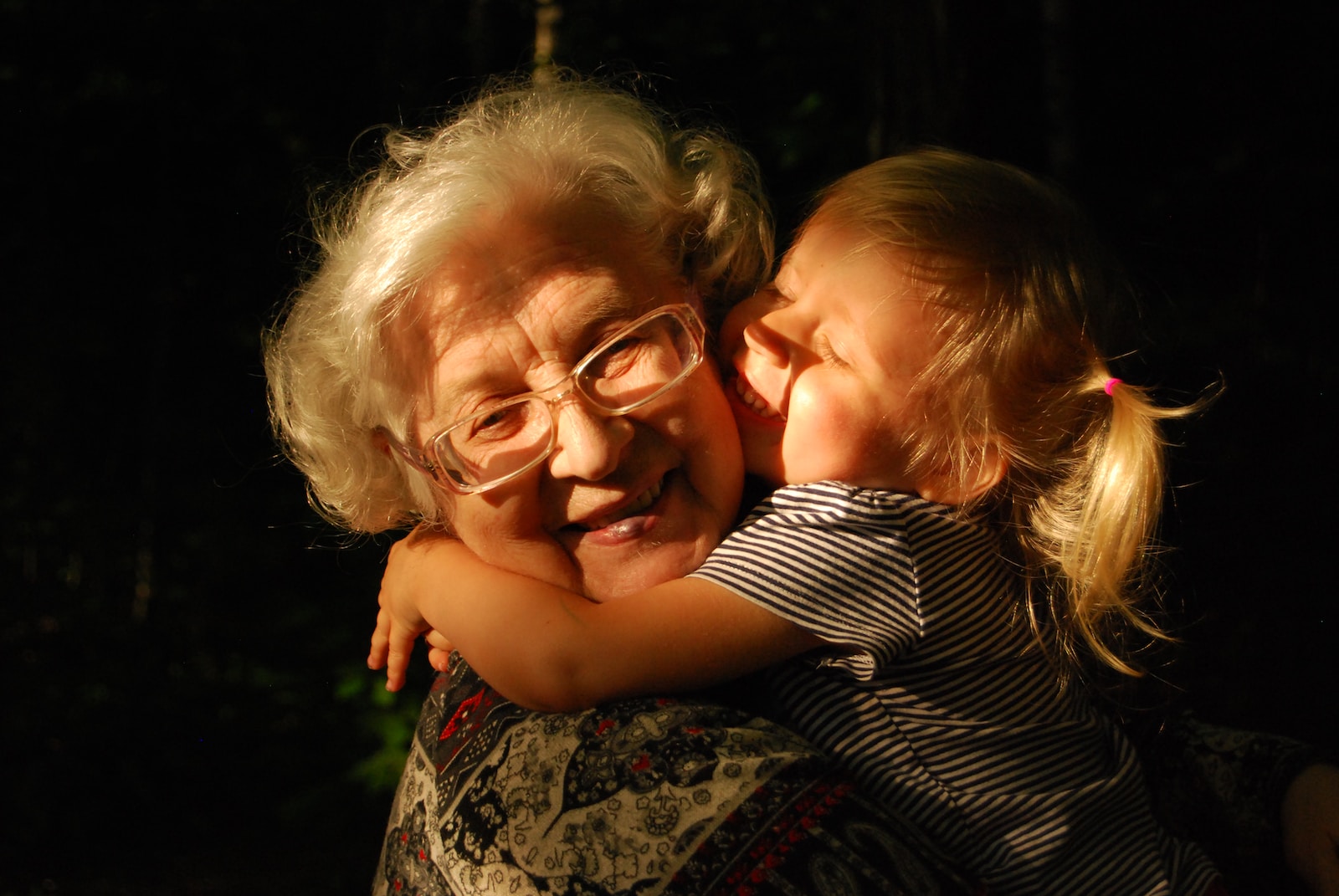
An intriguing study of 120 grandmothers might surprise you. Doctors know socially engaged people have better cognition and less dementia. But can a person get too much of a good thing? What’s the right balance?

Enjoy this great duet between a musician with dementia and his son. A triumph of spirit over Alzheimer’s! Sing-a-long if you like!

It looks like a sneeze cannot give anyone Alzheimer’s. While Alzheimer’s abnormal disease proteins do spread from cell-to-cell, they are not “infectious”. Check out the facts.