Bruce Willis and Frontotemporal Dementia
Diane Sawyer sat down with Emma Heming Willis and Neurologist Dr. Bruce Miller to talk about Bruce Willis’ health. (11 minute video)
Diane Sawyer sat down with Emma Heming Willis and Neurologist Dr. Bruce Miller to talk about Bruce Willis’ health. (11 minute video)
This “Overview for Med Students” sums up 5 common types of dementia: Alzheimer’s, Parkinson’s, Lewy body, vascular and frontotemporal dementia. Watch now.

Two wives caring for their husbands with dementia generously share their experiences and offer caregiving tips to those find themselves in a similar position with a loved one.

Frontotemporal Dementia, FTD, is the most common form of dementia in people under age 60. Why isn’t it better known?

ARTICLE ON TRACERS + VIDEO ON TAU 2 new PET tracers promise to change the face of diagnosing and researching dementias such as Alzheimer’s. Learn how

Can new MRI technology effectively & non-invasively diagnose the type of dementia that is afflicting a person?
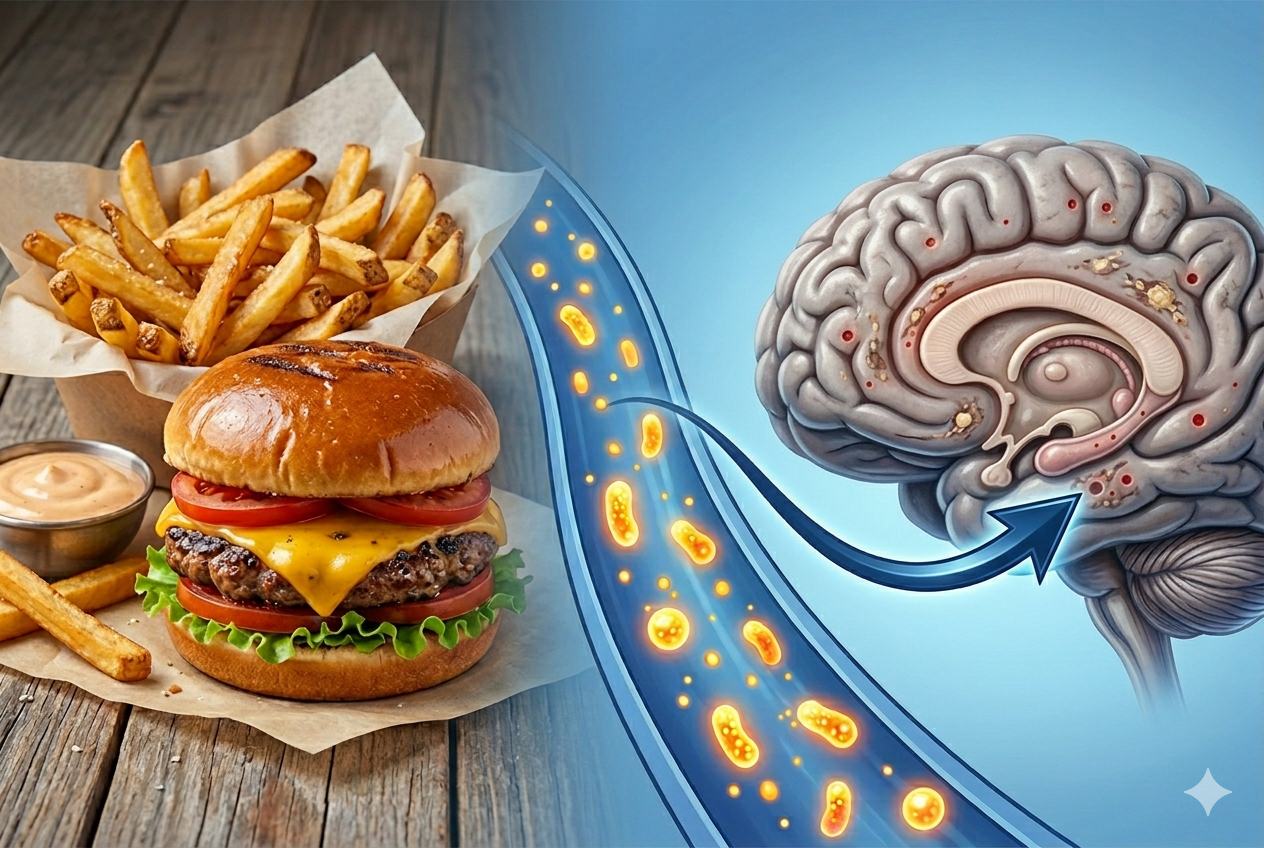
After fatty meals, certain toxins spike in the bloodstream—and have been found inside the amyloid plaques that drive Alzheimer’s. Learn how to eat better.

Melvyn Amrine may not have remembered the details of his life since his Alzheimer’s diagnosis, but he sure proved that his love for his wife transcended memory.

Could Leqembi be given faster and more easily in the future? The new Biogen–Alteogen deal suggests it’s possible—but it doesn’t confirm changes to Leqembi. Here’s what professionals and families should understand.
Melvyn Amrine may not have remembered the details of his life since his Alzheimer’s diagnosis, but he sure proved that his love for his wife transcended memory.

A daily cup of tea — and other delicious options — could help you to enjoy better health late in life. Read on to learn more.

Research shows that a blood test now on the market accurately identifies brain amyloid status with a single blood sample. In other words, this blood test can diagnose Alzheimer’s.

Is keeping seated and sedentary, while intellectually stimulated, part of the best way to care for your brain?