Barbara Will Change Your Attitude to Dementia
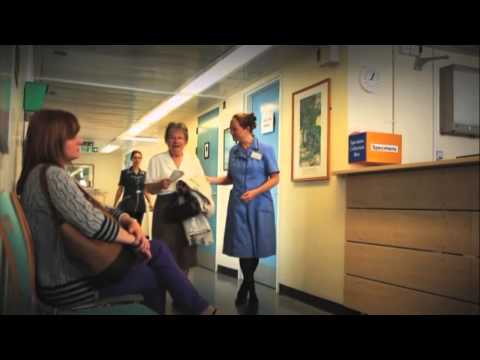
FILM: “BARBARA” is a highly successful British film on dementia. It improves relationships between people with dementia, caregivers, doctors & nurses. “Barbara” is a must-see.
FILM: “BARBARA” is a highly successful British film on dementia. It improves relationships between people with dementia, caregivers, doctors & nurses. “Barbara” is a must-see.

A hospital’s Intensive Care Unit (ICU) can bring on Alzheimer’s-like symptoms in brain-healthy patients. See doctors discuss 4 ways to prevent this.
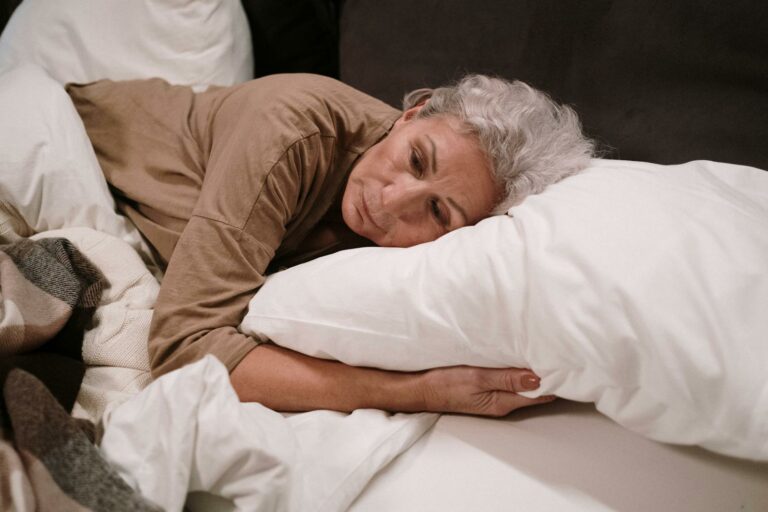
PROTECTING OUR ELDERS: Many people with dementia are victims of elder abuse. Abuse happens at home and in assisted living facilities or nursing homes. Learn the signs. Find out how to help.

Hospital stays with dementia should focus on elder safety. See a special ER for seniors, equipped with brilliant features that speed comfort and care to this population.

EMERGENCY BAG CHECKLIST: People with Alzheimer’s need to be prepared for an emergency. Simple planning now will make future hospital trips a lot less stressful.
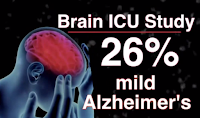
VIDEO + ARTICLE: Anesthesia appears to lead to faster deterioration of cognition, function and brain volumes in women than in men. Understand anesthesia’s dementia-like effects

EYE-OPENING TEEPA-CARE VIDEO:
Teepa Snow shows how to “say it right” – and not dish out upsetting words – to people with dementia. Get great tips from a well-known expert in this brilliant presentation.

MEDICATION VIDEO + ARTICLE: From allergies to moods, most of us get relief from drugs known as “anticholinergics”. Some raise dementia risk, some don’t. Do we always need them? A study of 300,000 people offers answers to help you and your doctor better weigh the risks and benefits.

Nature provides some of the best therapies for Alzheimer’s. Daffodils specifically from Wales are a big source of Galanthamine for Alzheimer’s. Rosemary competes head-on with the Alzheimer’s drug donepezil. Learn more about these natural sources.

Three important dementia studies focus on HS-AGING, a type of dementia almost as common as Alzheimer’s in the 85+ group. Yet few people have heard of it. Why? What makes it different?
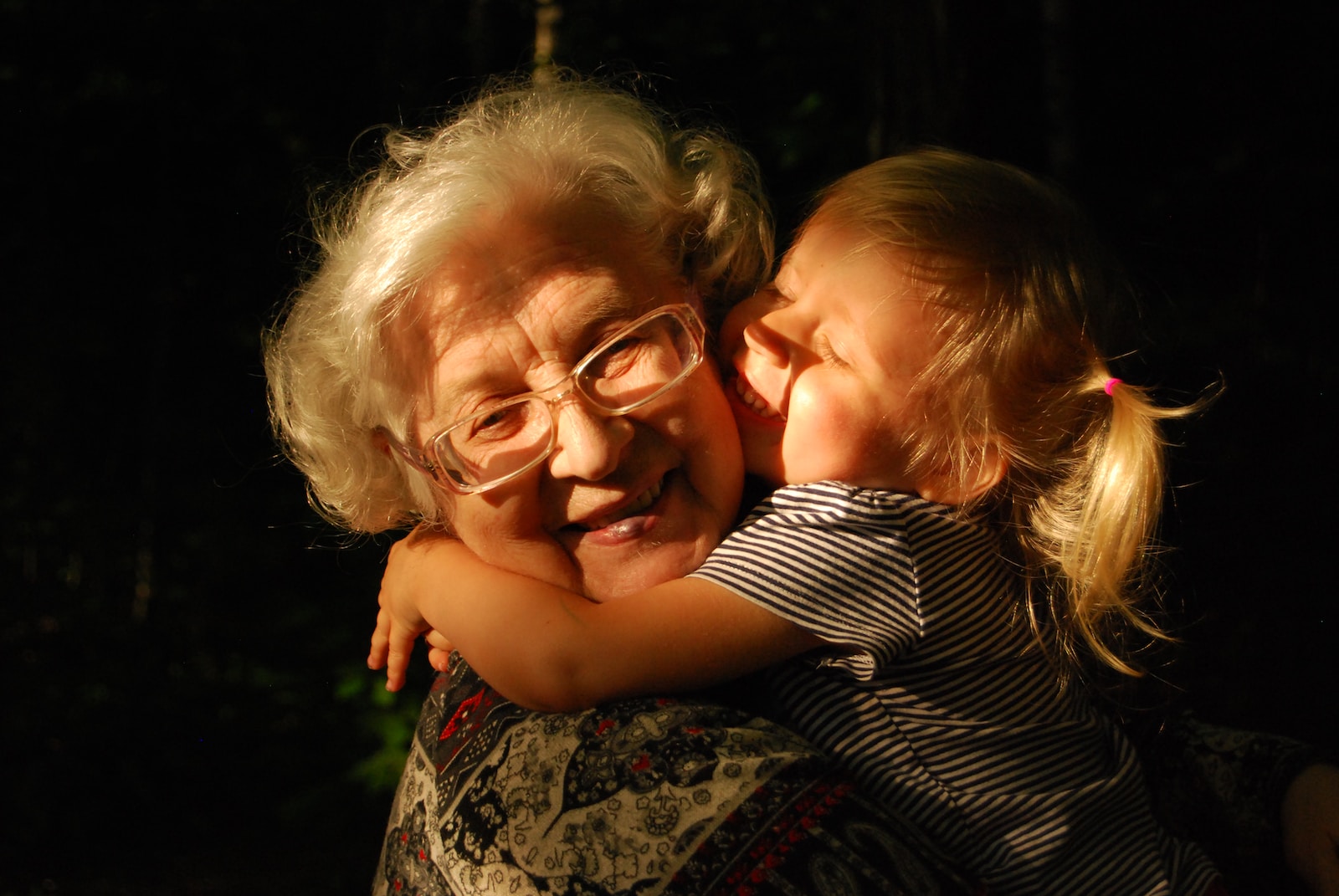
An intriguing study of 120 grandmothers might surprise you. Doctors know socially engaged people have better cognition and less dementia. But can a person get too much of a good thing? What’s the right balance?

Enjoy this great duet between a musician with dementia and his son. A triumph of spirit over Alzheimer’s! Sing-a-long if you like!

It looks like a sneeze cannot give anyone Alzheimer’s. While Alzheimer’s abnormal disease proteins do spread from cell-to-cell, they are not “infectious”. Check out the facts.