How Alzheimer’s Genes Jam Up Brain Cleanings by Immune Cells
Genes PROGRESS NEWS: The most prevalent genetic risk factor of Alzheimer’s is apolipoprotein E4 (APOE4). How does this gene do its damage? A new study
Genes PROGRESS NEWS: The most prevalent genetic risk factor of Alzheimer’s is apolipoprotein E4 (APOE4). How does this gene do its damage? A new study

VIDEO + ARTICLE: It happens unexpectedly: a person unable to recall their past or even recognize loved ones, will suddenly wake up and exhibit surprisingly

NEWS VIDEO + ARTICLE: A HIGH-SALT-DIET impaired blood flow in the brain, causing dementia-like symptoms in the lab. Can lowering the ingestion of added-salt improve
RESEARCH VIDEO + ARTICLE: Amyloid beta proteins can take on different formations when they group together, cauing neronal cell damage and inflamation. But it’s only

HOW QUICKLY your pupil dilates during cognitive tests can offer a low-cost, low-invasive screen for Alzheimer’s — even before the earliest signs. Learn how it

VIDEO + ARTICLE: Sleep is super important for the brain, but researchers have also discovered that blood flow in the brain capillaries is increased during

SLEEP VIDEO + ARTICLE: A good night’s sleep is known to clear the brain of the day’s waste. A revealing study shows how one night

PREVENTION VIDEO + ARTICLE: A mutation called APOE3 Christchurch has spared critical brain regions from the tau pathology in a woman with a family history
People buy supplements or do puzzles in hopes of protecting brain health. While they mean well, they may be ignoring solid research and missing out

PREVENTION VIDEO + ARTICLE: Reading a book, doing yoga and spending time with friends or family could help lower the risk of dementia. Find out
In a one-hour seminar, a leading neurologist answers the most important questions families ask about what these new therapies can realistically deliver — from effectiveness and safety to eligibility, infusion logistics, cost, and access.

Here’s a good activity caregivers can use easily, contributed by one of our readers. It’s a simple game, great in mid-stage Alzheimer’s.

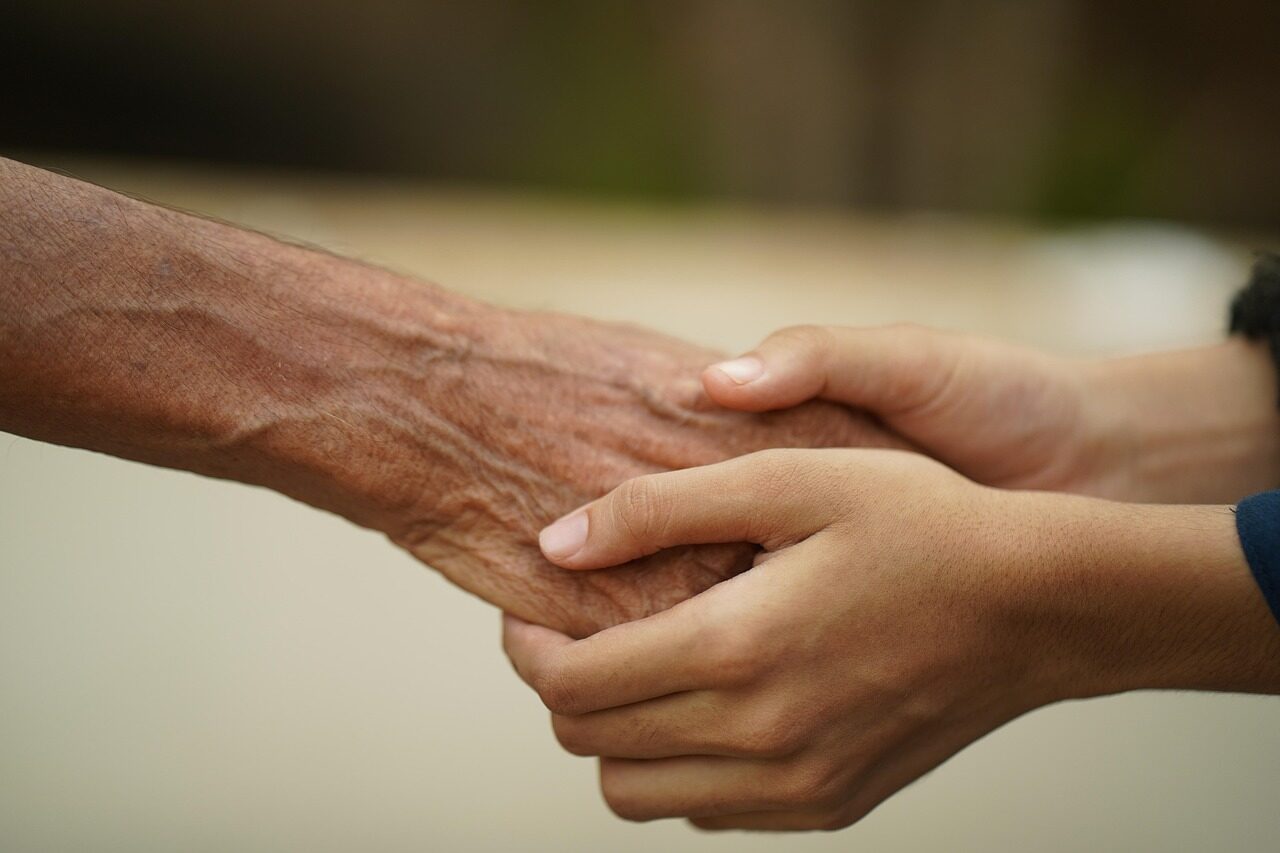
Ah, how good it feels. . . The hand of an old friend. (See pillows, posters, cards, etc.) 101003 (560×373)
In a study on health & cynicism, people were asked how much they agree with statements such as, “I think most people would lie to get ahead,” and “It is safer to trust nobody”. The clear connection between their answers and their risk of dementia may startle you.

Lewis Hornby had a problem: his grandmother with dementia wasn’t drinking enough, causing her to get severely dehydrated.

Dr. Richard Taylor has Alzheimer’s and the right attitude!
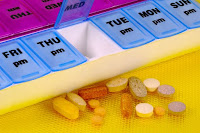
Swedish researchers find that cholinesterase inhibitors provide cognitive benefits and reduce mortality for up to five years after an Alzheimer’s diagnosis. One medication significantly reduced the risk of developing severe dementia.