Amazonian Groups Are Virtually Alzheimer’s-Free
VIDEO + ARTICLE: The world’s lowest rates of dementia are found in Amazonian indigenous groups. Now there’s more evidence their lifestyles may hold clues to preventing Alzheimer’s. Learn more.
VIDEO + ARTICLE: The world’s lowest rates of dementia are found in Amazonian indigenous groups. Now there’s more evidence their lifestyles may hold clues to preventing Alzheimer’s. Learn more.

Triheptanoin is available as a supplement or by prescription. A series of studies suggest it improves brain energy metabolism for people with Huntington’s disease. Learn how.

SUGAR raises diabetes AND dementia risk. Will research into the hormone “amylin” reveal the reason why?

VIDEO + ARTICLE: Rudolph Tanzi and Doo Yeon Kim have invented a revolutionary new tool to uncover the mysteries to finding an Alzheimer’s cure and counter the coming epidemic of dementia.
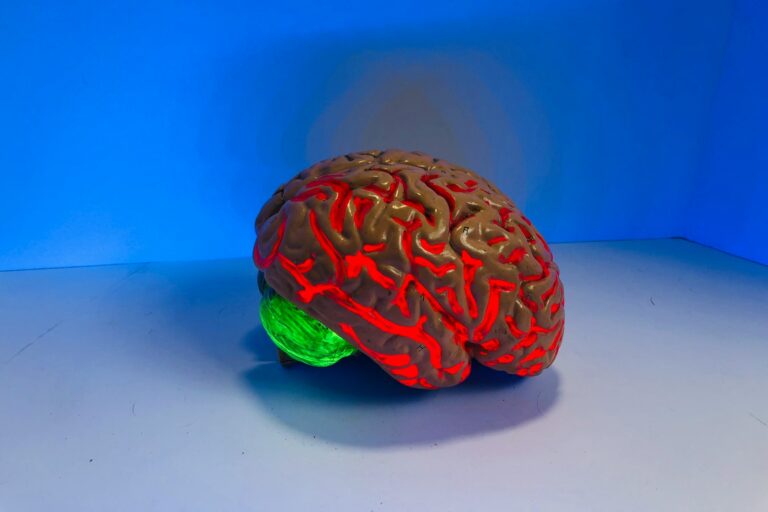
Researchers found the walls of the brain’s small arteries are also affected in Alzheimer’s, reducing blood flow. Learn about this new treatment target.

VIDEO+ARTICLE: Kenneth S. Kosik traced an Alzheimer’s gene mutation to a 16th century founder. See him solve this puzzle of the past and show why this can help the future.

“It is exciting to see efficacy of potential new drugs for Dementia with Lewy Bodies, the most common dementia after Alzheimer’s. It is a huge area of unmet need,” said Dr. Marwan Sabbagh.

CLR01, a “molecular tweezer”, keeps brain proteins from the clumping, or aggregating, that causes Alzheimer’s, Parkinson’s and Huntington’s dementia. Find out why CLR01 has strong potential as a new treatment.

It looks like a sneeze cannot give anyone Alzheimer’s. While Alzheimer’s abnormal disease proteins do spread from cell-to-cell, they are not “infectious”. Check out the facts.

Is keeping seated and sedentary, while intellectually stimulated, part of the best way to care for your brain?
DIAGNOSIS VIDEO: TEEPA SNOW explores the challenge of getting a good diagnosis in today’s medical system. See her explain differences between Alzheimer’s and other dementias. Learn how to prepare for a brain health checkup.
VIDEO + ARTICLE: 40,000 people around the world participated in Western University’s sleep and brain health study. See Neuroscientists use cognitive performance activities to revealed surprising insights. Get 6 sleep tips.

ARTICLE + VIDEO INFOMMERCIAL: Namazaric for dementia comes in a convenient, extended-release capsule. It conveniently combines today’s 2 most popular drugs for Alzheimer’s. Learn about easy-to-manage Namazaric.

Three important dementia studies focus on HS-AGING, a type of dementia almost as common as Alzheimer’s in the 85+ group. Yet few people have heard of it. Why? What makes it different?
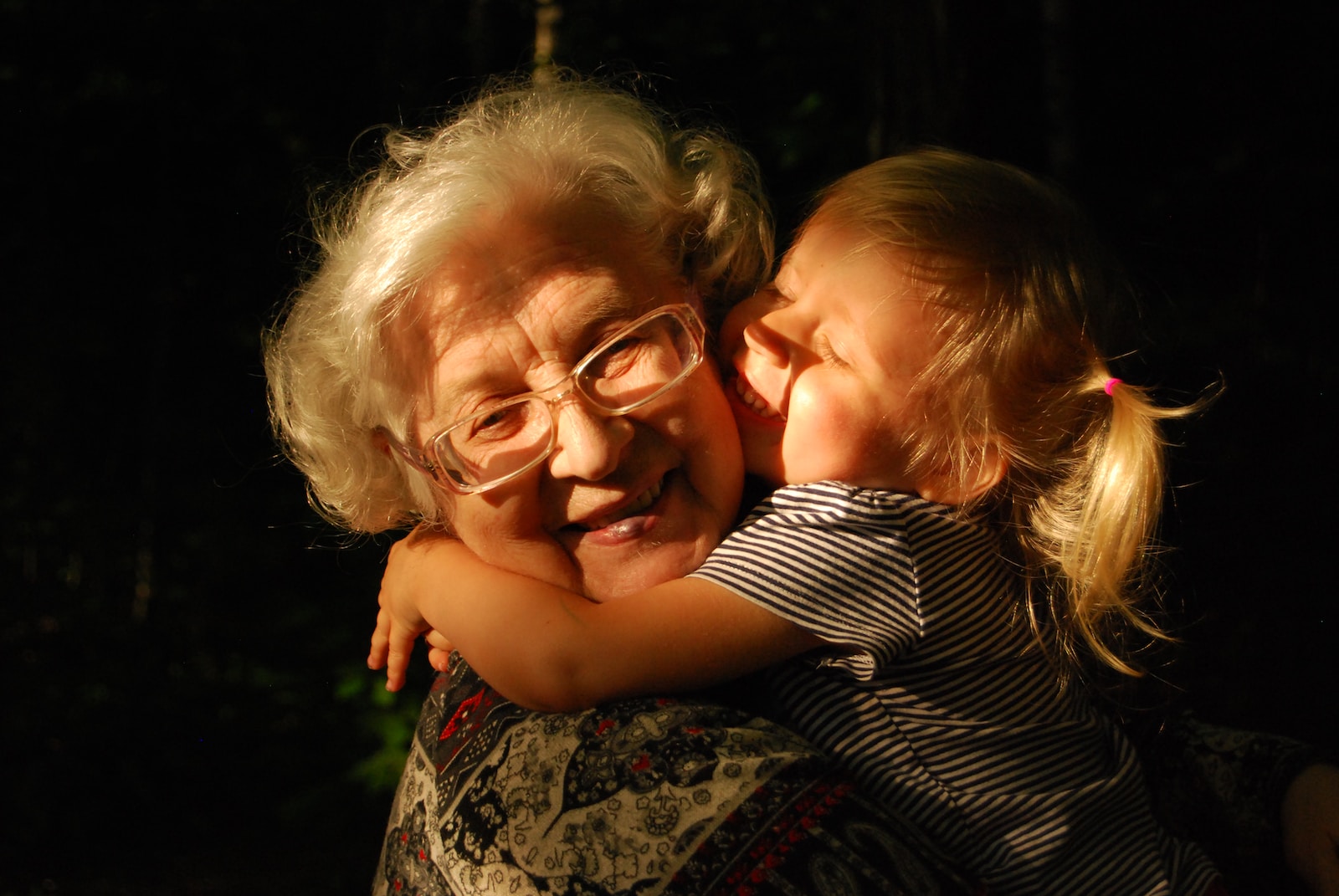
An intriguing study of 120 grandmothers might surprise you. Doctors know socially engaged people have better cognition and less dementia. But can a person get too much of a good thing? What’s the right balance?

Enjoy this great duet between a musician with dementia and his son. A triumph of spirit over Alzheimer’s! Sing-a-long if you like!
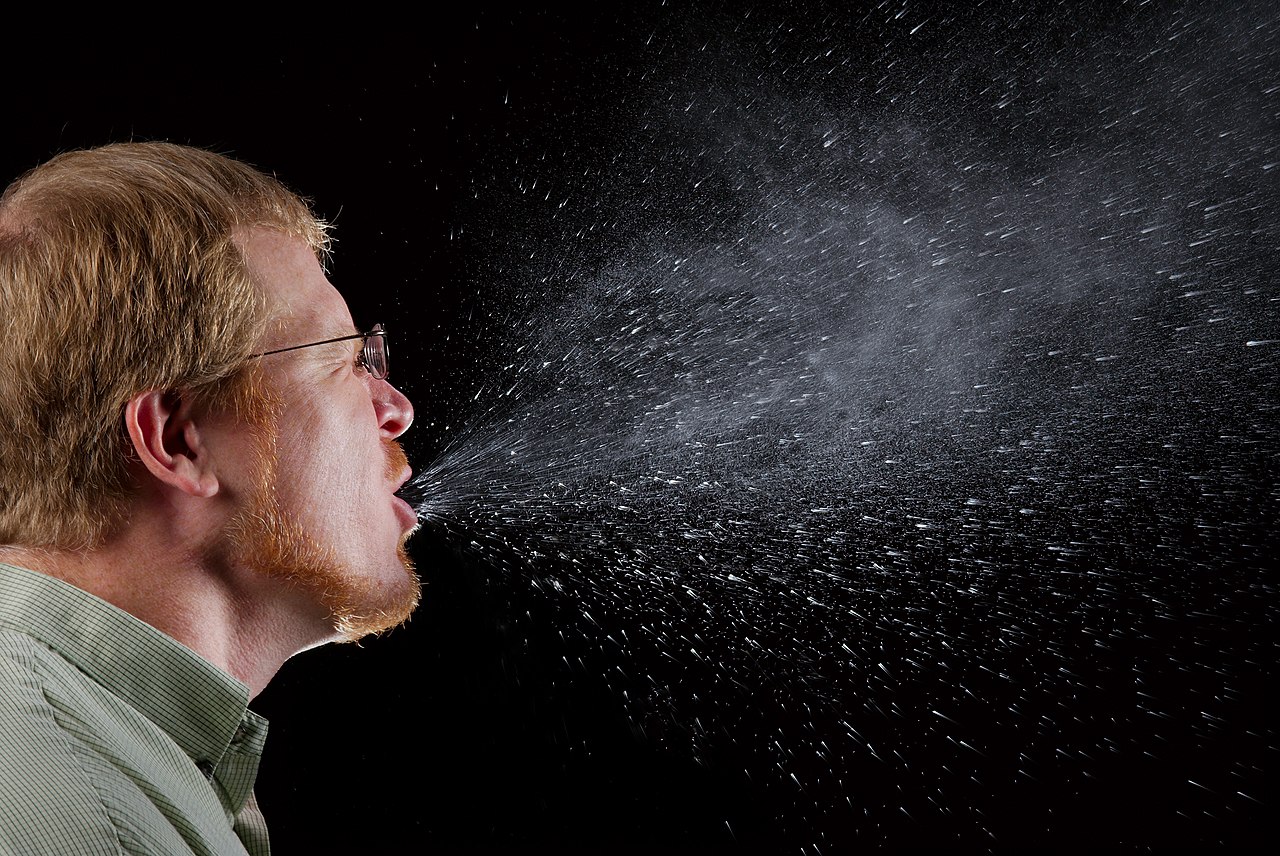
It looks like a sneeze cannot give anyone Alzheimer’s. While Alzheimer’s abnormal disease proteins do spread from cell-to-cell, they are not “infectious”. Check out the facts.