Pimavaserin May Solve The Problem of Antipsychotics in Dementia
The off-label use of current antipsychotic medications for dementia is linked to increased mortality, serious adverse events, and cognitive decline. Learn how the pimavanserin trial
The off-label use of current antipsychotic medications for dementia is linked to increased mortality, serious adverse events, and cognitive decline. Learn how the pimavanserin trial
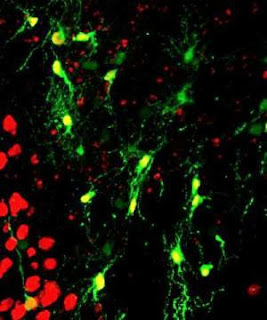
Penn State’s Professor Chen has developed an innovative model of regenerating neurons in Alzheimer’s. Learn how Dr. Chen hopes to develop this further in the
A proven approach to slow the aging process and associated diseases is dietary restriction. New research helps explain the action of a drug that appears

RESEARCH VIDEO See how the U.S. government’s NIH sets the pace of America’s dementia research. Learn about their strategies, agendas and the initiatives they empower.

Research has shown that the Parkinson’s drug, rasagiline, could be a viable therapeutic option for people with Alzheimer’s disease. Learn about the new effort to
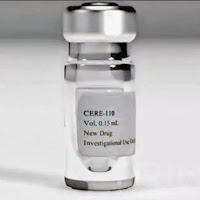
VIDEO + ARTICLE CERE-110 is a big step forward for Alzheimer’s clinical trials. It induces brain cells to make their own nerve-growth-factor, so they can

VIDEO & ARTICLE: See how doctors implant a deep-brain-stimulation device in “The Advance Study”. Learn how its electrodes stimulate a part of the brain called

Alzheimer’s is the most common type of dementia, but there are many others. Should Gulf War Illness, which effects over 250,000 troops deployed in the
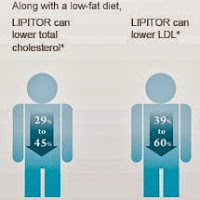
Top experts at world-renowned Johns Hopkins Medicine did a systematic review of existing statin studies. Unlike the FDA, they found no connection between short-term statin
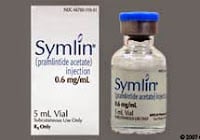
Pramlintide (known by the brand name Symlin®, an FDA-approved diabetic drug) reduces Alzheimer’s amyloid-beta peptides in the lab. Learn how it improves learning and memory.

The real lessons in lifeAre not found in the victory,But in the struggle. (See Amazon Merch)

FUNNY VIDEO – HAPPY THANKSGIVING: Mary Maxwell, a diminutive “little old lady,” shines a very funny light on the foibles of aging, to the delight of an audience filled with senior-care experts.

A simple, must-know legal checklist to help families stay protected, prepared, and supported when Alzheimer’s becomes part of life.

A diet that combines unsaturated fats with nitrite-rich vegetables, such as olive oil and lettuce, can protect you from hypertension and vascular dementia.

Most of the time, it takes a combination of genetics, bad environment and unhealthy lifestyle to trigger Alzheimer’s. However, one gene called apolipoprotein E (APOE) can make a big difference.
In a study on health & cynicism, people were asked how much they agree with statements such as, “I think most people would lie to get ahead,” and “It is safer to trust nobody”. The clear connection between their answers and their risk of dementia may startle you.

Lewis Hornby had a problem: his grandmother with dementia wasn’t drinking enough, causing her to get severely dehydrated.