Researchers Uncover PLD3 Alzheimer’s Gene
International researchers pinpointed a rare coding variation in the Phospholipase D3 (PLD3) gene which is more common in people with late-onset Alzheimer’s than non-sufferers. Find
International researchers pinpointed a rare coding variation in the Phospholipase D3 (PLD3) gene which is more common in people with late-onset Alzheimer’s than non-sufferers. Find

VIDEO & IN-DEPTH ARTICLE The world’s 4 largest international Alzheimer’s genetic consortiums have joined forces. The goal? To win the war on Alzheimer’s. Since joining

Learn why neurologists wish they could prescribe experimental solanezumab to 15% of their Alzheimer’s patients. Solanezumab is Eli Lilly’s exciting, maturing attempt to create a

VIDEO + ARTICLE IVIG is an FDA-Approved medication. It has been prescribed off-label for Alzheimer’s. Despite recent failures in clinical trials, pharmaceutical companies and academic

A new experimental drug may rescue brain cells just as they begin to become impaired, stopping Alzheimer’s before it is even noticeable. Learn why researchers

Using Deep Brain Stimulation to treat Alzheimer’s is starting to take off. More patients are being added to clinical trials. Learn about the U.S. FDA’s

News on bexarotene demands explaining. In the Alzheimer’s lab, this FDA-approved anti-cancer drug improves memory. Since that is what matters to people, funding is pouring

RADIO & ARTICLE Hear Ronald Peterson, head of the U.S. government’s National Alzheimer’s Project Act, explore the results of 4 new studies on bexarotene (Brand

VIDEO Kathy Sanford is the first person in the USA to have a pacemaker implanted in her brain to treat Alzheimer’s. The pacemaker sends electronic

Dr. Francis Collins, director of the National Institutes of Health (NIH), just gave Americans a dose of good news on Alzheimer’s research. Find out what

HOLIDAY TIPS: Getting together for a holiday meal can cause a person with Alzheimer’s confusion and anxiety. Get 10 tips to make the holiday more easy and pleasurable.
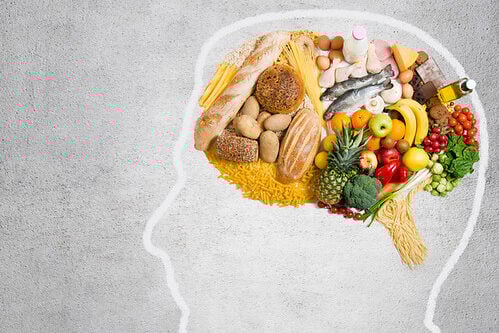
A growing body of research shows that what we eat can make a real difference in how the brain ages. Discover the everyday foods that strengthen memory, support cognition, and help reduce the impact of Alzheimer’s — starting with simple choices you can make today.

“What day is it?” asked Pooh. “It’s today.” squeaked Piglet. “My favorite day.” said Pooh.

A diet that combines unsaturated fats with nitrite-rich vegetables, such as olive oil and lettuce, can protect you from hypertension and vascular dementia.

Most of the time, it takes a combination of genetics, bad environment and unhealthy lifestyle to trigger Alzheimer’s. However, one gene called apolipoprotein E (APOE) can make a big difference.

In a study on health & cynicism, people were asked how much they agree with statements such as, “I think most people would lie to get ahead,” and “It is safer to trust nobody”. The clear connection between their answers and their risk of dementia may startle you.

Lewis Hornby had a problem: his grandmother with dementia wasn’t drinking enough, causing her to get severely dehydrated.