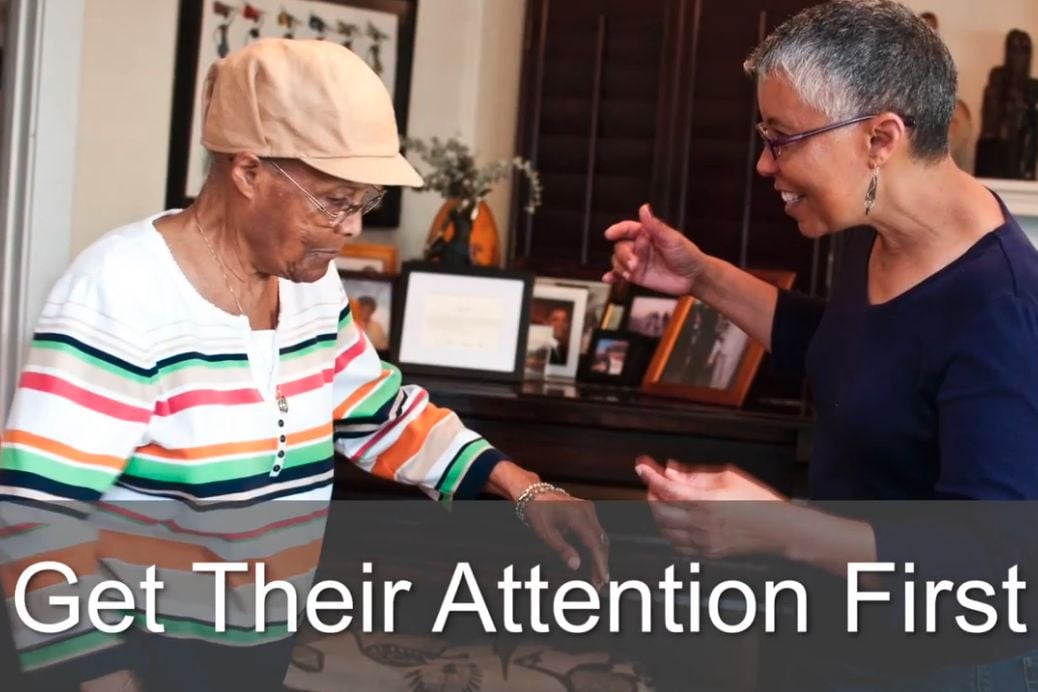
Hot Weather Safety for Dementia
SAFETY: Too much heat is not safe for anyone. It is even riskier if you have a dementia such as Alzheimer’s. Check out these tips on how to get heat-relief quickly.
SAFETY: Too much heat is not safe for anyone. It is even riskier if you have a dementia such as Alzheimer’s. Check out these tips on how to get heat-relief quickly.

“SafelyYou” reduced fall-related emergency room rates by an astounding 80% and falls themselves by 40%. Learn how it saves dementia-care residents from a leading cause of injury and death.

A neuroradiologist at the Mayo Clinic in Jacksonville, FL warns that increased use of monoclonal antibody treatment for Alzheimer’s has also led to the discovery of amyloid-related imaging abnormalities — ARIA. Find out more.

TEEPA SNOW CARE TIPS: 2 VIDEOS – Join Teepa’s team discussing if living with dementia means higher risk for COVID19. Gloves and distancing are taken
GENETICS & LIFESTYLE VIDEO: How do family history and genetics affect a healthy person’s risk of Alzheimer’s? Watch Harvard’s Top Alzheimer’s researcher, Dr. Rudy Tanzi, offer down-to-Earth insights.

EXTRAORDINARY MUSIC VIDEO: Ted McDermott, The Song-A-Minute Man, was diagnosed with dementia. His son, Simon, wasn’t going to let that stop his Dad. He understood how music reaches our deepest selves and has journeyed with his Dad and their dashcam to make beautiful music together. Get your widest smile ready and watch them in action.
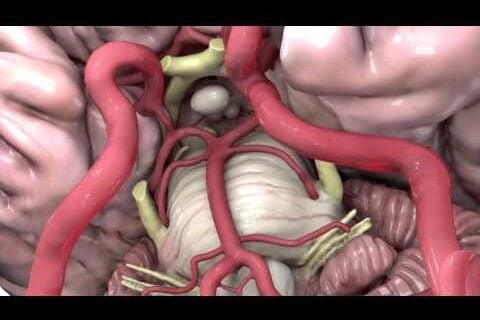
EXCEPTIONAL VASCULAR DEMENTIA VIDEO ANIMATION: Vascular deterioration in brains affects nearly everyone by 70. Aging arteries can trigger Vascular Dementia, or Vascular Cognitive Impairment. See the basics on its causes. Learn some tips on how to prevent it.

Three important dementia studies focus on HS-AGING, a type of dementia almost as common as Alzheimer’s in the 85+ group. Yet few people have heard of it. Why? What makes it different?
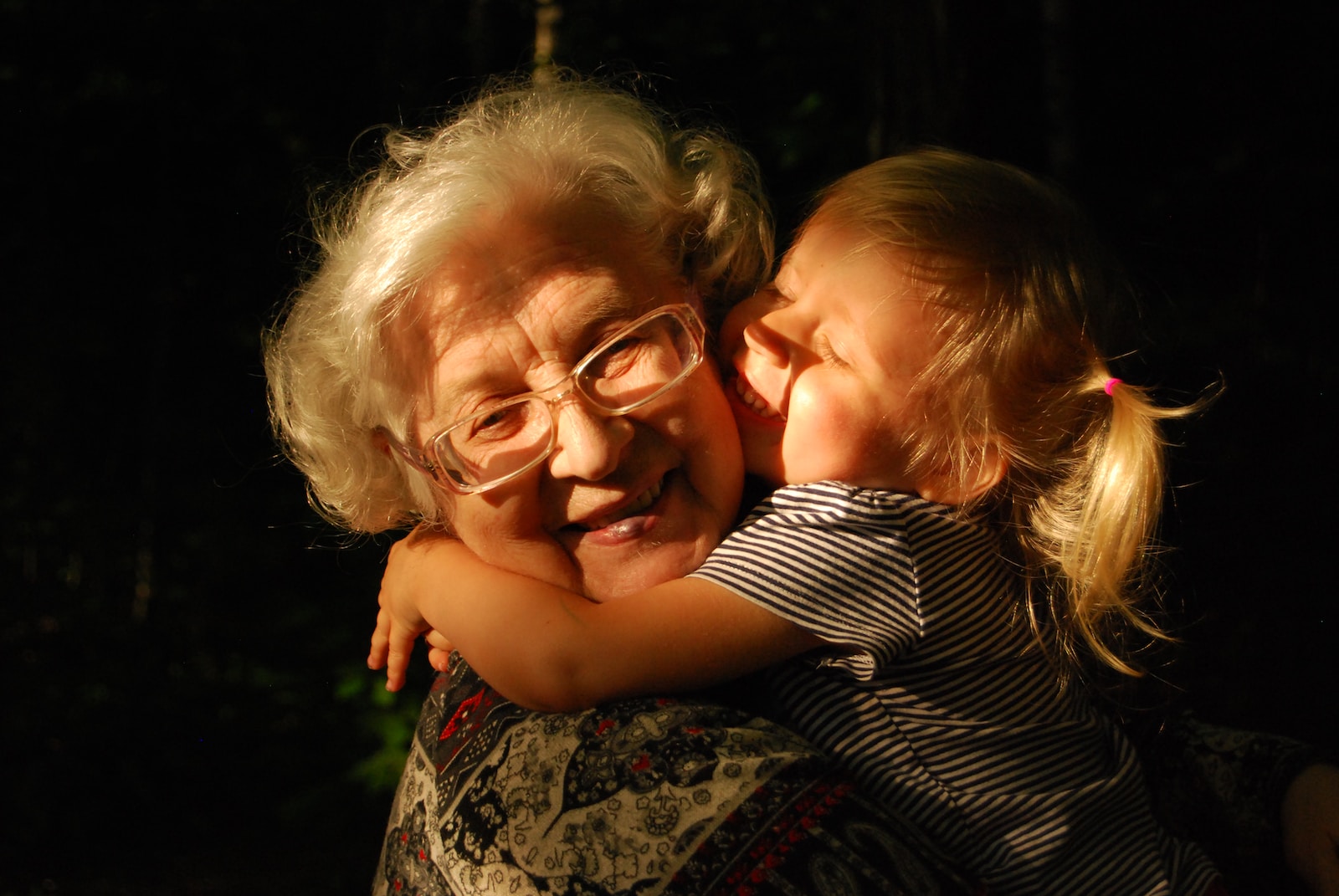
An intriguing study of 120 grandmothers might surprise you. Doctors know socially engaged people have better cognition and less dementia. But can a person get too much of a good thing? What’s the right balance?

Enjoy this great duet between a musician with dementia and his son. A triumph of spirit over Alzheimer’s! Sing-a-long if you like!
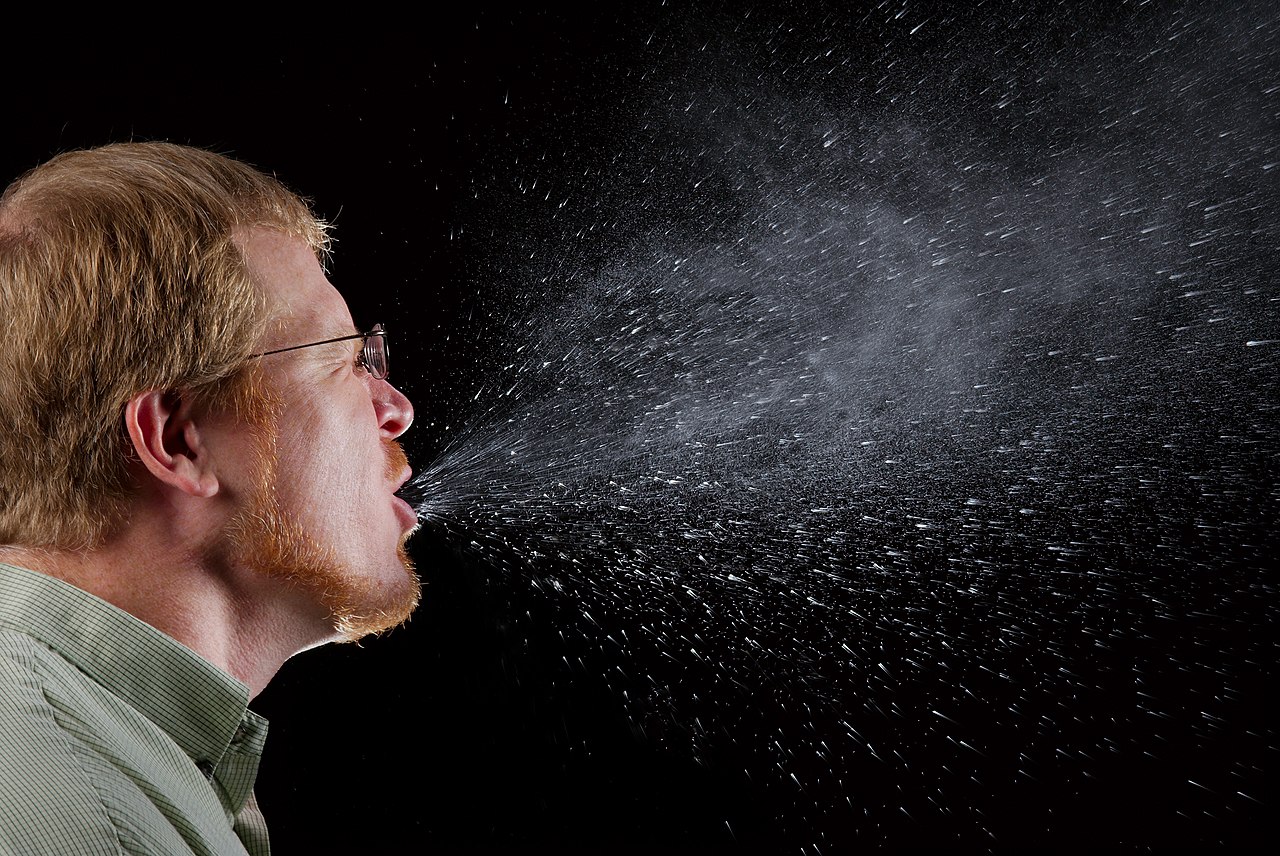
It looks like a sneeze cannot give anyone Alzheimer’s. While Alzheimer’s abnormal disease proteins do spread from cell-to-cell, they are not “infectious”. Check out the facts.