Headbanging Triggers CTE-Dementia in Soccer Pro’s Brain
VIDEO: Professional athlete Patrick Grange died with CTE dementia. Learn the connection between CTE dementia and activities that are hard on the head.
VIDEO: Professional athlete Patrick Grange died with CTE dementia. Learn the connection between CTE dementia and activities that are hard on the head.

VIDEO & IN-DEPTH ARTICLE Good news from England: “Dementia rates fall as public health improves.” Learn about Cambridge University’s authoritative study based on 20 years

VIDEO Dr. Rudy Tanzi, Harvard’s top Alzheimer’s expert, explores where we are and what we can do about Alzheimer’s.
A proven approach to slow the aging process and associated diseases is dietary restriction. New research helps explain the action of a drug that appears

RESEARCH VIDEO See how the U.S. government’s NIH sets the pace of America’s dementia research. Learn about their strategies, agendas and the initiatives they empower.

News on bexarotene demands explaining. In the Alzheimer’s lab, this FDA-approved anti-cancer drug improves memory. Since that is what matters to people, funding is pouring

A University of Florida experiment is on its way to the International Space Station. In the weightlessness of space, it will allow scientists to control the

VIDEO & ARTICLE A new online report from the National Institutes of Health (NIH) highlights recent progress in NIH-supported Alzheimer’s disease research. Watch Director Dr.

VIDEO: Watch this clear, easy-to-understand Alzheimer’s introduction, what doctors can and cannot do about it, and the road ahead.

TECH VIDEO: See how video messages break through Alzheimer’s morning fog. Learn why they perk up people with dementia. Watch this pilot program in action.

Eating a traditional Mediterranean-type diet – rich in foods such as seafood, fruit, and nuts – may help reduce the risk of dementia by nearly 25%, researchers say.

WATCH FIREFIGHTERS learn how it feels to have dementia and rescue people with Alzheimer’s in an emergency crisis.

Three important dementia studies focus on HS-AGING, a type of dementia almost as common as Alzheimer’s in the 85+ group. Yet few people have heard of it. Why? What makes it different?
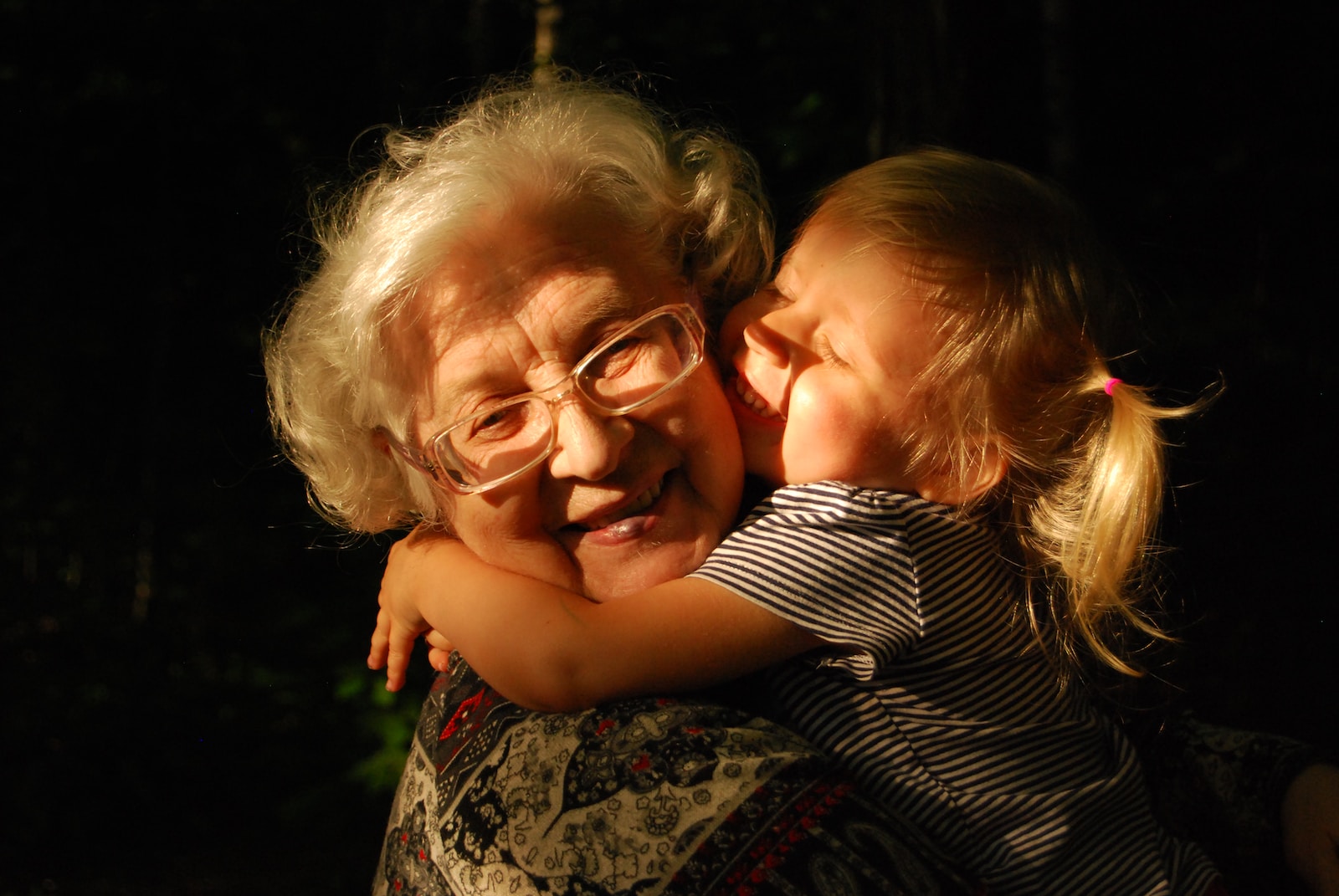
An intriguing study of 120 grandmothers might surprise you. Doctors know socially engaged people have better cognition and less dementia. But can a person get too much of a good thing? What’s the right balance?

Enjoy this great duet between a musician with dementia and his son. A triumph of spirit over Alzheimer’s! Sing-a-long if you like!

It looks like a sneeze cannot give anyone Alzheimer’s. While Alzheimer’s abnormal disease proteins do spread from cell-to-cell, they are not “infectious”. Check out the facts.