2 Women on Alzheimer’s Myths & Facts
UNDERSTANDING ALZHEIMER’S: Lisa Genova wrote the Alzheimer’s classic, “Still Alice”. See her discuss myths and facts about Alzheimer’s with leading Alzheimer’s activist Maria Shriver.
UNDERSTANDING ALZHEIMER’S: Lisa Genova wrote the Alzheimer’s classic, “Still Alice”. See her discuss myths and facts about Alzheimer’s with leading Alzheimer’s activist Maria Shriver.

Accurately diagnosing a dementia type can be very beneficial, even life-saving. With over 100 dementia types but no simple test, see tools and techniques to better diagnose dementia.

Women have long claimed that they can remember things better – and longer – than men. An important study sheds light on the matter. Learn how women’s memory performs at various stages of life.

FREE LBD BOOK, by America’s NIH. Insights into caregiving, movement, sleep & behavior. Often misdiagnosed as Alzheimer’s or Parkinson’s, 1 million Americans have Lewy Body dementia. Learn more about it.

Aphasia affects a person’s ability to communicate. It affects language functions, such as speaking, understanding what others say, and naming common objects. Learn its causes, types and a few tips.

DEMENTIA is a group of symptoms common to over 50 disorders. Alzheimer’s disease is the most common type of dementia. Learn about the 10 most common types of dementia.

VIDEO + ARTICLE:
Everyone knows Alzheimer’s is not catchy, but a new study shows it might be “transmissible”. Learn the difference and find out what it means to research.

It looks like a sneeze cannot give anyone Alzheimer’s. While Alzheimer’s abnormal disease proteins do spread from cell-to-cell, they are not “infectious”. Check out the facts.
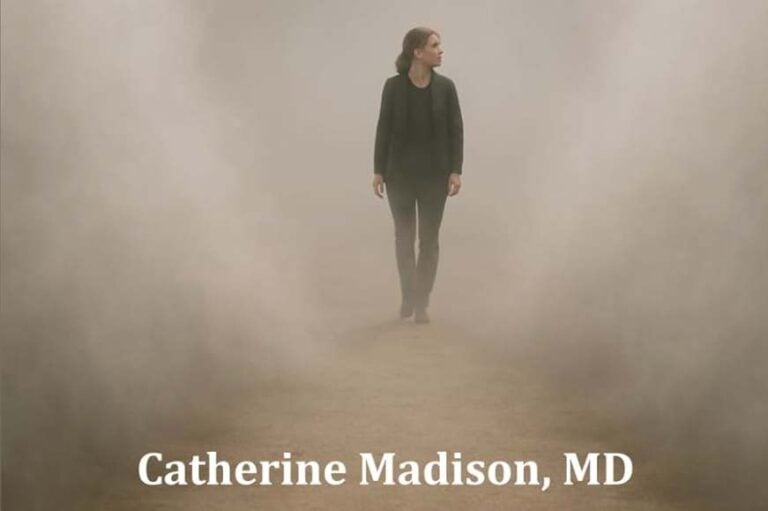
Anosognosia affects the majority of people living with dementia. Understanding this condition fundamentally changes how we approach conversations, decision-making, and future planning.
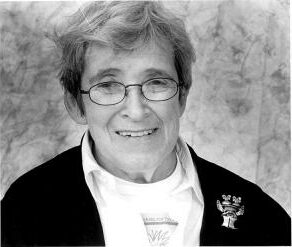
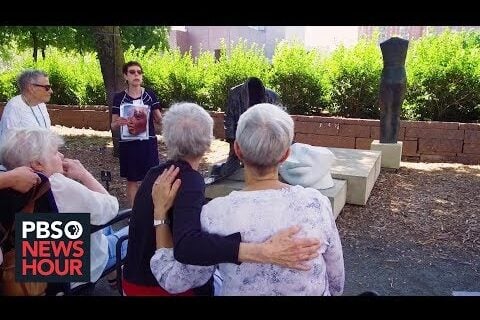
In dementia, art is often expressed at a much higher level than other activities. People engaged in artistic activities when they were healthy may hold on to these abilities in a way that seems to defy Alzheimer’s. See the remarkable case of one Canadian sculptor.

MAUDE’S AWARDS: RECOGNIZING INNOVATIONS IN DEMENTIA CARE SEATTLE, WA – The 7 TH Annual Maude’s Award Recipients are announced. Maude’s Awards wasdeveloped to gather and

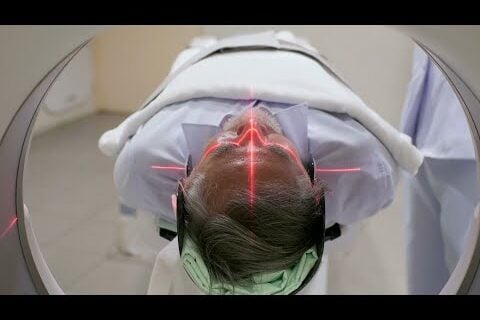
CUTTING-EDGE VIDEO + ARTICLE: See Dr. Anthony Fitzpatrick use world-class cryo-electron microscopes to reveal molecular secrets leading to a cure for Alzheimer’s.
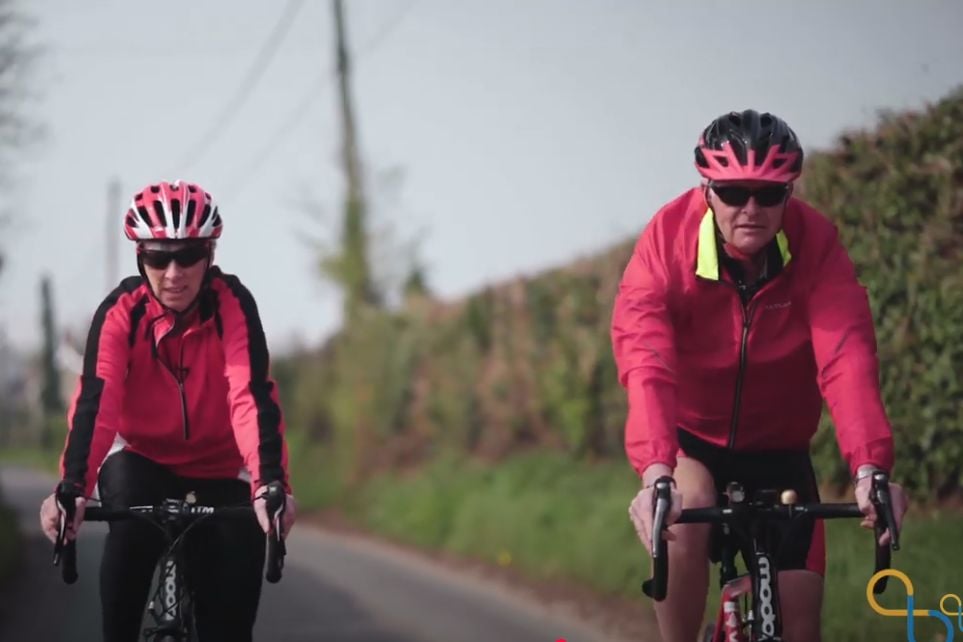
UPLIFTING VIDEO: Peter Berry & his Alzheimer’s are cycling 350 miles to show it’s still possible to live well with dementia.

Three important dementia studies focus on HS-AGING, a type of dementia almost as common as Alzheimer’s in the 85+ group. Yet few people have heard of it. Why? What makes it different?
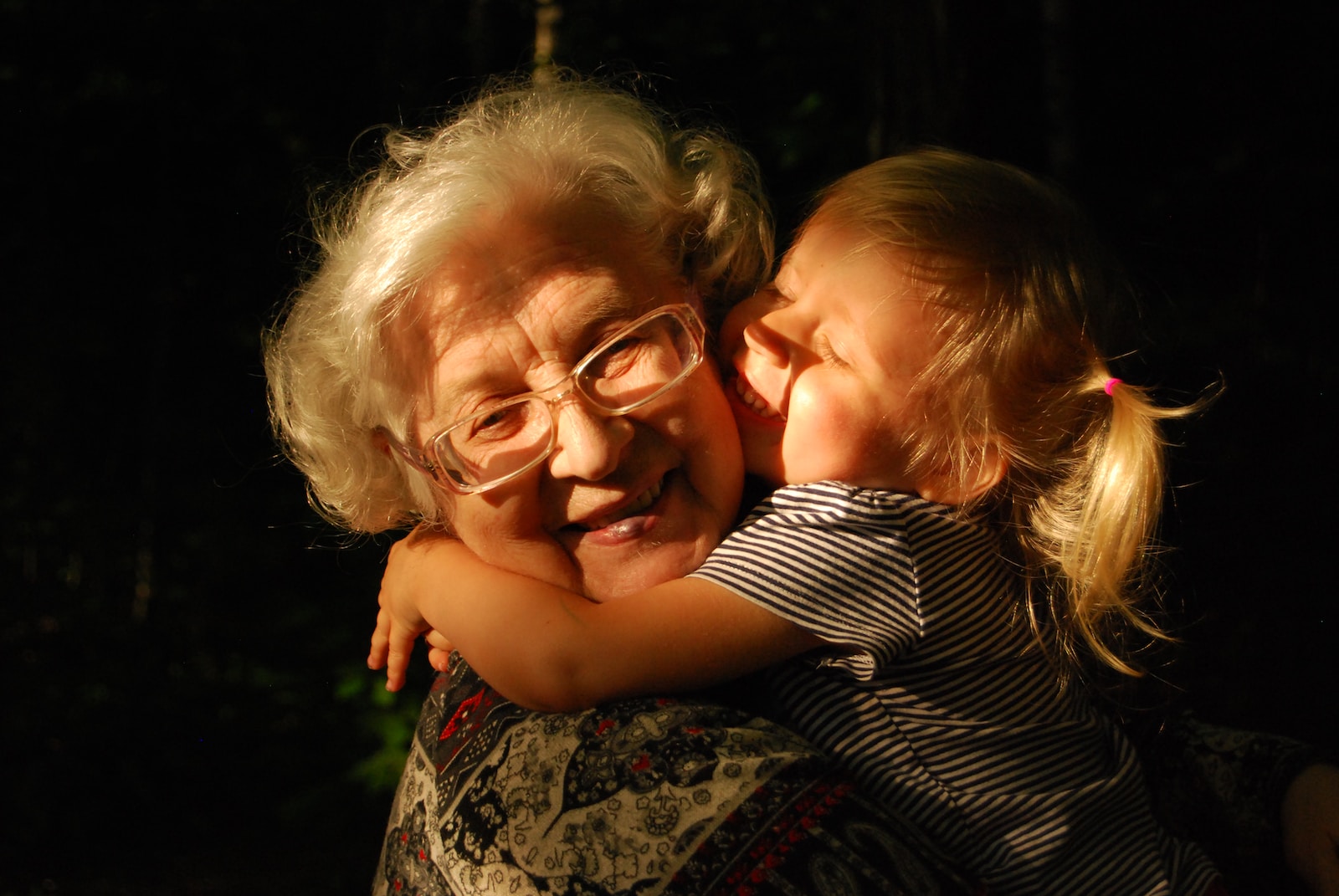
An intriguing study of 120 grandmothers might surprise you. Doctors know socially engaged people have better cognition and less dementia. But can a person get too much of a good thing? What’s the right balance?

Enjoy this great duet between a musician with dementia and his son. A triumph of spirit over Alzheimer’s! Sing-a-long if you like!
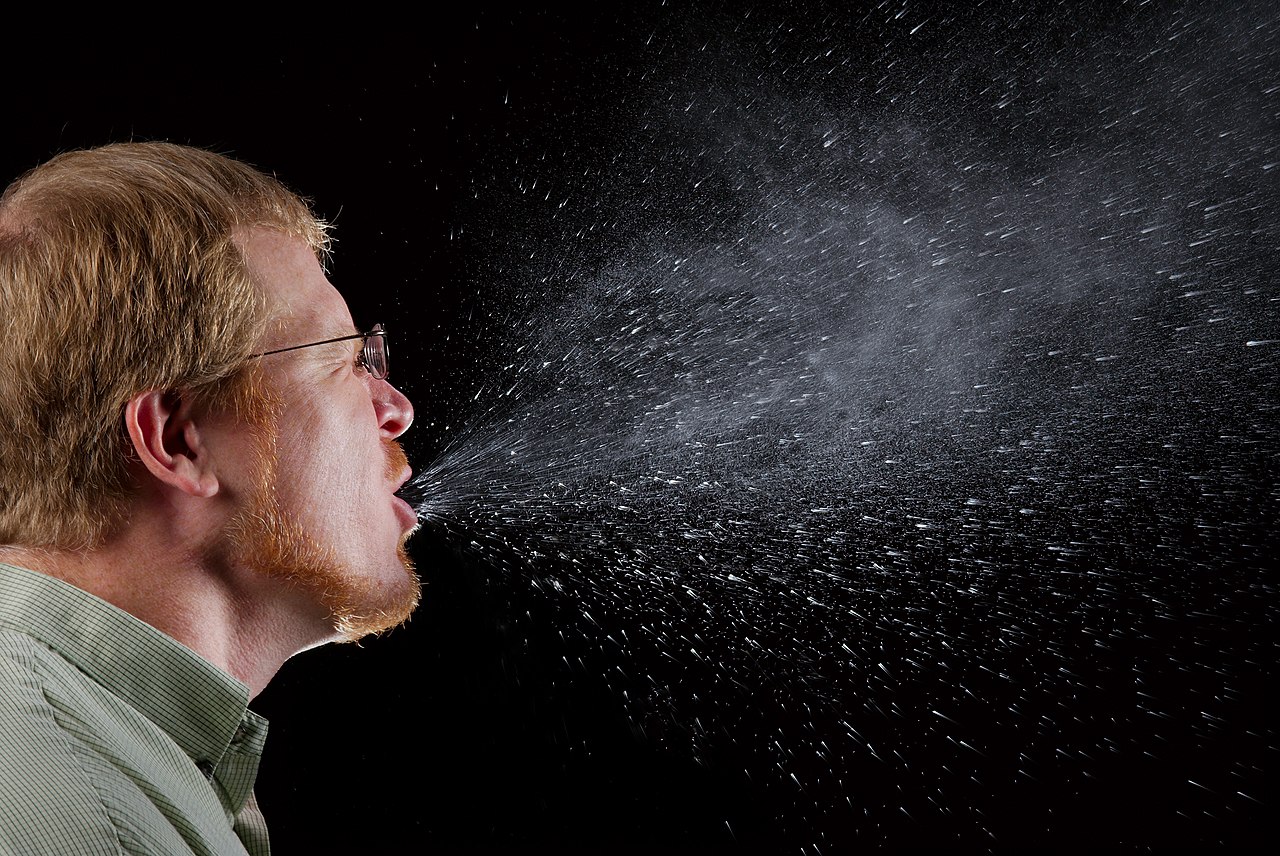
It looks like a sneeze cannot give anyone Alzheimer’s. While Alzheimer’s abnormal disease proteins do spread from cell-to-cell, they are not “infectious”. Check out the facts.