Thought of the Week: Love Grows
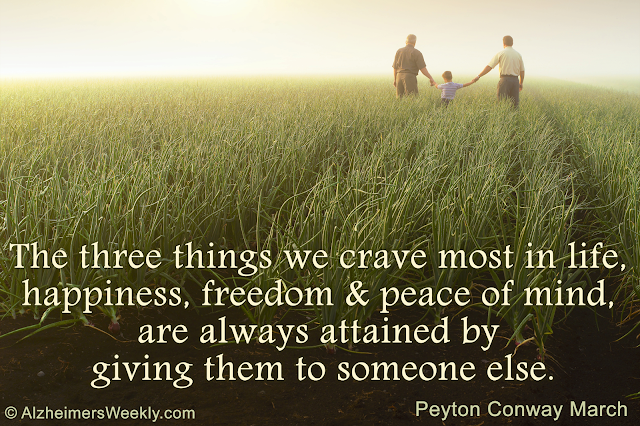
Love grows by giving.The love we give is the only love we keep.
Love grows by giving.The love we give is the only love we keep.

Be Kind,For everyone you meet,Is fighting a hard battle.


Anyone can give up,
It’s the easiest thing in the world to do.
But to hold it together
When everyone else would understand
If you fell apart,
That’s true strength.


Strength is not in our muscles. It is in our soul and spirit.
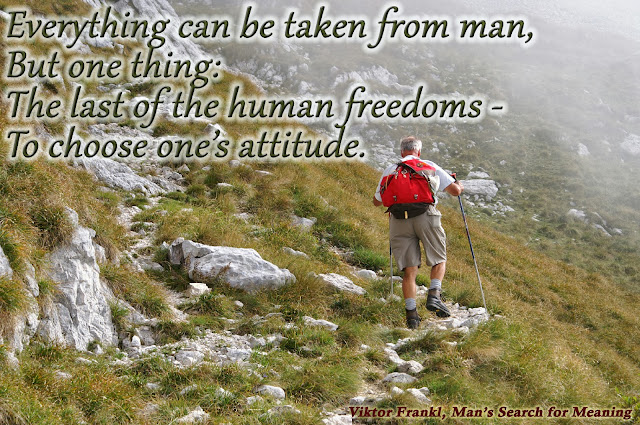
Everything can be taken from man but one thing:The last of the human freedoms – to choose one’s attitude.

We make a living by what we get,But we make a life by what we give. (Winston Churchill)
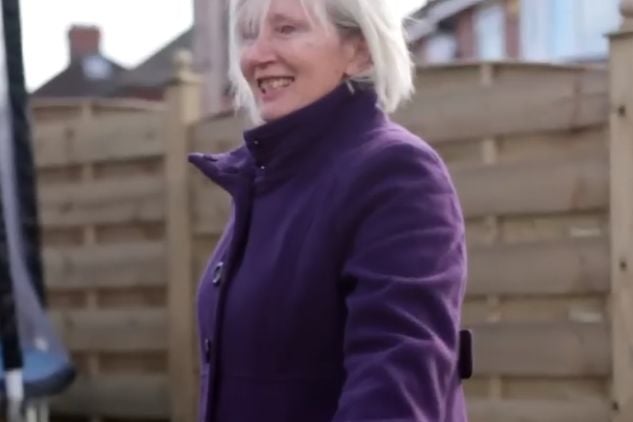
VIDEO: This is not a story about dementia. This is a story about Liz.
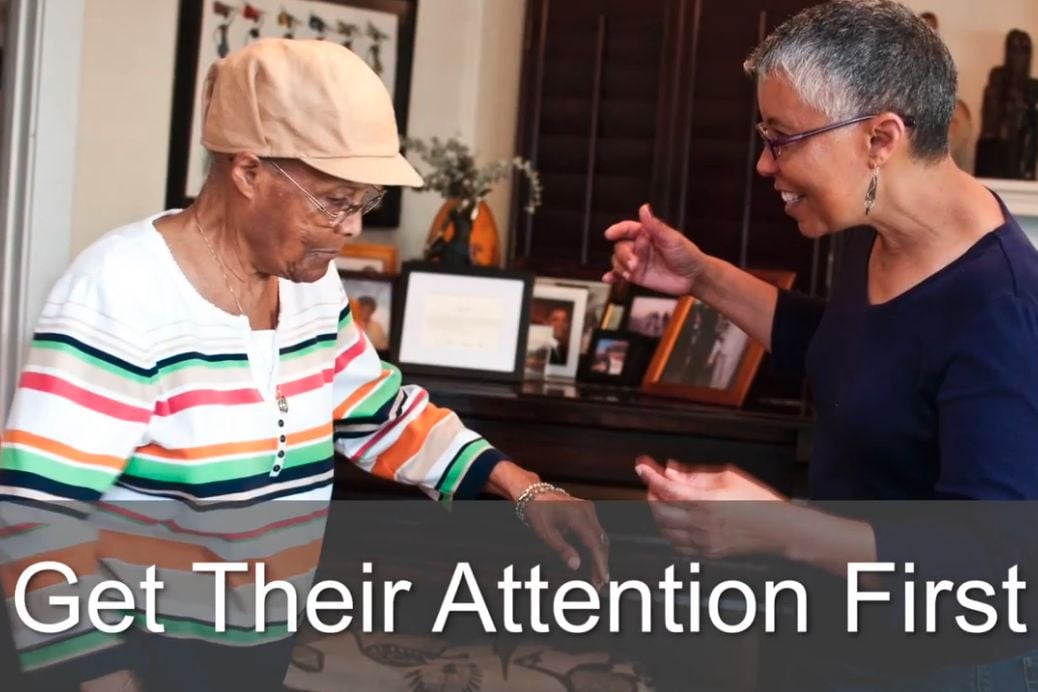
COMMUNICATIONS VIDEO + TRANSCRIPT: In Alzheimer’s, talking to a loved one can be very frustrating. Here are 3 tips that can help.
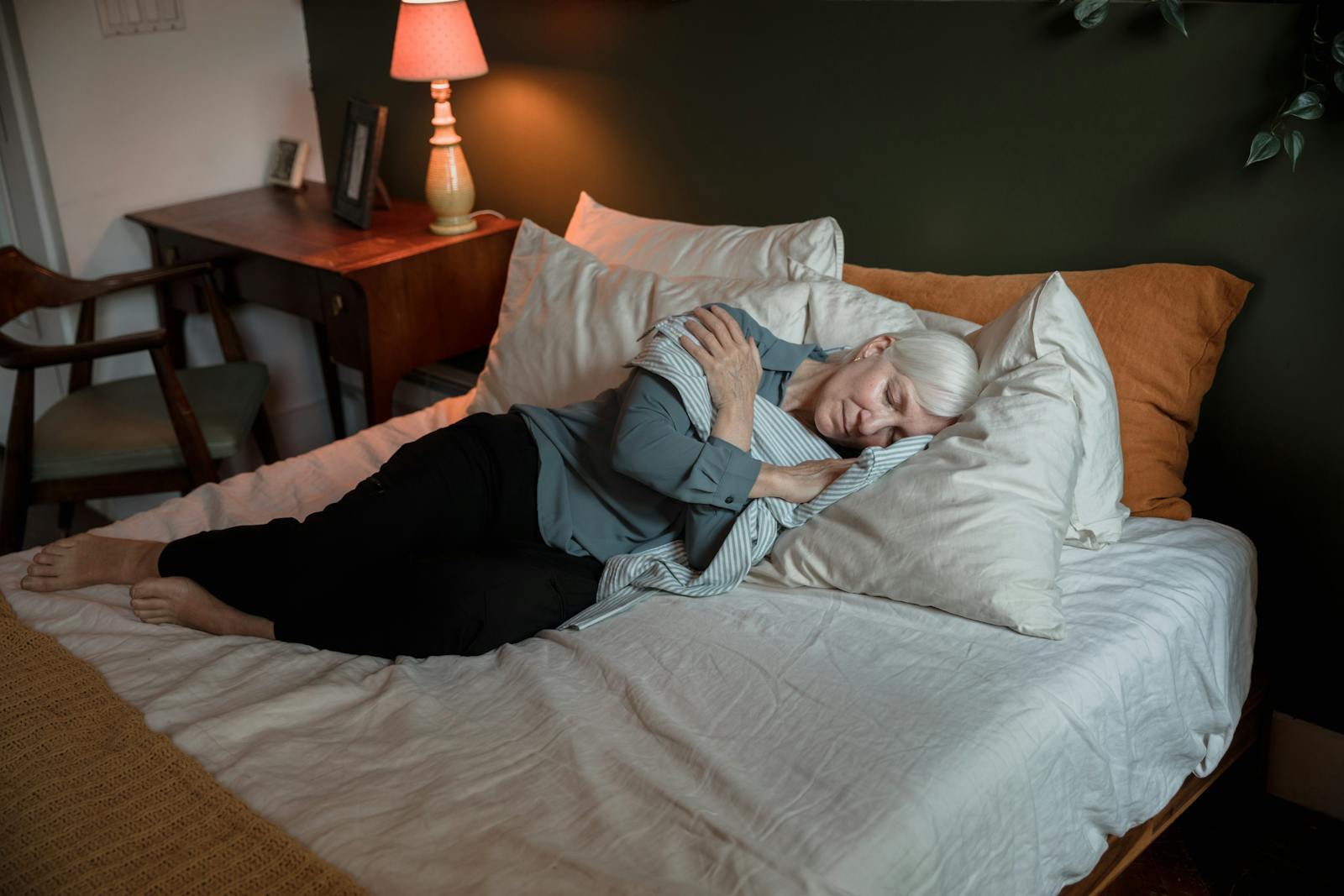
VIDEO+ARTICLE: Depth of sleep impacts our brain’s ability to wash away waste and toxic proteins. Sleep becomes lighter and disrupted as we get older. A new study reveals intriguing links between aging, sleep deprivation, and Alzheimer’s risk.

Three important dementia studies focus on HS-AGING, a type of dementia almost as common as Alzheimer’s in the 85+ group. Yet few people have heard of it. Why? What makes it different?
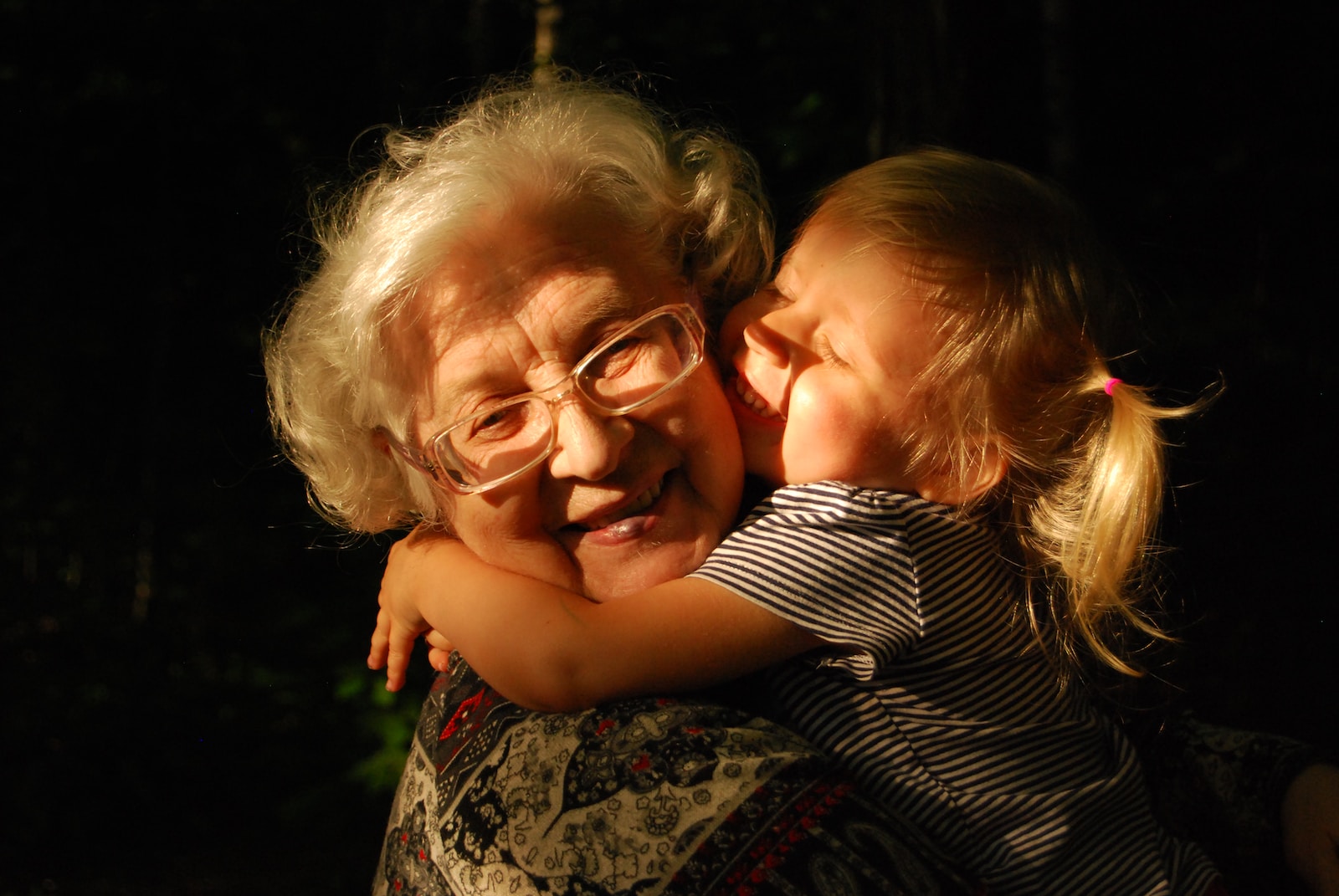
An intriguing study of 120 grandmothers might surprise you. Doctors know socially engaged people have better cognition and less dementia. But can a person get too much of a good thing? What’s the right balance?

Enjoy this great duet between a musician with dementia and his son. A triumph of spirit over Alzheimer’s! Sing-a-long if you like!

It looks like a sneeze cannot give anyone Alzheimer’s. While Alzheimer’s abnormal disease proteins do spread from cell-to-cell, they are not “infectious”. Check out the facts.