Share This Page

Daily Features

As little as 1% increase in deep-sleep per year, for people over 60, translates into a 27% decreased risk of dementia.
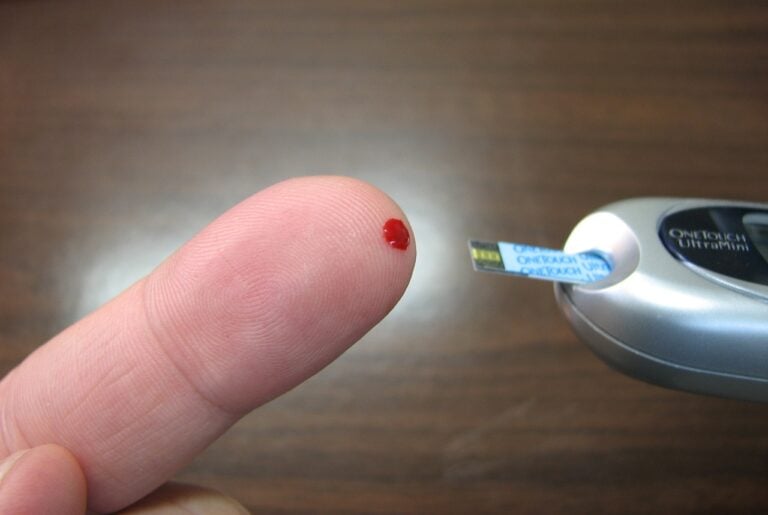
NEW RESEARCH: A diabetes medication already helping millions, called Jardiance, improves memory, strengthens blood flow, and supports overall brain health in pre- and early Alzheimer’s.
Sharing the story of a person with Alzheimer's, when their own memory fails, can be a true act of dignity and love. Ryan Nealon sings of the significance of "Telling You All About Her."
A high-sugar diet causes insulin resistance in the brain, reducing neuronal debris removal. How badly can this increase neurodegeneration risk?
SURVEY: Four in five Americans demand a clear diagnosis of illnesses, even for incurable dementias like Alzheimer's. Find out why in this eye-opening survey .
MUSIC VIDEO: Deeply beautiful, this song is in support of the courageous people between 29 and 65 with "younger-onset dementia", also known as early-onset dementia. Close your eyes and listen to this intensely hopeful melody.
MISDIAGNOSIS? Lewy Body Dementia (LBD) is often mistaken for Alzheimer's or Parkinson's. People typically go through 18 months and 3 doctors to get a correct diagnosis. Learn what to do about it.
"WHAT TIME IS IT?" Repetitive questions from dementia trigger frustration and anxiety in caregiver and patient. At a loss as to how to deal with it? Check out these UCLA Health tips.
Dr. Michael Gregger, Director of the authoritative NutritionFacts site, asks, "Why has fish consumption been associated with cognitive impairment and loss of executive function?"
Talk therapy may improve symptoms of depression for people with dementia, providing hope for those who typically do not benefit from antidepressant medication.
VIDEO ON SUNDOWNING: See UCLA's Dementia Care Program deal with end-of-day agitation and irritability, known as "Sundowning". A caregiver asks, "My loved one's behavior tends to get worse when the sun starts to go down. He appears exhausted and restless. What can I do to get him through this time of the day?"
As Mom can no longer speak and give consent, Saskia can't get power of attorney or access her Mom’s medical records. See Saskia explain the importance of early diagnosis.

Related:

By:
Picture of Peter Berger

Peter Berger

With experience in dementia caregiving, public education, and Alzheimer’s-focused writing—and a professional research background shaped in what many consider one of the world’s top laboratories—I work to make complex findings clear, practical, and genuinely helpful for families and professionals providing care.

This site was inspired by my Mom’s autoimmune dementia.

It is a place where we separate out the wheat from the chafe, the important articles & videos from each week’s river of news. Google gets a new post on Alzheimer’s or dementia every 7 minutes. That can overwhelm anyone looking for help. This site filters out, focuses on and offers only the best information. it has helped hundreds of thousands of people since it debuted in 2007. Thanks to our many subscribers for your supportive feedback.

The site is dedicated to all those preserving the dignity of the community of people living with dementia.

Peter Berger, Editor

Share this page To

Dementia Books & Videos on Amazon:

More From Alzheimer's Weekly

Share to Facebook
Twitter
LinkedIn

Visit Alzheimer's Weekly On

Welcome

Alzheimer’s & Dementia Weekly was inspired by my mother’s journey with autoimmune dementia and my dad’s with Parkinson’s dementia.

Walking beside them opened my eyes to the confusion, the courage, and the deep humanity found in families and professionals caring for someone they love.

Since its debut in 2007, this site has had one clear mission:
to separate the wheat from the chaff — to highlight only the most essential articles, studies, tools, and videos from the overwhelming river of dementia-related information.
(At last count, Google receives a new post on Alzheimer’s or dementia every seven minutes.) For anyone seeking clarity or support, that constant flow can be exhausting and discouraging.

Alzheimer’s Weekly filters, translates, and explains what matters most, helping hundreds of thousands of families, clinicians, and care teams around the world make sense of the latest research and best practices.

This site is dedicated to everyone who works—often quietly and tirelessly—to preserve dignity in the community of people living with dementia.


About the Editor

With experience in dementia caregiving, public education, and Alzheimer’s-focused writing—and a professional research background shaped in what many consider one of the world’s top laboratories—I work to make complex findings clear, practical, and genuinely helpful for both families and professionals providing care.

My goal is simple:
Translate the best science into guidance that lightens the load, strengthens understanding, and helps every person with dementia live with dignity.

Peter Berger
Editor, Alzheimer’s Weekly

Free:
Alzheimer's & Dementia
Weekly Newsletter

INCLUDES BONUS BOOKLET:
15 Simple Things You Can Do to Care For a Loved One with Dementia or Memory Loss
News, Treatments, Care Tips, Diet, Research, Diagnosis, Therapies & Prevention
News to Get at the Truth

Subscribe To Our Weekly Newsletter