Share This Page

Home Help for Dementia: Timing It, Managing It

Knowing when to bring in help — and how to manage it well — can make all the difference in caring for a loved one with dementia. The right timing protects safety and dignity, while good management preserves peace of mind for everyone involved.
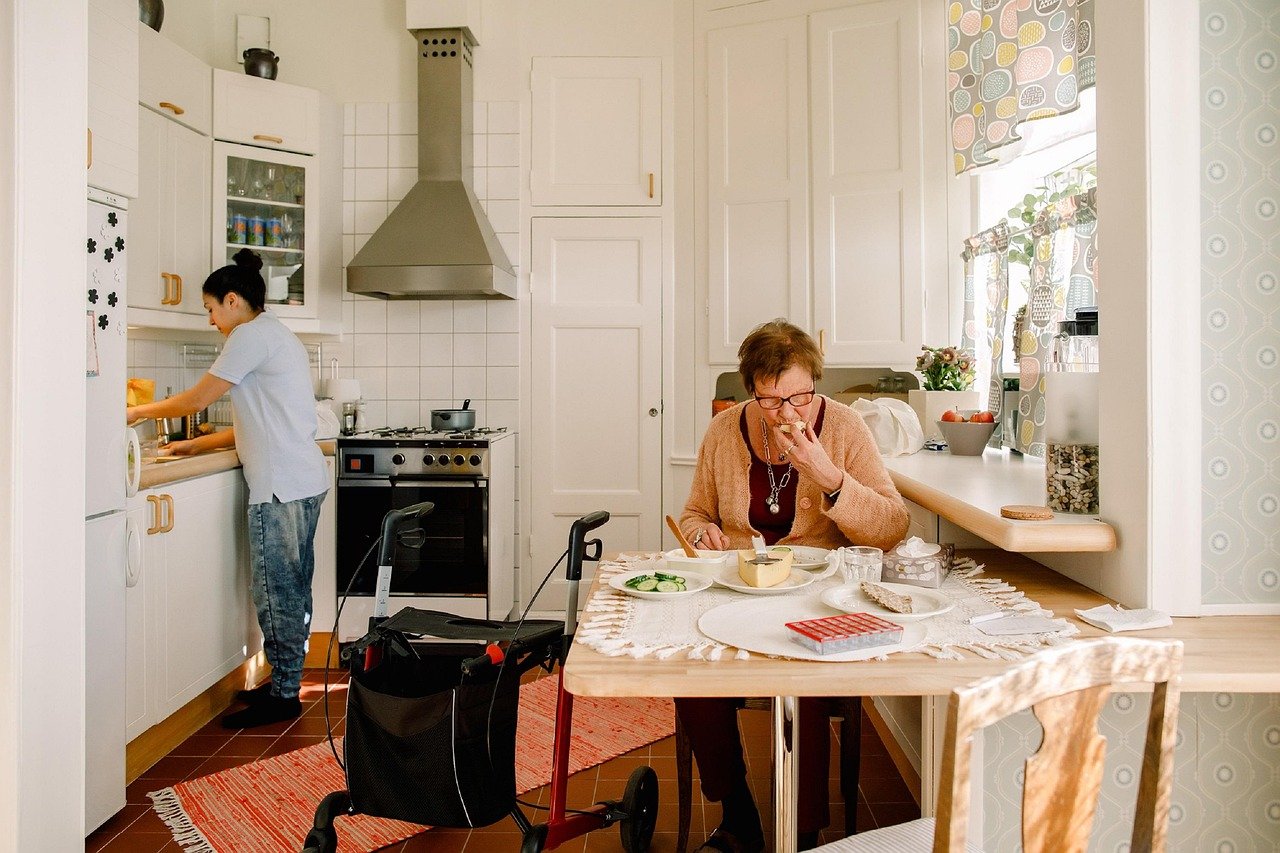
kitchen, food, cooking, women, meal, job, indoors, service, homecare, homecare, homecare, homecare, homecare, homecare

Understanding the Early Stage of Dementia

In early dementia, a person may still appear independent — driving, cooking, or handling routines — yet small gaps start to show: forgotten bills, misplaced items, confusion about familiar tasks.

Getting help early isn’t a loss of independence; it’s a way to preserve it longer, ensuring safety and stability at home.


Warning Signs It’s Time for Help

Look for these key indicators:

  • Trouble with meals, hygiene, or medication management.
  • Safety risks — leaving stoves on, falling, wandering, or neglecting hygiene.
  • Skipped bills, unopened mail, or missed appointments.
  • Mood changes, confusion, or agitation.
  • Caregiver burnout — when you’re running on empty.

When several signs appear, it’s time to add professional support at home.


How In-Home Assistance Helps

A trained caregiver can:

  • Maintain independence by offering gentle support.
  • Reduce risks and ensure safety.
  • Ease caregiver strain so you can reconnect as family, not just caretaker.
  • Promote engagement through conversation, music, or light activity.

This help extends quality of life — for your loved one and for you.


Choosing the Right Kind of Help

Match support to need:

  • Companions for errands, meals, and social time.
  • Personal aides for daily care and hygiene.
  • Skilled nurses for complex medical needs.

Ask about dementia-specific training, consistency in caregivers, and communication methods that fit your family’s style.


Making Home Safer

Small adjustments can bring big relief:

  • Clear walkways and reduce clutter.
  • Add grab bars and bright, even lighting.
  • Use labels and simplified appliances.
  • Install stove shut-offs or door alarms if needed.

A well-designed home lets independence and safety coexist.


When Home Help Isn’t Enough

Even with aides, there may come a time when needs outgrow what home care can provide — such as frequent falls, sleepless nights, or caregiver health decline.

Planning ahead ensures transitions to assisted living or memory care are thoughtful, not rushed.


10 Tips Every Caregiver Needs to Know
Before and After
Bringing Help Home

1. Plan Early, Not in Crisis

Legal, medical, and financial planning before decline saves stress later.
Power of attorney and care preferences should be decided while your loved one can still share input.

2. Preserve Dignity Through Partnership

Involve your loved one in decisions.
Say “Let’s find someone to help us” instead of “You can’t do this anymore.”
Respect builds cooperation.

3. Consistency Creates Calm

Routines, familiar faces, and predictable rhythms ease anxiety.
Introduce new caregivers gradually to build trust and comfort.

4. Choose Caregivers With Heart

Seek those who combine patience with empathy.
A calm presence matters more than quick efficiency when emotions are tender.

5. Know the Financial Landscape

Explore long-term care insurance, veterans’ benefits, Medicaid waivers, or local respite programs early to avoid cost shocks later.

6. Keep Communication Open

Use a shared notebook or group text for caregiver updates.
Clarity prevents missteps and fosters teamwork.

7. Expect Emotions — and Support Them

Guilt, relief, sadness, and gratitude can all mix together.
These feelings are normal.
Talk openly with friends, clergy, or support groups who understand.

8. Protect Your Own Health

You are the foundation of care.
Schedule rest, eat well, and accept breaks.
You can’t pour from an empty cup.

9. Reevaluate Regularly

Every few months, review safety, satisfaction, and stress levels.
Care needs evolve — your plan should, too.

10. Find Joy in the Moments

Even with dementia, connection endures.
Sing, laugh, or share a cup of tea.
It’s the small, steady moments that keep love visible through every stage.


References & Resources

Related:

Email me when people comment
Notify of
guest

0 Comments
Inline Feedbacks
View all comments
By:
Picture of Peter Berger

Peter Berger

With experience in dementia caregiving, public education, and Alzheimer’s-focused writing—and a professional research background shaped in what many consider one of the world’s top laboratories—I work to make complex findings clear, practical, and genuinely helpful for families and professionals providing care.

This site was inspired by my Mom’s autoimmune dementia.

It is a place where we separate out the wheat from the chafe, the important articles & videos from each week’s river of news. Google gets a new post on Alzheimer’s or dementia every 7 minutes. That can overwhelm anyone looking for help. This site filters out, focuses on and offers only the best information. it has helped hundreds of thousands of people since it debuted in 2007. Thanks to our many subscribers for your supportive feedback.

The site is dedicated to all those preserving the dignity of the community of people living with dementia.

Peter Berger, Editor

Share this page To

Dementia Books & Videos on Amazon:

More From Alzheimer's Weekly

white plastic bottle with brown tablets of THC
Drugs:Behavior

Medical Marijuana Disappoints Dementia

When is medical marijuana appropriate? Not in dementia, according to a new study. It suggests medical marijuana pills may not help treat behavioral symptoms of dementia, such as aggression, pacing and wandering. Get the details.

Read More »
Family

A Happy Partner Leads to Less Dementia

Researchers find optimistic people contribute to the health of their partners, staving off risk factors leading to Alzheimer’s disease, other dementias and cognitive decline as they grow old together.

Read More »
Share to Facebook
Twitter
LinkedIn

Visit Alzheimer's Weekly On

Welcome

Alzheimer’s & Dementia Weekly was inspired by my mother’s journey with autoimmune dementia and my dad’s with Parkinson’s dementia.

Walking beside them opened my eyes to the confusion, the courage, and the deep humanity found in families and professionals caring for someone they love.

Since its debut in 2007, this site has had one clear mission:
to separate the wheat from the chaff — to highlight only the most essential articles, studies, tools, and videos from the overwhelming river of dementia-related information.
(At last count, Google receives a new post on Alzheimer’s or dementia every seven minutes.) For anyone seeking clarity or support, that constant flow can be exhausting and discouraging.

Alzheimer’s Weekly filters, translates, and explains what matters most, helping hundreds of thousands of families, clinicians, and care teams around the world make sense of the latest research and best practices.

This site is dedicated to everyone who works—often quietly and tirelessly—to preserve dignity in the community of people living with dementia.


About the Editor

With experience in dementia caregiving, public education, and Alzheimer’s-focused writing—and a professional research background shaped in what many consider one of the world’s top laboratories—I work to make complex findings clear, practical, and genuinely helpful for both families and professionals providing care.

My goal is simple:
Translate the best science into guidance that lightens the load, strengthens understanding, and helps every person with dementia live with dignity.

Peter Berger
Editor, Alzheimer’s Weekly

Free:
Alzheimer's & Dementia
Weekly Newsletter

INCLUDES BONUS BOOKLET:
15 Simple Things You Can Do to Care For a Loved One with Dementia or Memory Loss
News, Treatments, Care Tips, Diet, Research, Diagnosis, Therapies & Prevention
News to Get at the Truth

Subscribe To Our Weekly Newsletter

0
Would love your thoughts, please comment.x
()
x