HEALTH RESEARCH:
Can muscle strength gains really fight MCI? (MCI is Mild Cognitive Impairment, sometimes nicknamed “pre-Alzheimer’s”.) Check out this health tip from Australia’s “SMART Trial” for seniors.
Increased muscle strength leads to improved brain function in adults with Mild Cognitive Impairment (MCI), results from a trial led by the University of Sydney revealed.
With 135 million people forecast to suffer from dementia in 2050, the study’s findings–published in the Journal of American Geriatrics–have implications for the type and intensity of exercise that is recommended for our growing ageing population.
Mild Cognitive Impairment defines people who have noticeably reduced cognitive abilities such as reduced memory but are still able to live independently, and is a precursor to Alzheimer’s disease.
Findings from the Study of Mental and Resistance Training (SMART) trial show a positive causal link between muscle adaptations to progressive resistance training and the functioning of the brain among those over 55 with MCI.
The trial was conducted in collaboration with the Centre for Healthy Brain Ageing (CHeBA) at University of New South Wales and the University of Adelaide.
“What we found in this follow up study is that the improvement in cognition function was related to their muscle strength gains” said lead author Dr Yorgi Mavros, from the Faculty of Health Sciences, at University of Sydney.
“The stronger people became, the greater the benefit for their brain.”
SMART was a randomised, double-blind trial involving 100 community-dwelling adults with MCI, aged between 55 and 86. They were divided into four groups doing either:
- Resistance exercise and computerised cognitive training;
- Resistance exercise and a placebo computerised training (watching nature videos);
- Brain training and a placebo exercise program (seated stretching/calisthenics); or
- Placebo physical exercise and placebo cognitive training.
Participants doing resistance exercise prescribed weight lifting sessions twice week for six months, working to at least 80 per cent of their peak strength. As they got stronger, the amount of weight they lifted on each machine was increased to maintain the intensity at 80 per cent of their peak strength.
The primary outcomes of a paper published in 2014 found these participants’ global cognition improved significantly after the resistance training, as measured by tests including the Alzheimer’s disease Assessment Scale-Cognitive scale. The cognitive training and placebo activities did not have this benefit. The benefits persisted even 12 months after the supervised exercise sessions ended.
“The more we can get people doing resistance training like weight lifting, the more likely we are to have a healthier ageing population,” said Dr Mavros.
“The key however is to make sure you are doing it frequently, at least twice a week, and at a high intensity so that you are maximising your strength gains. This will give you the maximum benefit for your brain.”
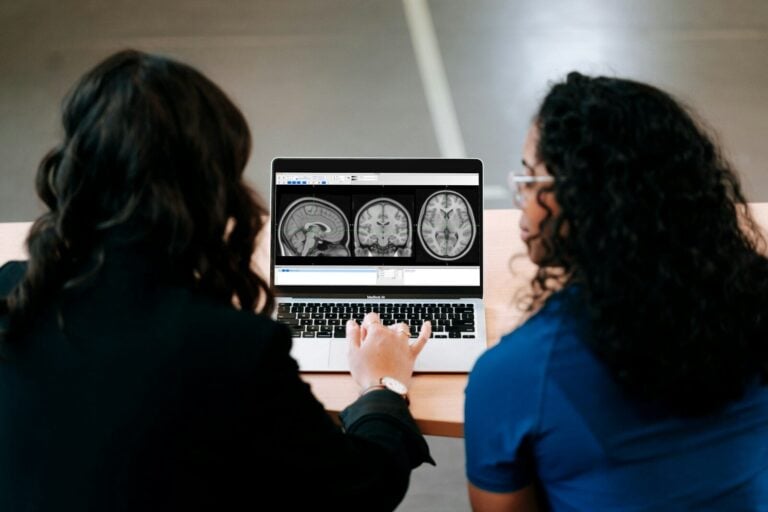
These new findings reinforce research from the SMART trial published earlier this year, whereby MRI scans showed an increase in the size of specific areas of the brain among those who took part in the weight training program. These brain changes were linked to the cognitive improvements after weight lifting.
“The next step now is to determine if the increases in muscle strength are also related to increases in brain size that we saw,” said senior author Professor Maria Fiatarone Singh, geriatrician at University of Sydney.
“In addition, we want to find the underlying messenger that links muscle strength, brain growth, and cognitive performance, and determine the optimal way to prescribe exercise to maximise these effects.”
- The SMART trial was funded by Australia’s National Health and Medical Research Council. It was conducted in collaboration with the Centre for Healthy Brain Ageing (CHeBA) at UNSW and the University of Adelaide.
SOURCE: