Share This Page

The A4 Study to Prevent Alzheimer’s: Now is the Time

VIDEO + ARTICLE:

The A4 Study is a cutting-edge trial aimed at preventing Alzheimer’s. The clinical trial is testing healthy adults who are at risk for the dementia. It is the first trial to alert people to their risk in advance.

Read about the research. See Dr. Sperling describe its real potential to create a vaccination that prevents memory loss.


A cutting-edge clinical trial is testing whether early medical intervention in people at risk for Alzheimer’s can slow down progression of disease pathology before symptoms emerge.

Continued below video…

For the first time, people with no Alzheimer’s disease symptoms are being told of their risk status before being asked to join the randomized controlled trial. As part of the overall prevention trial, neurodegenerative ethics experts monitor how learning about their risk of developing Alzheimer’s impacts trial participants.

Alzheimer’s disease afflicts more than 13% of individuals over the age of 65, and remains one of the most feared consequences of aging.

10,000 individuals between the agos of 65 and 85 are needed to find the one thousand participants who will be the perfect fit.

The A4 Trial (Anti-Amyloid Treatment in Asymptomatic Alzheimer’s Disease Trial) requires that patients enrolled must have one of the pathologies typically seen in Alzheimer’s disease dementia, which will be assessed using a brain PET scan that measures amyloid. Given that studies have shown that about one third of clinically normal older individuals have evidence of amyloid plaque accumulation but may not develop any cognitive symptoms within their lifetime, the patients who are enrolled in the trial based on positive amyloid results may or may not go on to develop Alzheimer’s disease dementia.

The A4 study is a landmark public-private partnership, funded by theNational Institute on Aging/NIHEli Lilly and Company, and several philanthropic organizations. The A4 trial is coordinated by the Alzheimer’s Disease Cooperative Study, located at the University of California, San Diego.

Now is the time.

Source:


Reference:

  1. R. A. Sperling, D. M. Rentz, K. A. Johnson, J. Karlawish, M. Donohue, D. P. Salmon, P. Aisen. The A4 Study: Stopping AD Before Symptoms Begin? Science Translational Medicine, 2014; 6 (228): 228fs13 DOI: 10.1126/scitranslmed.3007941

Related:

Email me when people comment
Notify of
guest

1 Comment
Inline Feedbacks
View all comments
charlene
charlene
March 2, 2015 2:24 am

what if your grandmother had it,your mom (91) has dementia /alzheimers and daughters are 58 and 61. Why not look a use less than 65 years of age who see the genetic history.

By:
Picture of Peter Berger

Peter Berger

With experience in dementia caregiving, public education, and Alzheimer’s-focused writing—and a professional research background shaped in what many consider one of the world’s top laboratories—I work to make complex findings clear, practical, and genuinely helpful for families and professionals providing care.

This site was inspired by my Mom’s autoimmune dementia.

It is a place where we separate out the wheat from the chafe, the important articles & videos from each week’s river of news. Google gets a new post on Alzheimer’s or dementia every 7 minutes. That can overwhelm anyone looking for help. This site filters out, focuses on and offers only the best information. it has helped hundreds of thousands of people since it debuted in 2007. Thanks to our many subscribers for your supportive feedback.

The site is dedicated to all those preserving the dignity of the community of people living with dementia.

Peter Berger, Editor

Share this page To

Dementia Books & Videos on Amazon:

More From Alzheimer's Weekly

Model of the brain
Understanding Dementia

Get to Know Your Brain’s Map

VIDEO: If you follow the news on Alzheimer’s research and treatment, it helps to know your brain’s basics. Watch Neurologist Tim Rittman explore the brain and how is works.

Read More »
Vegetables
Diet

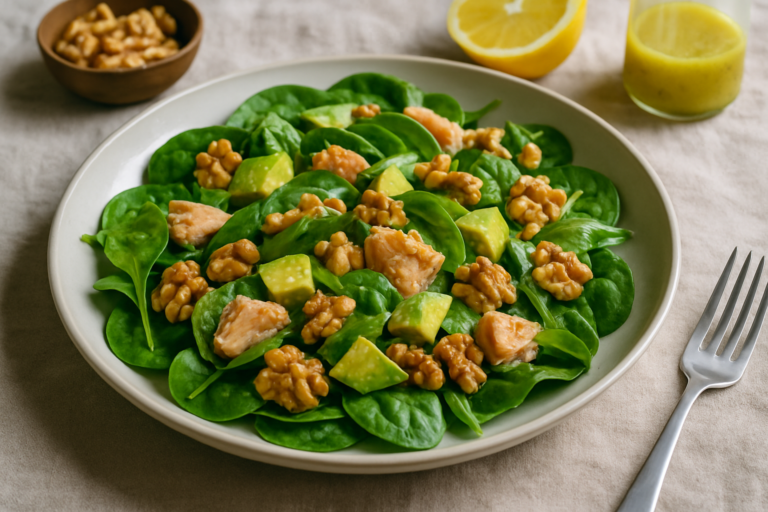
Brains Love Lutein in Avocado & Spinach

DIET VIDEO: Lutein is the only food antioxidant “significantly related to BETTER COGNITION”. It also reduces dementia risk. Our brain sponges up lutein from our diet, way more than other brain nutrients. See how it works. Learn what to eat.

Read More »
Share to Facebook
Twitter
LinkedIn

Visit Alzheimer's Weekly On

Welcome

Alzheimer’s & Dementia Weekly was inspired by my mother’s journey with autoimmune dementia and my dad’s with Parkinson’s dementia.

Walking beside them opened my eyes to the confusion, the courage, and the deep humanity found in families and professionals caring for someone they love.

Since its debut in 2007, this site has had one clear mission:
to separate the wheat from the chaff — to highlight only the most essential articles, studies, tools, and videos from the overwhelming river of dementia-related information.
(At last count, Google receives a new post on Alzheimer’s or dementia every seven minutes.) For anyone seeking clarity or support, that constant flow can be exhausting and discouraging.

Alzheimer’s Weekly filters, translates, and explains what matters most, helping hundreds of thousands of families, clinicians, and care teams around the world make sense of the latest research and best practices.

This site is dedicated to everyone who works—often quietly and tirelessly—to preserve dignity in the community of people living with dementia.


About the Editor

With experience in dementia caregiving, public education, and Alzheimer’s-focused writing—and a professional research background shaped in what many consider one of the world’s top laboratories—I work to make complex findings clear, practical, and genuinely helpful for both families and professionals providing care.

My goal is simple:
Translate the best science into guidance that lightens the load, strengthens understanding, and helps every person with dementia live with dignity.

Peter Berger
Editor, Alzheimer’s Weekly

Free:
Alzheimer's & Dementia
Weekly Newsletter

INCLUDES BONUS BOOKLET:
15 Simple Things You Can Do to Care For a Loved One with Dementia or Memory Loss
News, Treatments, Care Tips, Diet, Research, Diagnosis, Therapies & Prevention
News to Get at the Truth

Subscribe To Our Weekly Newsletter

1
0
Would love your thoughts, please comment.x
()
x