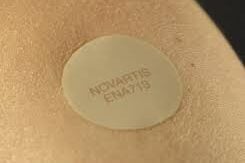
For caregivers who may not have seen it before, the rivastigmine patch is a once-daily skin patch used to treat symptoms of mild to moderate Alzheimer’s disease. It delivers medication slowly through the skin, helping support memory and thinking by raising levels of certain brain chemicals. Families often turn to the patch when pills cause stomach upset, when swallowing becomes difficult, or when medication routines feel overwhelming.
This steady, 24-hour delivery system provides a way to ease daily care while avoiding the peaks and dips of oral medications. Over the past year, new research has strengthened the case for the patch as one of the gentler, more practical treatment tools available today.
Why the Patch Still Matters
| What It Is | Key Benefits | What’s New | Safety Tips | Bottom Line |
|---|---|---|---|---|
| Once-daily skin patch for mild–moderate Alzheimer’s that delivers steady medication through the skin with fewer stomach side effects than pills. |
– Smoother symptoms across the day – Less nausea and vomiting – One patch per day means fewer missed doses – Supports calmer, simpler caregiving routines |
– 2025 review confirms better tolerability than oral
rivastigmine – Higher-dose 13.3 mg/24 h patch remains effective and well tolerated – Real-world data show stronger adherence and caregiver preference |
– Always remove the old patch before applying a new
one – Rotate sites (upper arm, back, or chest) – Watch for irritation that lasts more than a day and consult the care team if it spreads |
A gentler, dependable Alzheimer’s treatment that smooths symptoms and simplifies daily care for families. |
The rivastigmine patch simplifies daily care for many families. Instead of multiple pills, caregivers manage a single patch that delivers medication consistently throughout the day. This slow, even release is one reason many patients experience fewer stomach-related side effects such as nausea, vomiting, or appetite loss.
The patch also reduces stress for individuals with Alzheimer’s who find pills confusing or challenging. Its once-daily routine supports dignity, predictability, and a calmer care environment.
New Research Confirms Better Tolerability
A major clinical review published this year looked closely at trials and real-world evidence and reaffirmed a pattern caregivers know well: rivastigmine patches tend to be better tolerated than oral forms while providing similar cognitive benefit. The review highlights fewer gastrointestinal issues, smoother symptom management, and improved comfort overall.
Another updated analysis examined the 13.3 mg/24 h patch, the highest approved dose. For patients who need a stronger therapeutic effect, the review found that this higher dose remains well tolerated and offers clinicians more flexibility to fine-tune treatment without sacrificing comfort.
Real-World Benefits That Support Caregivers
Recent observational studies continue to reflect everyday caregiving realities:
- Strong caregiver preference for the patch over pills
- Better long-term adherence
- Fewer missed doses
- Reduced stomach irritation and improved appetite
- A calmer, more manageable daily routine
Because Alzheimer’s medications work best when taken consistently, this improved adherence makes a meaningful difference in day-to-day quality of life.
Safety Updates and Practical Tips
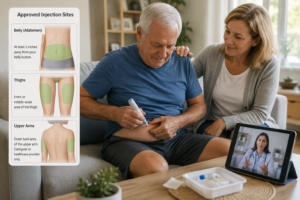
Updated product information this year clarified several safety considerations. Skin irritation remains the most common side effect, though usually mild. Caregivers can help reduce discomfort by rotating where the patch is placed and ensuring the old patch is removed before applying a new one.
Key reminders include:
- Only one patch should be worn at a time
- Rotate sites on the upper arm, back, or chest
- Monitor for redness that lasts more than a day
- Contact a clinician if irritation spreads beyond the patch area
Some regions reported temporary supply issues with specific patch strengths. Although limited geographically, these alerts are a good reminder to check pharmacy availability ahead of refills, especially during holiday or high-demand periods.
What This Means for Families Today
The rivastigmine patch continues to stand out as a dependable, kinder treatment option for Alzheimer’s symptoms. With fresh research confirming better comfort, updated safety guidance, and strong real-world support for easier caregiving, it remains a valuable choice for many families.
When challenges arise—such as skin irritation, dose adjustments, or difficulty obtaining a specific strength—care teams can help tailor the plan without interrupting care.