Paradoxical Lucidity – Clear Moments in Dementia
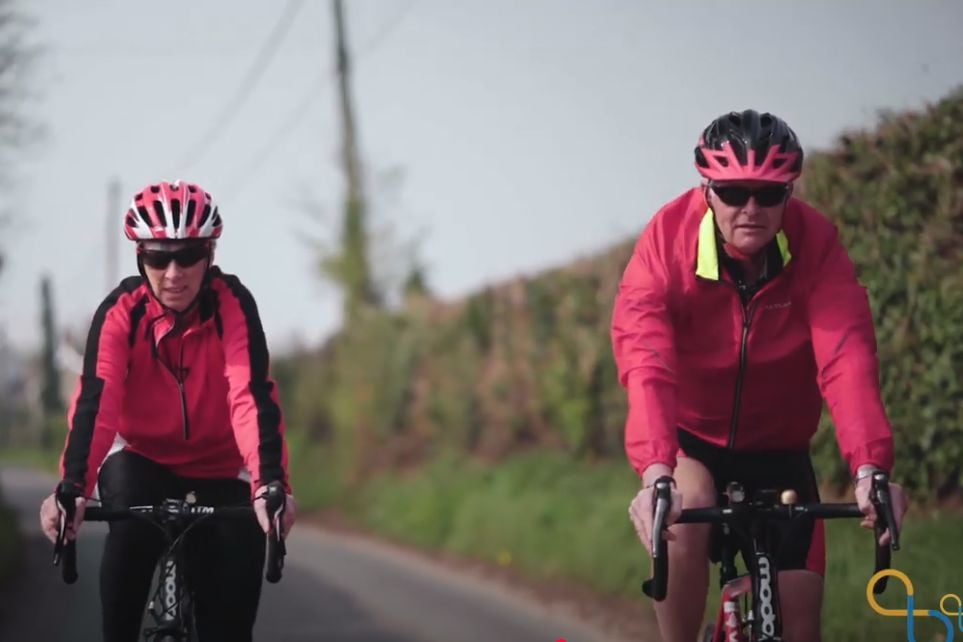
VIDEO + ARTICLE: It happens unexpectedly: a person unable to recall their past or even recognize loved ones, will suddenly wake up and exhibit surprisingly
VIDEO + ARTICLE: It happens unexpectedly: a person unable to recall their past or even recognize loved ones, will suddenly wake up and exhibit surprisingly
ETHICS VIDEO: 3 professors at the prestigious Stanford University Center for Ethics in Society share differing thoughts on respecting the autonomy of people with dementia,
DASHCAM VIDEO, TIPS + ARTICLE: See this police car’s dashcam video of a man with dementia zooming his BMW head-on towards it at highway speed.

ABUSE VIDEO + ARTICLE: Over the past decade, nursing homes increasingly “dumped” residents on hospitals, refusing them permission to return. There were no consequences. In

NEWS VIDEO + ARTICLE + SLEEP TIPS: Sleeplessness has just been shown to accelerate the spread of toxic clumps of Alzheimer’s tau. “Our brains need

NEWS VIDEO + ARTICLE: A HIGH-SALT-DIET impaired blood flow in the brain, causing dementia-like symptoms in the lab. Can lowering the ingestion of added-salt improve
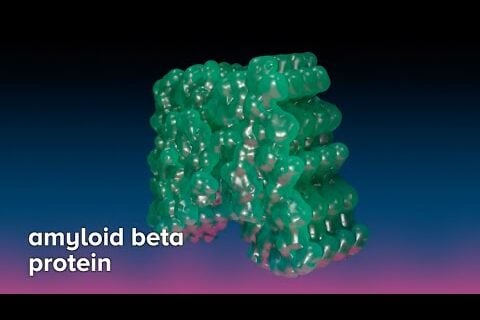
RESEARCH VIDEO + ARTICLE: Amyloid beta proteins can take on different formations when they group together, cauing neronal cell damage and inflamation. But it’s only
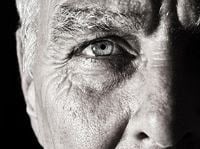
HOW QUICKLY your pupil dilates during cognitive tests can offer a low-cost, low-invasive screen for Alzheimer’s — even before the earliest signs. Learn how it
VIDEO + ARTICLE: Sleep is super important for the brain, but researchers have also discovered that blood flow in the brain capillaries is increased during
CARE, DRUGS & MOOD: A creative technique called “DICE” empowers caregivers, patients & professionals to work together and reduce dementia’s behavioral problems. Learn how it

Researchers find that a diet including more fruit, vegetables, beans and tea or coffee lowers the risk of developing dementia later in life. Learn more.
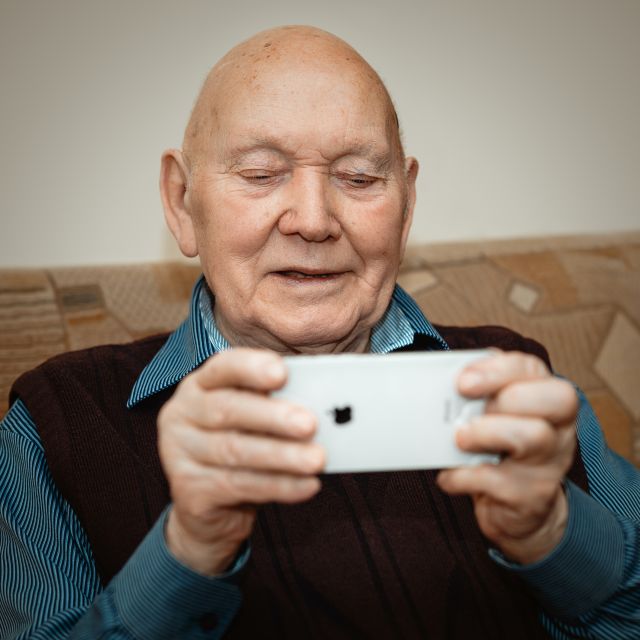
Researchers find education and intellectual stimulation appear to activate a genetic program in the brain that promotes resistance to cognitive decline. Find out more.

SOCIALIZING in your 50s and 60s strongly predicts less dementia later on. Learn why, from new research by University College London. See Ohio State University demonstrate how true it is, from animals to people.

Three important dementia studies focus on HS-AGING, a type of dementia almost as common as Alzheimer’s in the 85+ group. Yet few people have heard of it. Why? What makes it different?
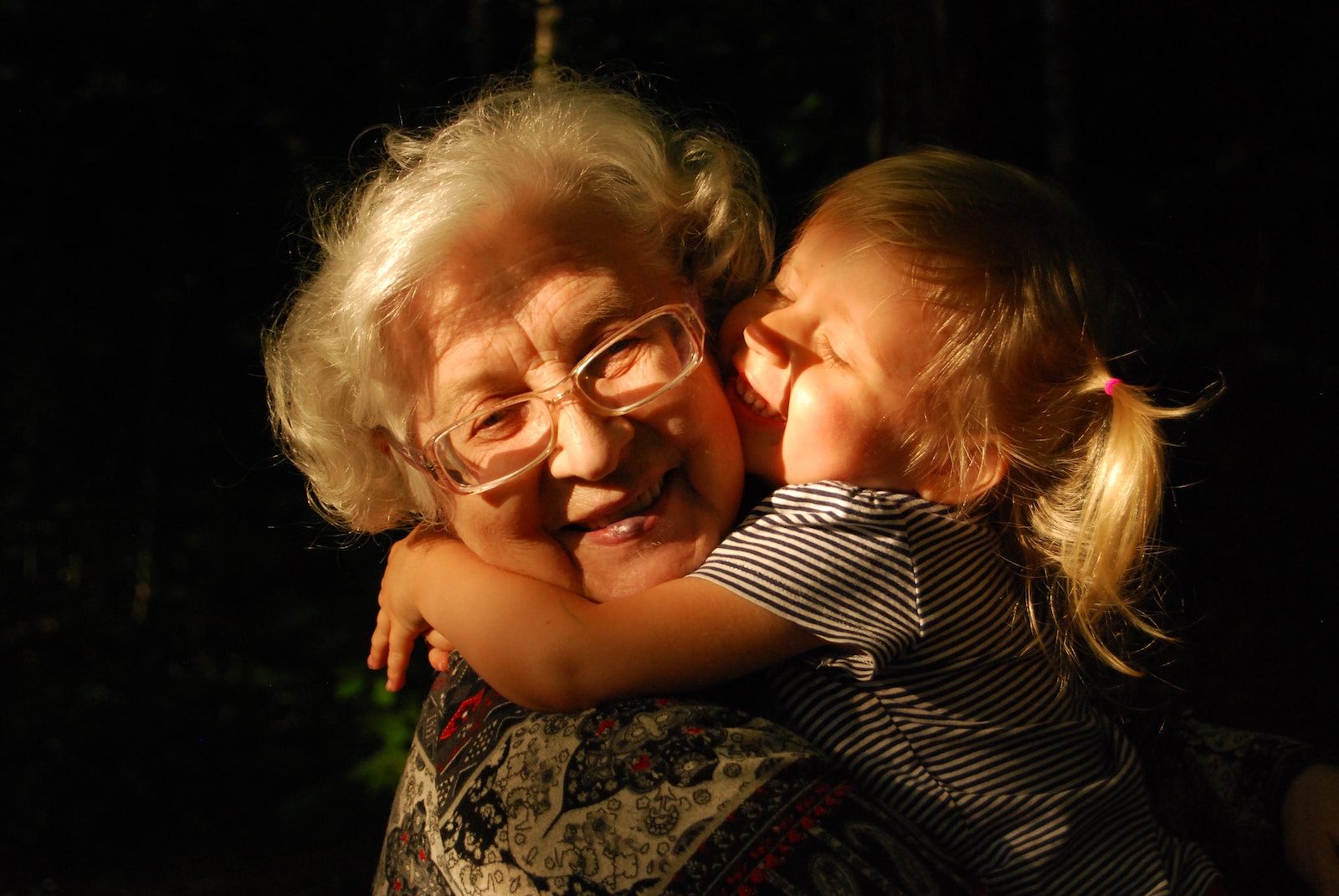
An intriguing study of 120 grandmothers might surprise you. Doctors know socially engaged people have better cognition and less dementia. But can a person get too much of a good thing? What’s the right balance?

Enjoy this great duet between a musician with dementia and his son. A triumph of spirit over Alzheimer’s! Sing-a-long if you like!
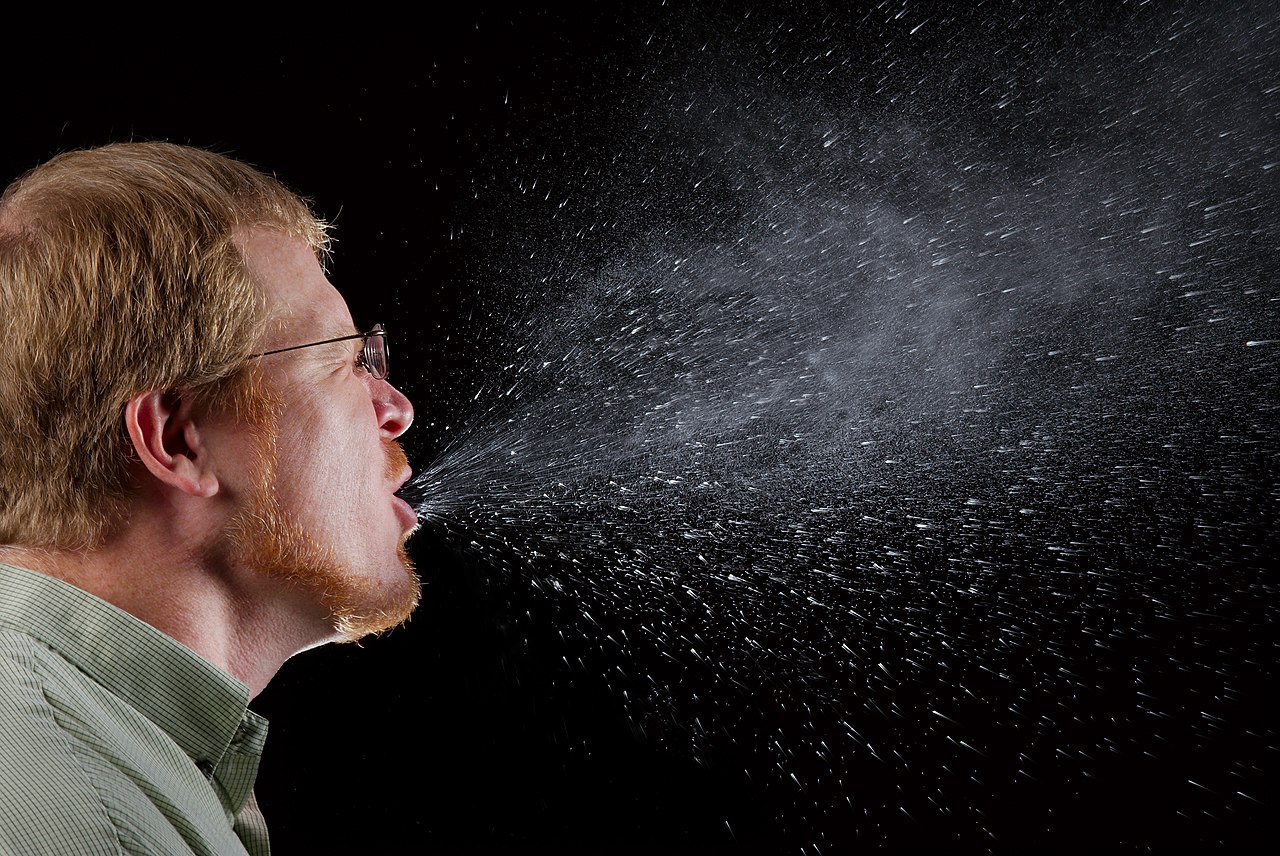
It looks like a sneeze cannot give anyone Alzheimer’s. While Alzheimer’s abnormal disease proteins do spread from cell-to-cell, they are not “infectious”. Check out the facts.