Mediterranean Diet Prevents Strokes by Blocking Bad Genes
DIET: Can a good diet make up for a bad gene? The Mediterranean Diet appears to do just that. Scientists studied the relationship between diet,
DIET: Can a good diet make up for a bad gene? The Mediterranean Diet appears to do just that. Scientists studied the relationship between diet,

PROGRESS: A key study shows an easing, in certain respects, of the harsh impact of dementia. On average, people seem to be developing dementia later

RESEARCH ARTICLE + VIDEO: People who receive at least one influenza vaccine are 40% less likely than their non-vaccinated peers to develop Alzheimer’s disease, researchers

VIDEO: See the good energy music adds to families living with Alzheimer’s. Learn how music brings a fresh lift every day.

HELP FROM THE PHARMACY: Study reveals patients need help managing drugs Community pharmacists could be used more to support patients and carers Assisting carers reduces

SEMINAR VIDEO: Everything you wanted to know about treating dementia with Lewy Bodies, in clear terms, by leading expert Dr. Geoff Kerchner, MD, PhD, Neurologist

CAN YOU DIAGNOSE YOURSELF? An important study suggests that self-reported memory complaints might predict clinical memory impairment later in life.

DIAGNOSIS: L.A.T.E. Dementia is important because it affects millions of people, approximately 40% of people over the age of 85. How is it recognized? What makes it different?

DIET RESEARCH VIDEO + ARTICLE: B vitamins protect the brain and lower Alzheimer’s risk. How do they work? See which ones are best for various

ACTIVITIES FOR ANY DAY – 6 HEALTHY TIPS to help you stay active with Alzheimer’s, along with physical activities to do.
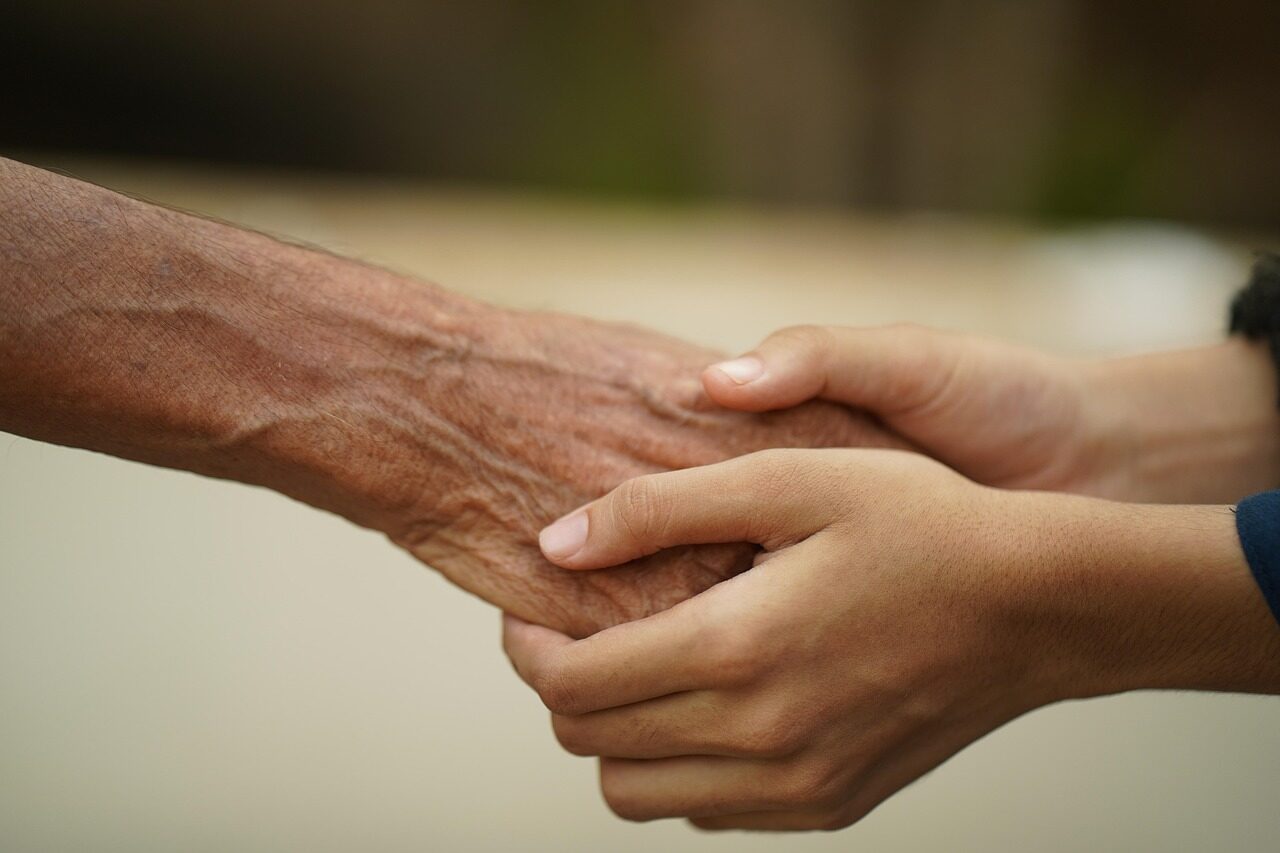
TEEPA SNOW: EXPLORE how touch has a profound impact on human connection in dementia care, with Teepa Snow, MS, OTR/L. Teepa shares why physical contact is vital and how there are different reactions to touch and need for touch. Discover the importance of understanding surprising reactions from people with dementia.

Lewis Hornby had a problem: his grandmother with dementia wasn’t drinking enough, causing her to get severely dehydrated.

Don’t just be good to others, Be good to yourself, too.

Three important dementia studies focus on HS-AGING, a type of dementia almost as common as Alzheimer’s in the 85+ group. Yet few people have heard of it. Why? What makes it different?
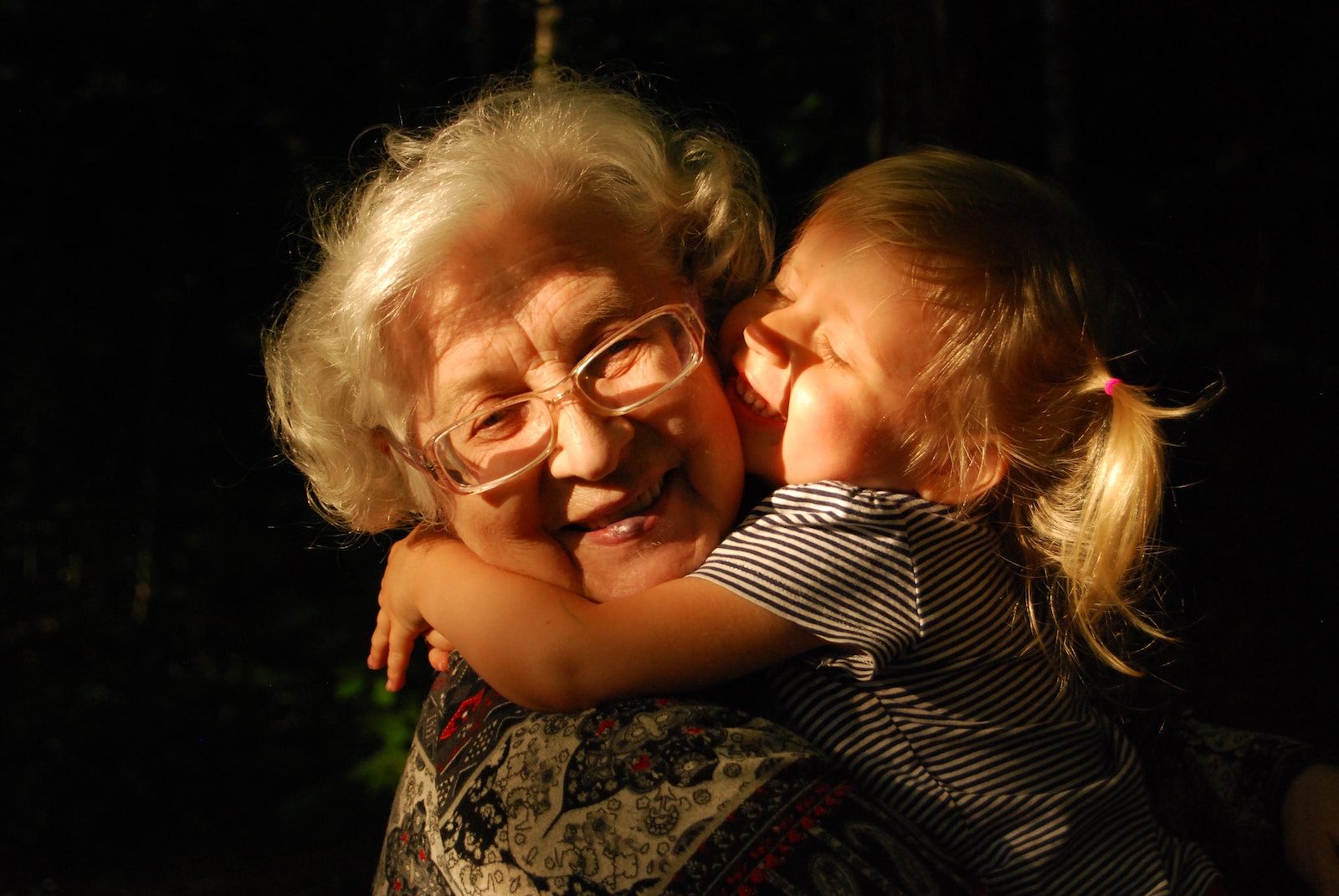
An intriguing study of 120 grandmothers might surprise you. Doctors know socially engaged people have better cognition and less dementia. But can a person get too much of a good thing? What’s the right balance?

Enjoy this great duet between a musician with dementia and his son. A triumph of spirit over Alzheimer’s! Sing-a-long if you like!
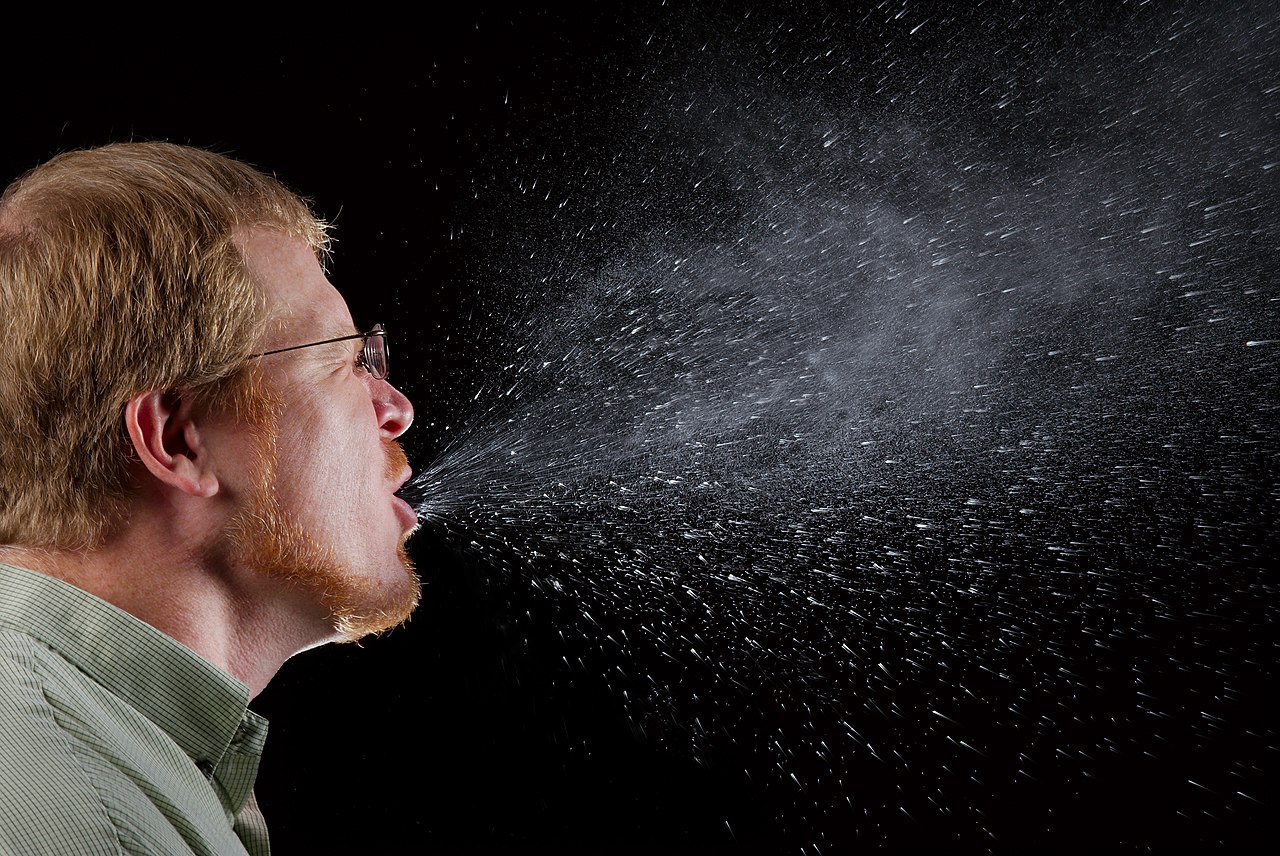
It looks like a sneeze cannot give anyone Alzheimer’s. While Alzheimer’s abnormal disease proteins do spread from cell-to-cell, they are not “infectious”. Check out the facts.