Worm Wiggles Suggest Vitamin B12 Fights Alzheimer’s
RESEARCH: Worms in the lab lose their wiggle when they have Alzheimer’s. But researchers found the Vitamin B12-deficient worms kept their wiggle when the deficit
RESEARCH: Worms in the lab lose their wiggle when they have Alzheimer’s. But researchers found the Vitamin B12-deficient worms kept their wiggle when the deficit

RESEARCH: Researchers say that a drug commonly used to treat cancer can restore memory and cognitive function in mice with symptoms of Alzheimer’s. Learn more.

VIDEO + ARTICLE: A study at UC San Francisco has found the odds of cognitive impairment are substantially higher for people with elevated depressive symptoms

RISK ASSESSMENT VIDEO + ARTICLE: A substantial proportion of brain changes might be due to risk factors that can be modified, according to a study

Having trouble sleeping? You’re not alone. But a group of federal agencies have provided new resources to help. Learn more.

BREAKTHROUGH: The US Food and Drug Administration (FDA) has granted a “Breakthrough Therapy” designation for donanemab, a potential new treatment for people with early symptomatic
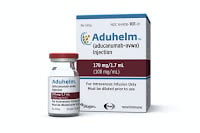
BREAKTHROUGH & TREATMENT: The new Alzheimer’s drug aducanumabab (Aduhelm) has received accelerated approval by the US Food and Drug Administration. Why did it take so

DIAGNOSIS: The PrecivityAD™ blood test accurately and reliably detected brain amyloid on a single blood sample. Intended for people with memory and thinking issues, the

WEBINAR: You are cordially invited to a conversation with Dr. David Holtzman about his PrecivityAD groundbreaking new blood test to aid in the diagnosis of

TEEPA VIDEO: How do I stay protected from Coronavirus, when caring for a physically healthy person with dementia? Physical contact is unavoidable — forget 6

VIDEO & ARTICLE – CARE TIPS:
This season is filled with family and friends, laughter and reminiscing. Learn ways to prevent dementia’s stress, frustration, and loneliness. Fill the holiday with joy.

A simple voice-based AI companion is offering gentle conversation and emotional support for people living with Alzheimer’s and dementia — no apps, no screens, and no tech skills required.
A twice-daily pill called ALZ-801 brings new hope to high-genetic-risk Alzheimer’s. Early findings suggest meaningful slowing of decline, stronger safety, and brain structure protection.

Three important dementia studies focus on HS-AGING, a type of dementia almost as common as Alzheimer’s in the 85+ group. Yet few people have heard of it. Why? What makes it different?

An intriguing study of 120 grandmothers might surprise you. Doctors know socially engaged people have better cognition and less dementia. But can a person get too much of a good thing? What’s the right balance?

Enjoy this great duet between a musician with dementia and his son. A triumph of spirit over Alzheimer’s! Sing-a-long if you like!
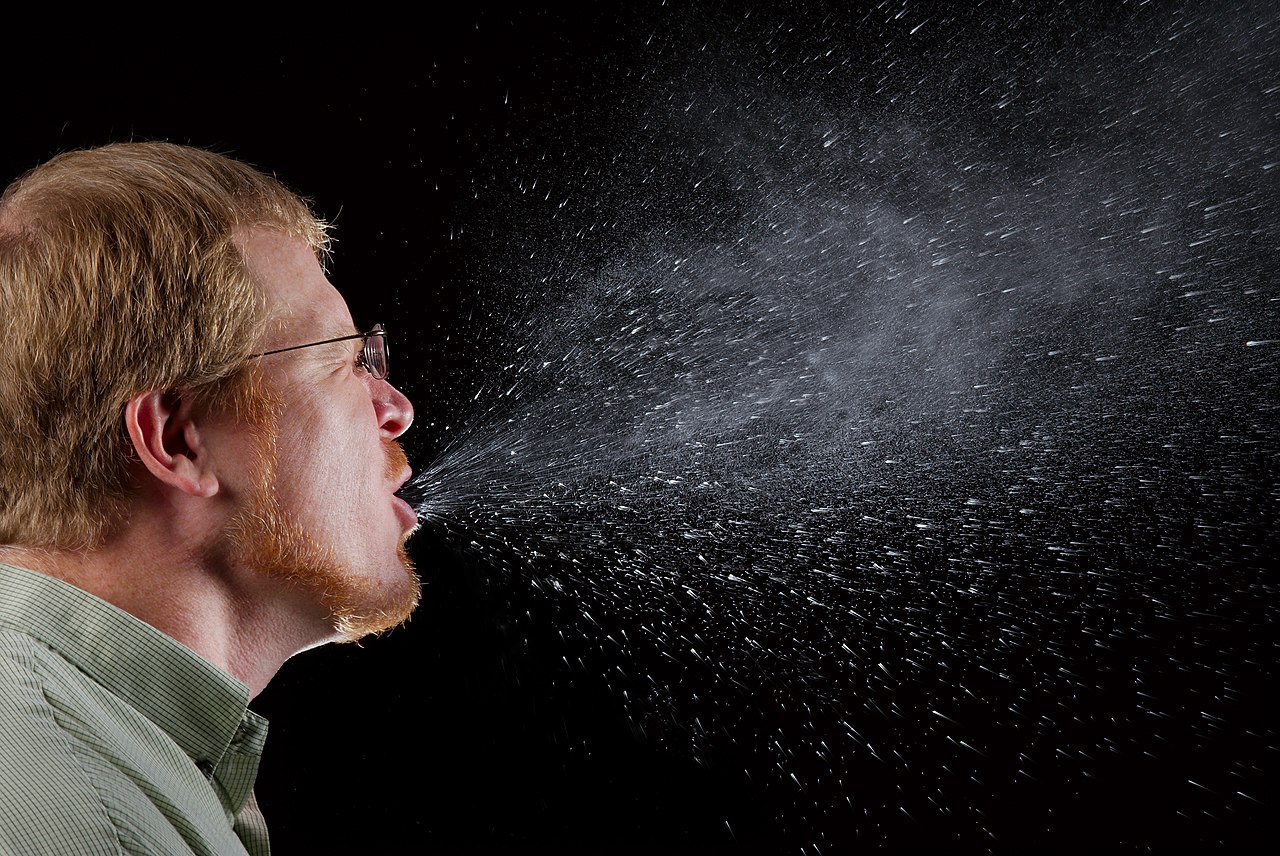
It looks like a sneeze cannot give anyone Alzheimer’s. While Alzheimer’s abnormal disease proteins do spread from cell-to-cell, they are not “infectious”. Check out the facts.