
Breakthrough Blocks Alzheimer’s Gene
GENETIC PROGRESS: Apoe4 genes increase Alzheimer’s risk by 10 times. UT Southwestern researchers succeeded in neutralizing important gene effects. The breakthrough opens doors to developing
GENETIC PROGRESS: Apoe4 genes increase Alzheimer’s risk by 10 times. UT Southwestern researchers succeeded in neutralizing important gene effects. The breakthrough opens doors to developing

MEDICATION: The most common drug for Alzheimer’s also increases bone mass in mice. Find out what this means for people with dementia in fear of bone

VIDEO + ARTICLE + APPS: RESEARCHERS in Australia found most people who used hearing aids significantly improved the ability to plan, organize information and initiate

A GREAT DENTAL resource provides low-cost programs for American seniors. Also check out the website’s free “how to” guide for communities.

PROFESSIONALS – VIDEO: Doctors, nurses and caregivers must work together to diagnose Alzheimer’s. There simply is no one-stop test. Even after considering signs and symptoms,
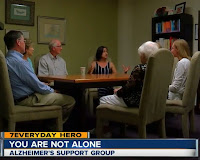
CAREGIVING VIDEO: Linda Rankin is an everyday hero. She leads an Alzheimer’s Care-partner support group. See why caregivers love it.

MEDICATION PROGRESS – VIDEO & ARTICLE: Chinese researchers are now using seaweed sugar to tackle Alzheimer’s. Read on to learn how Oligomannate, the first treatment

VIDEO + ARTICLE: An experimental drug produced by Annovis has received its generic name following successful completion of its Phase II trials. Buntanetap is intended

TEDx CARE VIDEO: Is caregiving an honor or a burden? A great call-of-duty or a heavy sense of obligation? Does it really matter? See research
DIAGNOSIS RESEARCH – VIDEO & ARTICLE: A simple experimental blood test reliably detects signs of brain damage in people on the path to developing Alzheimer’s

Leqembi is one of the first Alzheimer’s treatments proven to slow decline. A new MRI study helps explain what it can—and cannot—do in the brain’s early months, offering clearer expectations for caregivers.
Although it is hard to think beyond “today” after a diagnosis of dementia, it’s really important to look ahead. Taking steps to plan for the future will make “tomorrow” smoother.

A few thousand steps a day could mean years more of clear thinking. Learn how walking supports brain health, slows Alzheimer’s, and boosts mood in one simple, natural way.

Three important dementia studies focus on HS-AGING, a type of dementia almost as common as Alzheimer’s in the 85+ group. Yet few people have heard of it. Why? What makes it different?
An intriguing study of 120 grandmothers might surprise you. Doctors know socially engaged people have better cognition and less dementia. But can a person get too much of a good thing? What’s the right balance?

Enjoy this great duet between a musician with dementia and his son. A triumph of spirit over Alzheimer’s! Sing-a-long if you like!

It looks like a sneeze cannot give anyone Alzheimer’s. While Alzheimer’s abnormal disease proteins do spread from cell-to-cell, they are not “infectious”. Check out the facts.