One Man with Alzheimer’s at the G8 Dementia Summit
VIDEO The recent G8 Dementia Summit joined nations in committing resources to find a cure. One man with Alzheimer’s dementia was at the summit looking
VIDEO The recent G8 Dementia Summit joined nations in committing resources to find a cure. One man with Alzheimer’s dementia was at the summit looking

International researchers pinpointed a rare coding variation in the Phospholipase D3 (PLD3) gene which is more common in people with late-onset Alzheimer’s than non-sufferers. Find

VIDEO The world’s leading nations have joined forces and set an ambitious target of curing dementia by 2025. See what happened at the International G8
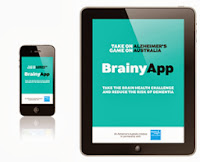
VIDEO & ARTICLE BrainyApp enhances brain & heart health. See how it helps reduce the risk of developing dementia. Download a free copy to your

VIDEO + ARTICLE On December 11, London will host an international dementia summit. Health & science ministers, world experts and senior industry figures will work

VIDEO & ARTICLE Lundbeck and the Hereditary Disease Foundation announced the launch of the fourth annual Build Hope for HD initiative. To trigger a donation

VIDEO & IN-DEPTH ARTICLE The largest fine in the history of prescribing antipsychotic drugs to dementia patients was handed down by The Department of Justice.

VIDEO & IN-DEPTH ARTICLE The world’s 4 largest international Alzheimer’s genetic consortiums have joined forces. The goal? To win the war on Alzheimer’s. Since joining
Memory concerns? Interested in learning about brain health? Take part in this week’s 10th annual National Memory Screening Day.

ON AMAZON.COM People with dementia are comfortable with traditional telephones. At the same time, today’s smartphones are helpful to people with dementia in so many

Got enough sunshine? Learn how sunshine seems to offer a bright, simple way to lower your risk of dementia.

Strength is not in our muscles. It is in our soul and spirit.
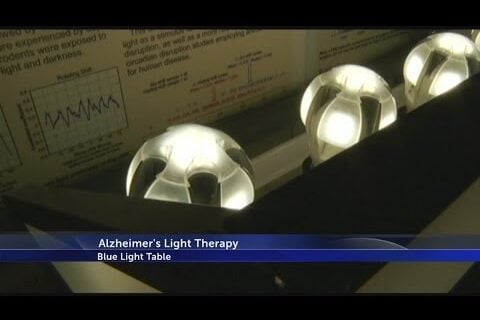
Lighting affects how people feel. The right light reduces agitation and improves mood in people with dementia.

Three important dementia studies focus on HS-AGING, a type of dementia almost as common as Alzheimer’s in the 85+ group. Yet few people have heard of it. Why? What makes it different?
An intriguing study of 120 grandmothers might surprise you. Doctors know socially engaged people have better cognition and less dementia. But can a person get too much of a good thing? What’s the right balance?

Enjoy this great duet between a musician with dementia and his son. A triumph of spirit over Alzheimer’s! Sing-a-long if you like!

It looks like a sneeze cannot give anyone Alzheimer’s. While Alzheimer’s abnormal disease proteins do spread from cell-to-cell, they are not “infectious”. Check out the facts.