4 Studies Zoom In On Bexarotene for Alzheimer’s
RADIO & ARTICLE Hear Ronald Peterson, head of the U.S. government’s National Alzheimer’s Project Act, explore the results of 4 new studies on bexarotene (Brand
RADIO & ARTICLE Hear Ronald Peterson, head of the U.S. government’s National Alzheimer’s Project Act, explore the results of 4 new studies on bexarotene (Brand

VIDEO Kathy Sanford is the first person in the USA to have a pacemaker implanted in her brain to treat Alzheimer’s. The pacemaker sends electronic

Dr. Francis Collins, director of the National Institutes of Health (NIH), just gave Americans a dose of good news on Alzheimer’s research. Find out what

Targacept is taking a confident approach in its latest clinical trial. Rather than pitting their new Alzheimer’s drug against a placebo, they are putting it
VIDEO & ARTICLE Bexarotene is an FDA-approved anti-cancer drug available under the brand name Targretin®. It clears Alzheimer’s biomarkers in mice like a charm. See
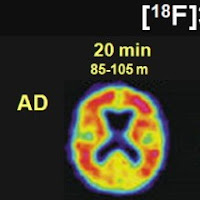
GE has new F18 technology to detect Alzheimer’s plaque. It lets doctors see “how much” Alzheimer’s a person has. Eisai (maker of Aricept®) is working

ARTICLE ON TRACERS + VIDEO ON TAU 2 new PET tracers promise to change the face of diagnosing and researching dementias such as Alzheimer’s. Learn how

VIDEO+INFO Exercise is the #1 way to fight dementias such as Alzheimer’s. But how does one keep exercising while aging? Get inspired to get moving

VIDEO & ARTICLE New Rand research shows 75% of dementia costs are from at-home or nursing-home care. Often reaching $70,000 a year, watch medical correspondent

VIDEO See how NAPA (National Alzheimer’s Project Act) legislation is galvanizing U.S. efforts to combat Alzheimer’s and related dementias. Learn how it supports patients and

Teresa Youngstrom is a registered nurse. She offers a quick tip for caregivers, friends and family when visiting or living with someone with dementia to help smooth the way. Watch now.
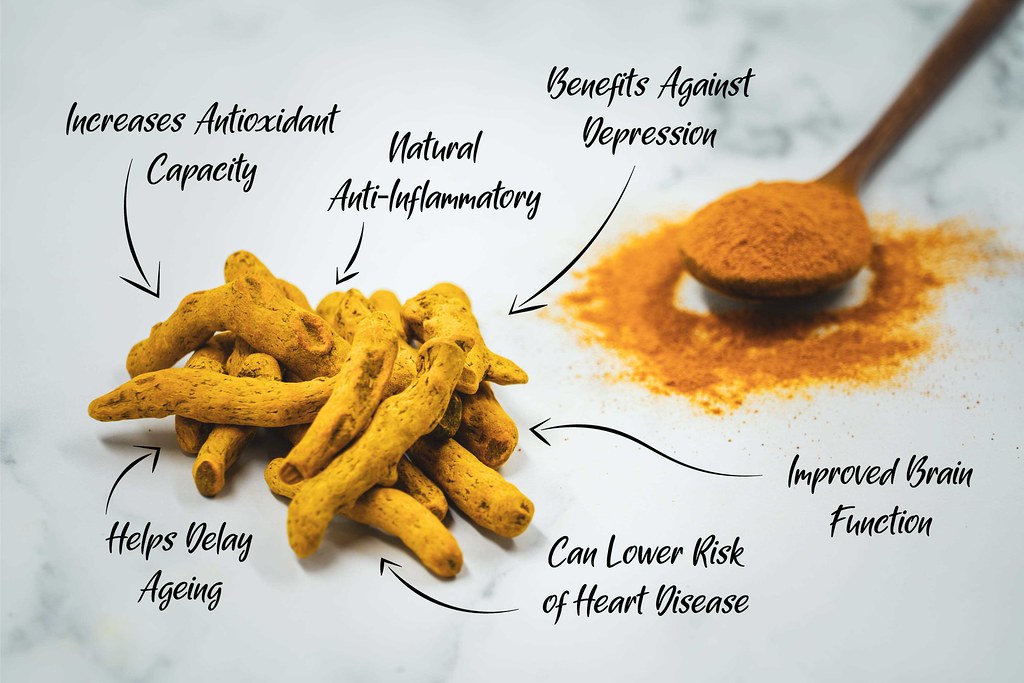
Australian researchers show nanoparticles that contain curcumin, from turmeric, not only prevent cognitive deterioration, but also reverse the damage. Find out more about this exciting development.
Dr. Rudy Tanzi is Professor of Neurology at Harvard Medical and Director of McCance Center for Brain Health. Based on 3 decades of his research, learn how CogniSHIELD uniquely protects against amyloid, inflammation and Alzheimer’s.

Three important dementia studies focus on HS-AGING, a type of dementia almost as common as Alzheimer’s in the 85+ group. Yet few people have heard of it. Why? What makes it different?

An intriguing study of 120 grandmothers might surprise you. Doctors know socially engaged people have better cognition and less dementia. But can a person get too much of a good thing? What’s the right balance?

Enjoy this great duet between a musician with dementia and his son. A triumph of spirit over Alzheimer’s! Sing-a-long if you like!

It looks like a sneeze cannot give anyone Alzheimer’s. While Alzheimer’s abnormal disease proteins do spread from cell-to-cell, they are not “infectious”. Check out the facts.