I Will Remind You
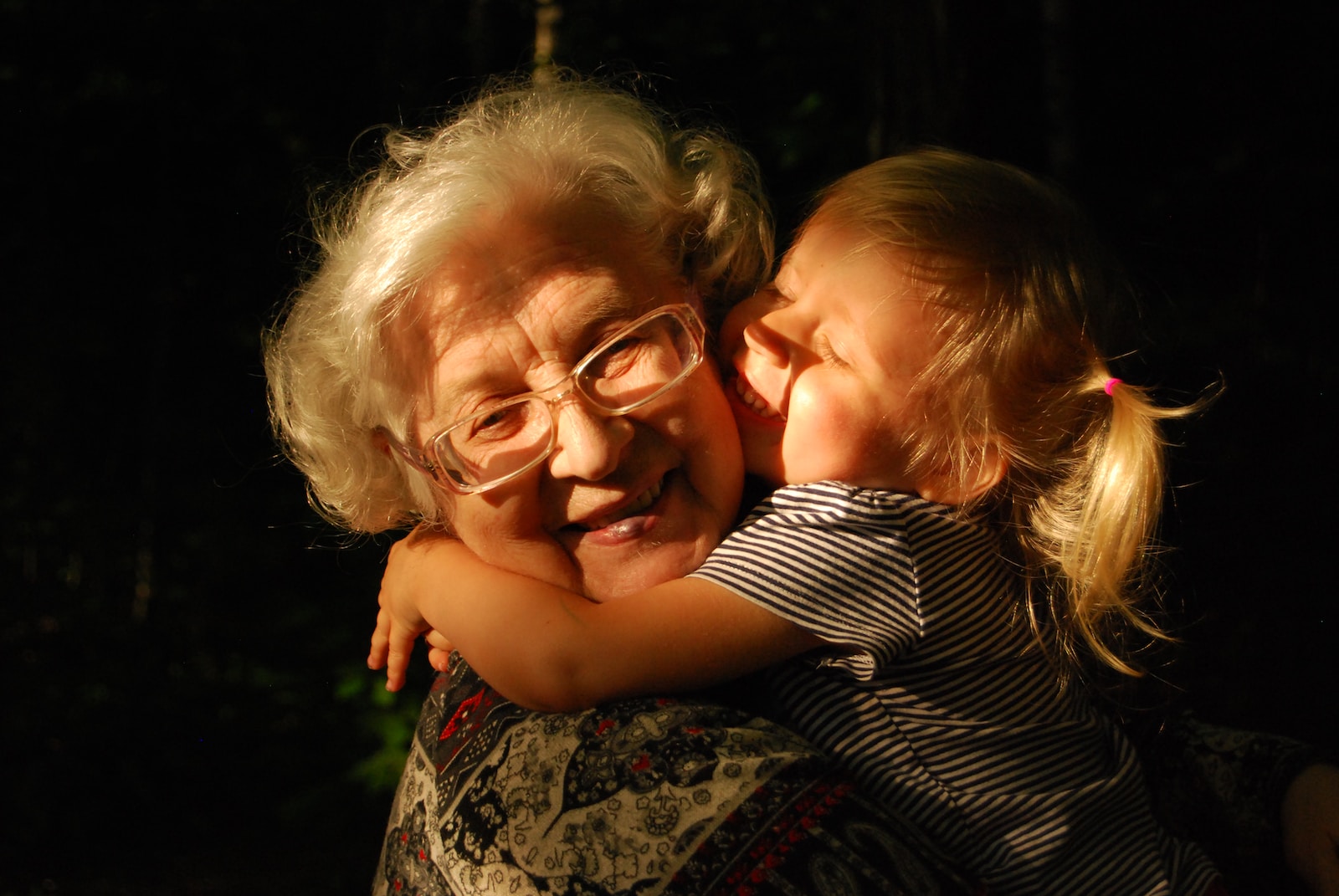
A deep promise to be there for an Alzheimer’s parent, this heartwarming song was written as a tribute to families facing dementia.

A deep promise to be there for an Alzheimer’s parent, this heartwarming song was written as a tribute to families facing dementia.

EMERGENCIES due to falling happen 54% more often in dementia. As a rule, 1-in-3 adults over 65 fall each year. Most falls happen at home. Make a few simple changes and prevent falls.

Researchers find that a diet including more fruit, vegetables, beans and tea or coffee lowers the risk of developing dementia later in life. Learn more.

Researchers find education and intellectual stimulation appear to activate a genetic program in the brain that promotes resistance to cognitive decline. Find out more.

SOCIALIZING in your 50s and 60s strongly predicts less dementia later on. Learn why, from new research by University College London. See Ohio State University demonstrate how true it is, from animals to people.

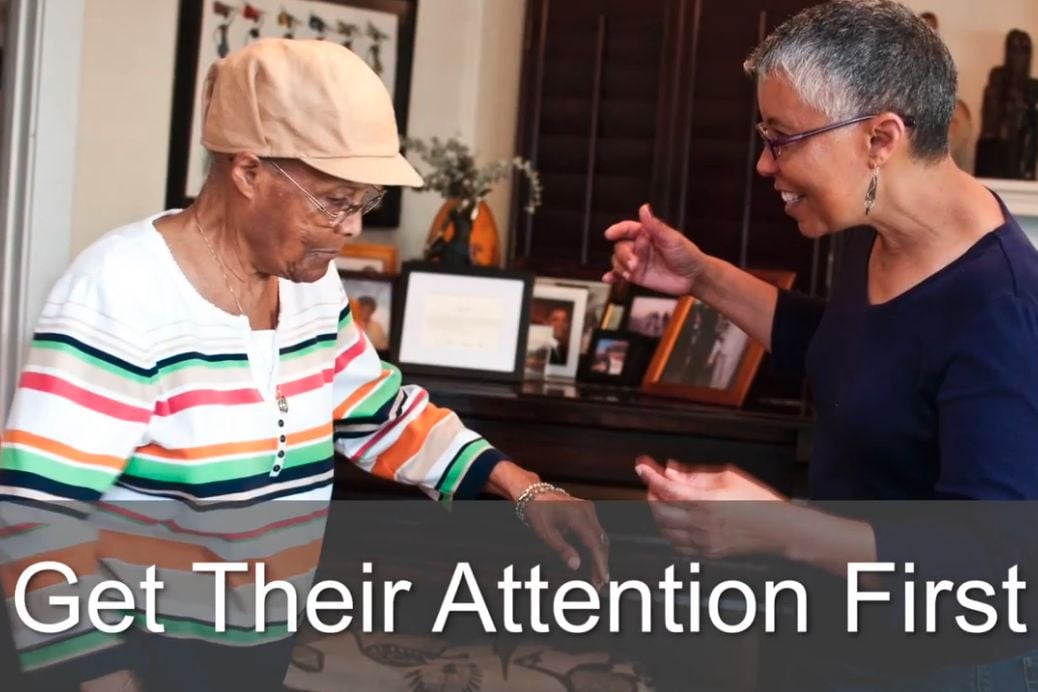
In the most difficult moments, Kindness heals and reassures.

Why early warning signs matter more than most people realize.

Hospital stays with dementia should focus on elder safety. See a special ER for seniors, equipped with brilliant features that speed comfort and care to this population.

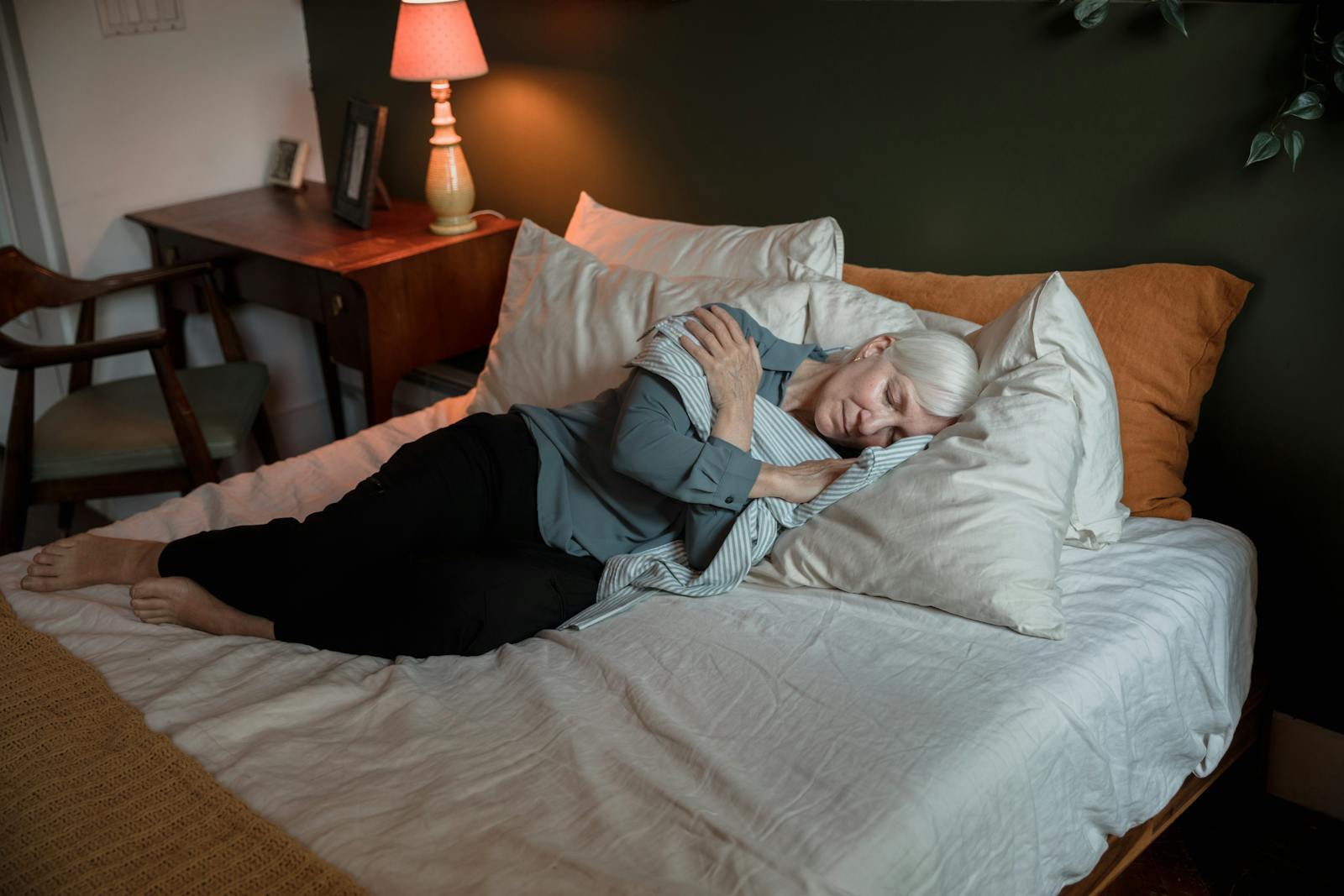
Too much sleep and too little sleep can contribute to cognitive decline, researchers report. Learn more.

New early-onset Alzheimer’s data show that lecanemab can slow functional decline—even while tau continues to spread in the brain. The research helps explain how amyloid-lowering treatments may still preserve daily life, despite the disease’s complexity.

Triheptanoin is available as a supplement or by prescription. A series of studies suggest it improves brain energy metabolism for people with Huntington’s disease. Learn how.

VIDEO & TRANSCRIPT: Caregiving is loving, yet frustrations can trigger guilt. See Dr. Peter Rabins, author of the #1 dementia book “The 36 Hour Day,” share healthy ways to heal caregiver guilt.

SUGAR raises diabetes AND dementia risk. Will research into the hormone “amylin” reveal the reason why?

Three important dementia studies focus on HS-AGING, a type of dementia almost as common as Alzheimer’s in the 85+ group. Yet few people have heard of it. Why? What makes it different?

An intriguing study of 120 grandmothers might surprise you. Doctors know socially engaged people have better cognition and less dementia. But can a person get too much of a good thing? What’s the right balance?

Enjoy this great duet between a musician with dementia and his son. A triumph of spirit over Alzheimer’s! Sing-a-long if you like!

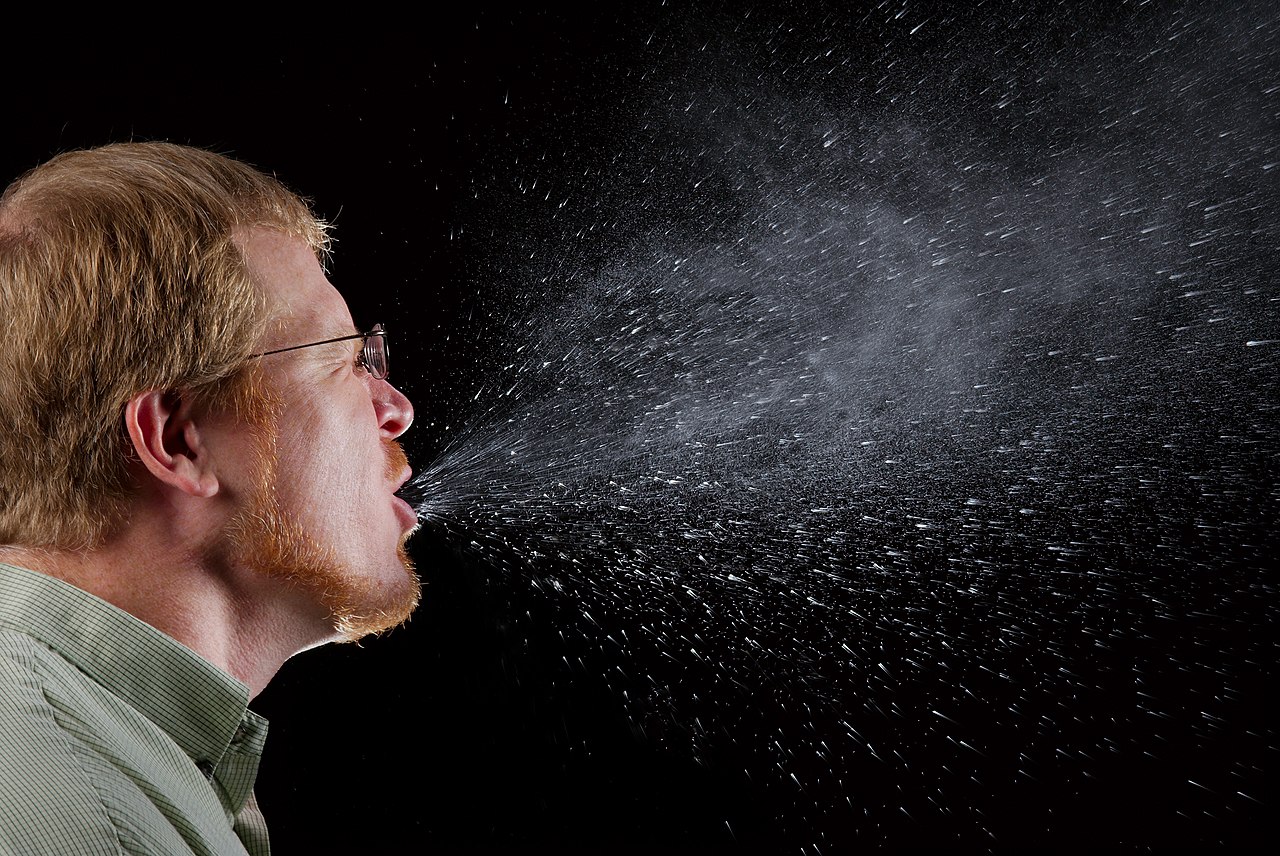
It looks like a sneeze cannot give anyone Alzheimer’s. While Alzheimer’s abnormal disease proteins do spread from cell-to-cell, they are not “infectious”. Check out the facts.
No spam, only news and updates.


We use cookies and similar technologies to improve your experience, understand how our content is used, and support relevant advertising that helps keep Alzheimer’s Weekly free to readers. You can choose to accept, deny, or manage your preferences at any time. Declining certain cookies may affect features such as embedded videos, comments, and personalized advertising.