Adding Meaningfully Beautiful Moments to Dementia
Bringing art and creativity into elder care settings helps families reconnect with loved ones who have dementia. In this moving talk, Anne Bastings shares how.
Bringing art and creativity into elder care settings helps families reconnect with loved ones who have dementia. In this moving talk, Anne Bastings shares how.

When a hurricane hits Florida — or anywhere that has a very large population of people with dementia, there are special preparations that should be made by those living with dementia. Check these dementia-in-a-storm readiness lists.
In gardening, people with Alzheimer’s grow fresh plants along with better thinking. It’s a pleasant way to make things easier.

The co-founder of a caregivers’ organization introduces technology he has found helpful in caring for his grandmother with dementia.

New research reveals that Leqembi’s Fc region switches on microglia — the brain’s immune cells — helping them clear toxic amyloid. Here’s why that mechanism matters for treatment and safety.
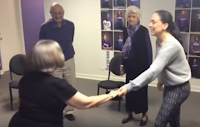
People with dementia are enjoying yoga and dance classes at the Alzheimer’s Association. See why caregivers find the classes “EXTREMELY helpful.”
The antidepressant drug citalopram, also sold under the brand names Celexa and Cipramil, significantly relieves agitation in Alzheimer’s. Learn about the benefits and side-effects.
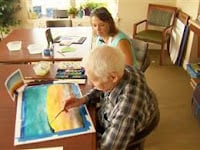
The brush strokes are precise, the colors vibrant. See a Colorado art program help patients rise above dementia, while the paintings raise money for The Alzheimer’s Association.
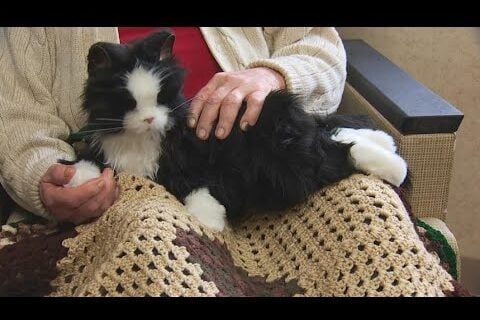
Researchers in Florida find that robotic pet cats improve mood, behavior and cognition in older adults with mild to moderate dementia. Find out more.

The protein BDNF builds synapses in the human brain, nurturing brain cells and fighting off dementia. While there is no artificial way of boosting it, social and cognitive activity can.

“Alzheimer’s Sheds” offer productive activities in early-stage dementia. See one run by Alzheimer’s Australia NSW and the Australian Men’s Shed Association. See it reduce social isolation, while contributing to the community.

Can something as simple as a good night’s sleep help prevent and even slow down Alzheimer’s?

Eligible patients can now begin Leqembi treatment at home, potentially reducing repeated infusion-center visits while preserving essential medical supervision and safety monitoring.

Three important dementia studies focus on HS-AGING, a type of dementia almost as common as Alzheimer’s in the 85+ group. Yet few people have heard of it. Why? What makes it different?
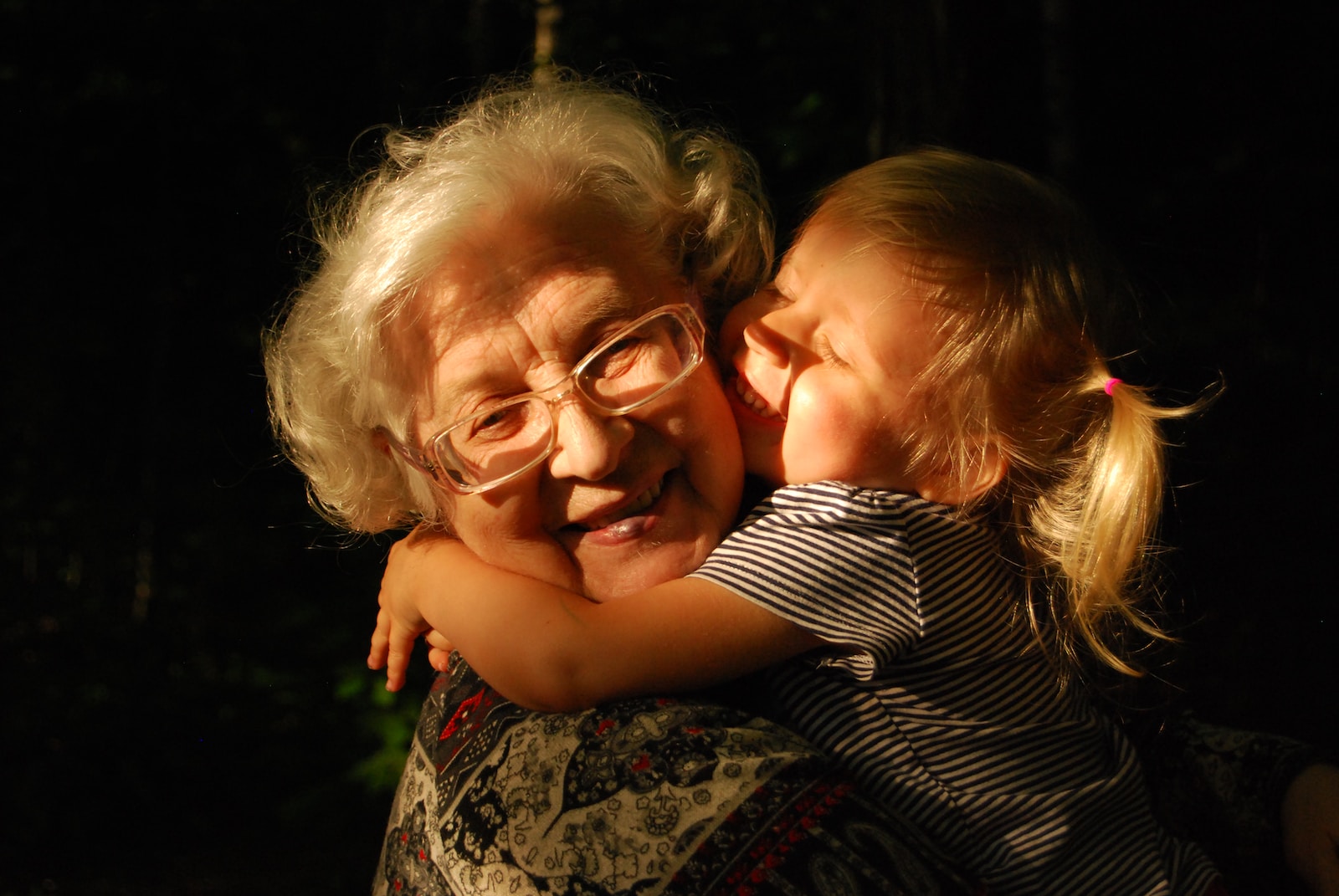
An intriguing study of 120 grandmothers might surprise you. Doctors know socially engaged people have better cognition and less dementia. But can a person get too much of a good thing? What’s the right balance?

Enjoy this great duet between a musician with dementia and his son. A triumph of spirit over Alzheimer’s! Sing-a-long if you like!

It looks like a sneeze cannot give anyone Alzheimer’s. While Alzheimer’s abnormal disease proteins do spread from cell-to-cell, they are not “infectious”. Check out the facts.