Caring for Vascular Dementia
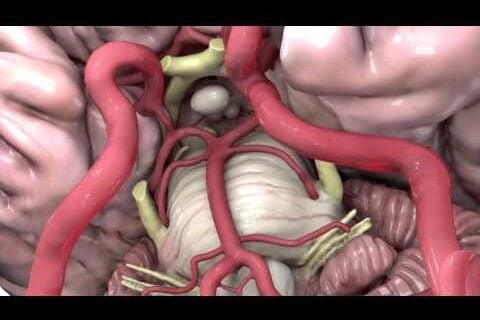
TEEPA SNOW CARE VIDEO: Vascular dementia poses unique challenges to caregivers. Learn how vascular dementia differs from Alzheimer’s. See how to make life better, both for you and the one for whom you care.

TEEPA SNOW CARE VIDEO: Vascular dementia poses unique challenges to caregivers. Learn how vascular dementia differs from Alzheimer’s. See how to make life better, both for you and the one for whom you care.

People with dementia deserve dignity and have rights. Where do we draw the line between encouraging personal choices versus following what caregivers think is best? See Dr. Murray Raskin & Dr. Linda Teri offer experienced tips.

Heavy drinkers who have eight or more alcoholic drinks per week have increased risk of brain lesions called hyaline arteriolosclerosis, signs of brain injury that are associated with memory and thinking problems, according to a new study.

A University of California at Davis study examines how connection, through activities with horses, improves life with dementia.

Courage does not always roar.
Sometimes it is a quiet voice at the end of the day saying,
“I will try again tomorrow.”

Why can vision loss come before memory loss in 10% of Alzheimer’s? A new study shows Posterior Cortical Atrophy (PCA), a type of Alzheimer’s, distributes proteins differently.

VIDEO: Vascular neglect triggers Alzheimer’s decades before symptoms appear. See how to use that knowledge to lower risk and slow its advance.

See how living with dementia can be a full and meaningful life, in this Virginia Film Festival movie. Watch innovative approaches in memory care communities that improve the well-being of residents.

Twenty percent of people over 65 have mild memory and thinking problems that don’t interfere with day-to-day life. Doctors call this MCI, short for Mild Cognitive Impairment. Find out more about what it is and what to do about it.

FREE DOWNLOAD: This booklet is rich with care practices based on research by highly-credentialed investigators.

People with dementia who were consistently seen by the same General Practitioner (GP) are given fewer medicines and are less likely to be given medicines that can cause problems, according to researchers at University of Exeter. Learn more.

Amyloid is one of the leading culprits behind Alzheimer’s. Scientists know it damages memory by killing brain cells. Now research reveals how amyloid triggers memory loss in perfectly healthy brain cells as well. Learn more about how Alzheimer’s develops.

Getting out into the fresh air and taking a walk does good things for your brain and well-being, researchers say.

An intriguing study of 120 grandmothers might surprise you. Doctors know socially engaged people have better cognition and less dementia. But can a person get too much of a good thing? What’s the right balance?

Enjoy this great duet between a musician with dementia and his son. A triumph of spirit over Alzheimer’s! Sing-a-long if you like!

It looks like a sneeze cannot give anyone Alzheimer’s. While Alzheimer’s abnormal disease proteins do spread from cell-to-cell, they are not “infectious”. Check out the facts.

TEEPA CARE VIDEO: Learn about Alzheimer’s 6 stages. Teepa Snow shows what to expect, while keeping the focus on the person for whom you care.
No spam, only news and updates.


We use cookies and similar technologies to improve your experience, understand how our content is used, and support relevant advertising that helps keep Alzheimer’s Weekly free to readers. You can choose to accept, deny, or manage your preferences at any time. Declining certain cookies may affect features such as embedded videos, comments, and personalized advertising.