
UCLA: Memory-Mood Boosted by Curcumin Despite Aging
The spice turmeric contains curcumin. In a UCLA study, curcumin significantly improved memory and mildly improved mood in people with memory problems.
The spice turmeric contains curcumin. In a UCLA study, curcumin significantly improved memory and mildly improved mood in people with memory problems.
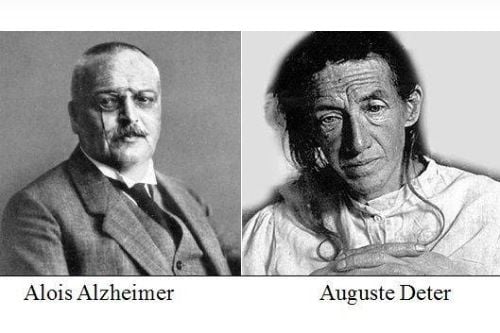
“She said, ‘I have lost myself.’ How did Doctor Alzheimer discover the heartbreaking disease of memory loss that bears his name?

What are the early symptoms of Alzheimer’s? When to get a professional evaluation.
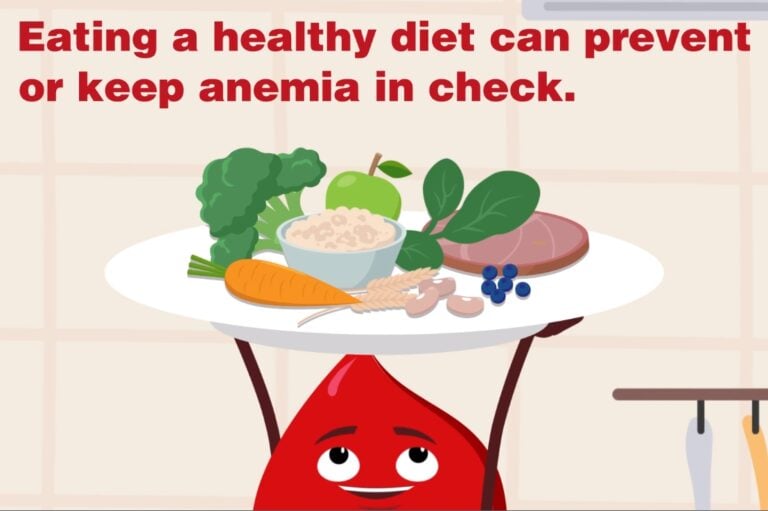
Anemia (low level of red blood cells) can increase dementia risk 41%. You can do something about it. Learn what it takes.

This video is a tribute to superstar Glen Campbell. See him share his personal Alzheimer’s journey with his intensely beautiful Alzheimer’s song.

The tendency of Alzheimer’s patients to sleep throughout the day is not due to nighttime insomnia — it has to do with the degeneration of a type of neuron, according to a research study.
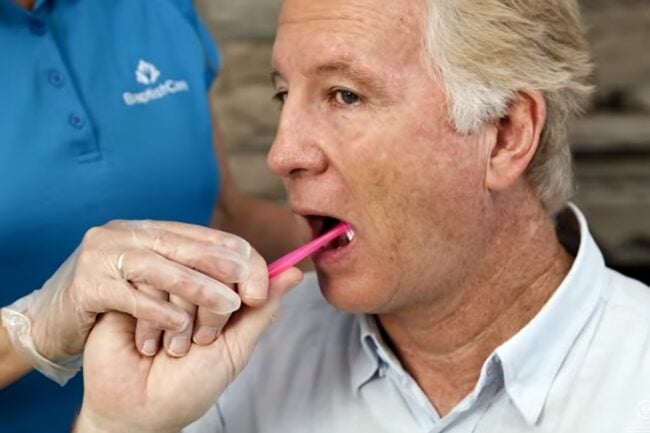
Tooth brushing in dementia can involve a number of tricky details. Anticipating needs is all it takes to make it easy to brush teeth. See dozens of tips to help people with dementia keep their mouth, breath and teeth clean and fresh.
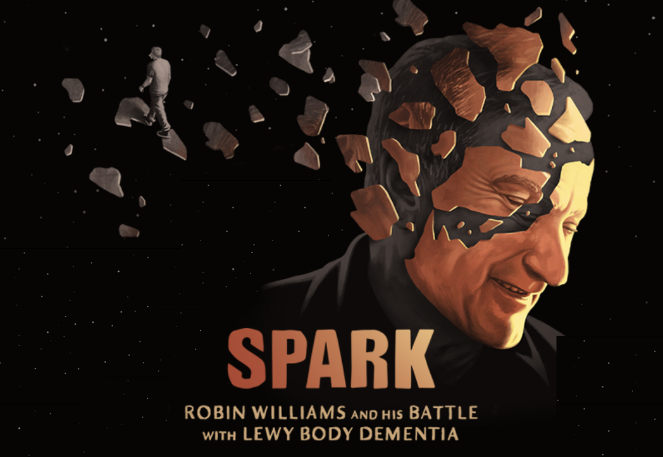
TRAILER: Robin Williams and his battle with Lewy Body Dementia.
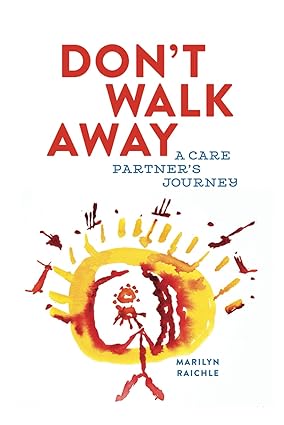
There is a choice we make when a loved one gets Alzheimer’s. Walk away, or don’t walk away. Marilyn’s Mom told her to walk away. Marilyn chose not to. She’s glad she didn’t. Share her journey.

Anyone can give up,
It’s the easiest thing in the world to do.
But to hold it together
When everyone else would understand
If you fell apart,
That’s true strength.

SUGAR raises diabetes AND dementia risk. Will research into the hormone “amylin” reveal the reason why?

A BEAUTIFUL MUSIC VIDEO: A son, his mother, Alzheimer’s and love.

Three important dementia studies focus on HS-AGING, a type of dementia almost as common as Alzheimer’s in the 85+ group. Yet few people have heard of it. Why? What makes it different?

An intriguing study of 120 grandmothers might surprise you. Doctors know socially engaged people have better cognition and less dementia. But can a person get too much of a good thing? What’s the right balance?

Enjoy this great duet between a musician with dementia and his son. A triumph of spirit over Alzheimer’s! Sing-a-long if you like!

It looks like a sneeze cannot give anyone Alzheimer’s. While Alzheimer’s abnormal disease proteins do spread from cell-to-cell, they are not “infectious”. Check out the facts.