Which Type of Dementia Does She Have?
There are over 80 types of dementia besides Alzheimer’s. Teepa Snow, dementia expert, explains why knowing the right type is so important and why so few people with dementia really do.
There are over 80 types of dementia besides Alzheimer’s. Teepa Snow, dementia expert, explains why knowing the right type is so important and why so few people with dementia really do.

Daylight Savings Time can disrupt the environment and daily routine of people with Alzheimer’s. See how to be proactive when changing the clock.

They invented hugs to let people know, You love them, without saying anything.

Leqembi is an FDA-Approved Alzheimer’s treatment. Hospital infusions take an hour each. 2025 is looking to see a new 15-second autoinjector version. For some, it should even work at home.

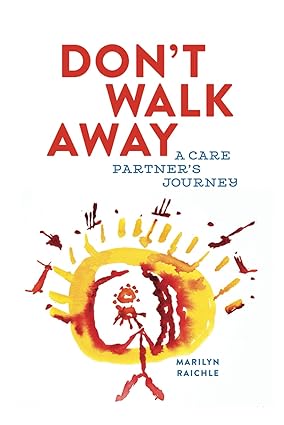
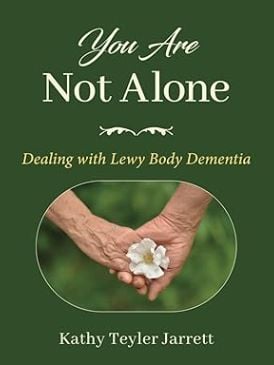
BOOK OF THE WEEK:
“I loved and needed to hear these stories. I am living these stories everyday. I loved the humor, the hope and the compassion of each of these authors!”

TRIP TIPS: Taking a loved one with Alzheimer’s on a trip is a challenge. Traveling can make them worried and confused. Think ahead. Here are some tips to help.

DIAGNOSIS VIDEO + ARTICLE:
Problems with memory or thinking? Check out this simple, written exam from Ohio State University Medical Center. Find out what made this outstanding test go viral.

Print this free 10-page booklet. Brookdale Care Programs offers helpful hints, practical suggestions, checklists and tables to ease your journey as dementia-care-partners.

Healthy foods make a healthy brain. Healthy food NETWORKS (which are the foods you eat together), may offer an even bigger benefit.

Could Ozempic lower one’s risk of Alzheimer’s? NewsNation medical contributor Dr. Dave Montgomery joins “Morning in America” to discuss the research.
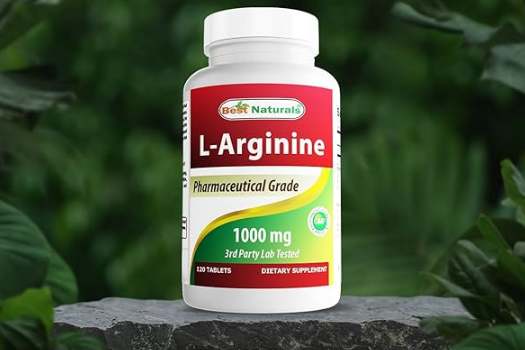
A new study suggests a simple nutrient — arginine — may reduce amyloid-β buildup in Alzheimer’s. The findings, from animal studies, raise an encouraging question: could arginine eventually play a role in Alzheimer’s prevention? Here’s what the research shows — and what caregivers should know.

HOLIDAY TIPS: Getting together for a holiday meal can cause a person with Alzheimer’s confusion and anxiety. Get 10 tips to make the holiday more easy and pleasurable.

A growing body of research shows that what we eat can make a real difference in how the brain ages. Discover the everyday foods that strengthen memory, support cognition, and help reduce the impact of Alzheimer’s — starting with simple choices you can make today.

Enjoy this great duet between a musician with dementia and his son. A triumph of spirit over Alzheimer’s! Sing-a-long if you like!

It looks like a sneeze cannot give anyone Alzheimer’s. While Alzheimer’s abnormal disease proteins do spread from cell-to-cell, they are not “infectious”. Check out the facts.

TEEPA CARE VIDEO: Learn about Alzheimer’s 6 stages. Teepa Snow shows what to expect, while keeping the focus on the person for whom you care.

Melvyn Amrine may not have remembered the details of his life since his Alzheimer’s diagnosis, but he sure proved that his love for his wife transcended memory.