
Thoughtful Dementia Care – Understanding the Dementia Experience
BOOK OF THE WEEK: Thoughtful Dementia Care is today’s best book on understanding the dementia experience. An easy-to-read, sensitive portrayal of managing the world of dementia.
Fooling the Doctor: Cognitive-Reserve Hides Alzheimer’s
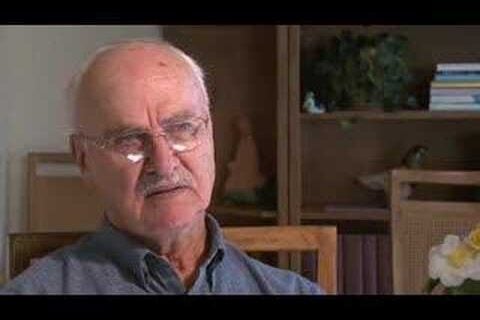
Don Hayen is a retired doctor, diagnosed with Alzheimer’s at 71. But that diagnosis took way too long. Find out how his “cognitive reserve” fooled his doctors. See why he sure wished it hadn’t.

Sleep Clears Brain Waste, Lowers Dementia Risk
Berkeley researchers reveal deep sleep might protect memory—even in the face of Alzheimer’s. Could your nightly rest be the brain’s best defense?

Jobs That Lower Alzheimer’s Risk
Considering how often we hear about job risks, it’s encouraging to hear about ones that may actually protect you from Alzheimer’s!
Brain Sugar Breakthrough: Can Fasting and Fat Burners Shield Your Mind?
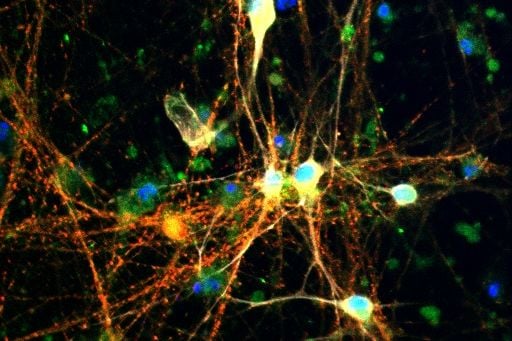
A new Buck Institute discovery reveals neurons process sugar in a surprising way— and unlocking this “brain sugar” pathway could lead to powerful Alzheimer’s treatments.

Do Babies’ Tau Proteins Hold the Key to Curing Alzheimer’s?
Why Do Babies Have More Alzheimer’s Protein Than Adults? A Surprising Clue to Future Treatments
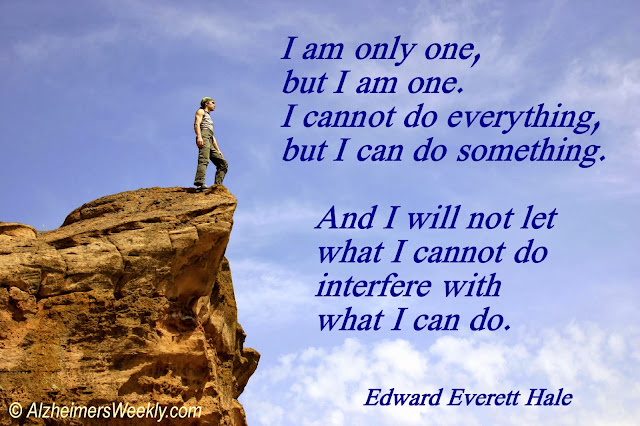
Thought of the Week: What I Can Do
I am only one,But I am one.I cannot do everything,But I can do something. And I will not letWhat I cannot doInterfere withWhat I can

One Scan, 9 Dementia Types: Mayo Clinic’s Breakthrough AI
Diagnosing the right dementia type often takes months. It can make a big difference. Mayo Clinic’s AI tool identifies 9 dementia types, including Alzheimer’s, with one scan — a transformative advance in early, accurate diagnosis.

Memory Magic: How Nostalgia Sparks Joy and Clarity in Dementia Care
INCLUDES PRINTABLE CAREGIVER RESOURCE: Can an old song brighten the day of people with dementias such as Alzheimer’s? Can a childhood memory help bring back clarity and connection? An uplifting study offers useful answers.



85 with Dementia? Good Chance It’s HS-AGING, Not Alzheimer’s
Three important dementia studies focus on HS-AGING, a type of dementia almost as common as Alzheimer’s in the 85+ group. Yet few people have heard of it. Why? What makes it different?
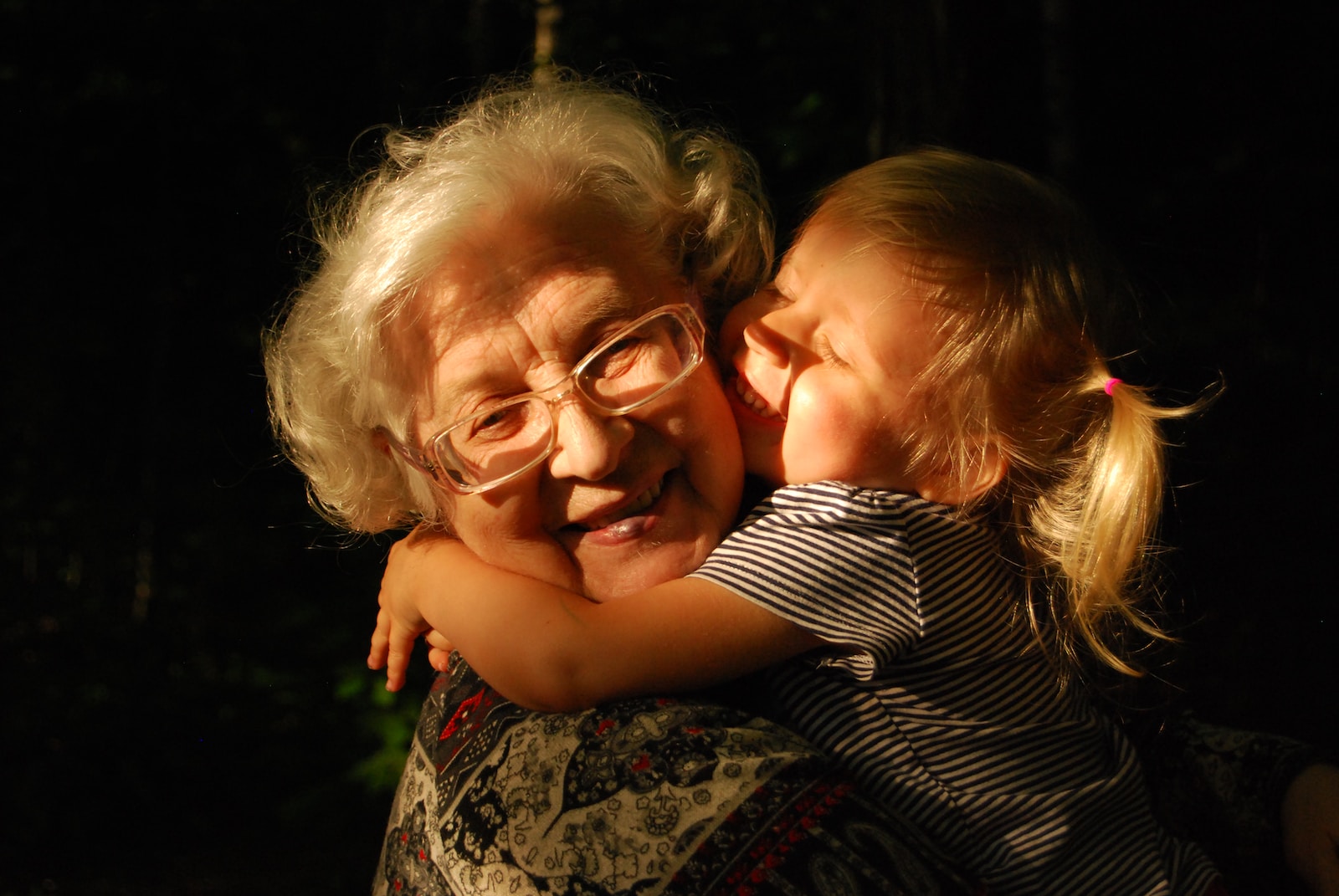
A Grandchild for One Day Keeps Dementia Away
An intriguing study of 120 grandmothers might surprise you. Doctors know socially engaged people have better cognition and less dementia. But can a person get too much of a good thing? What’s the right balance?
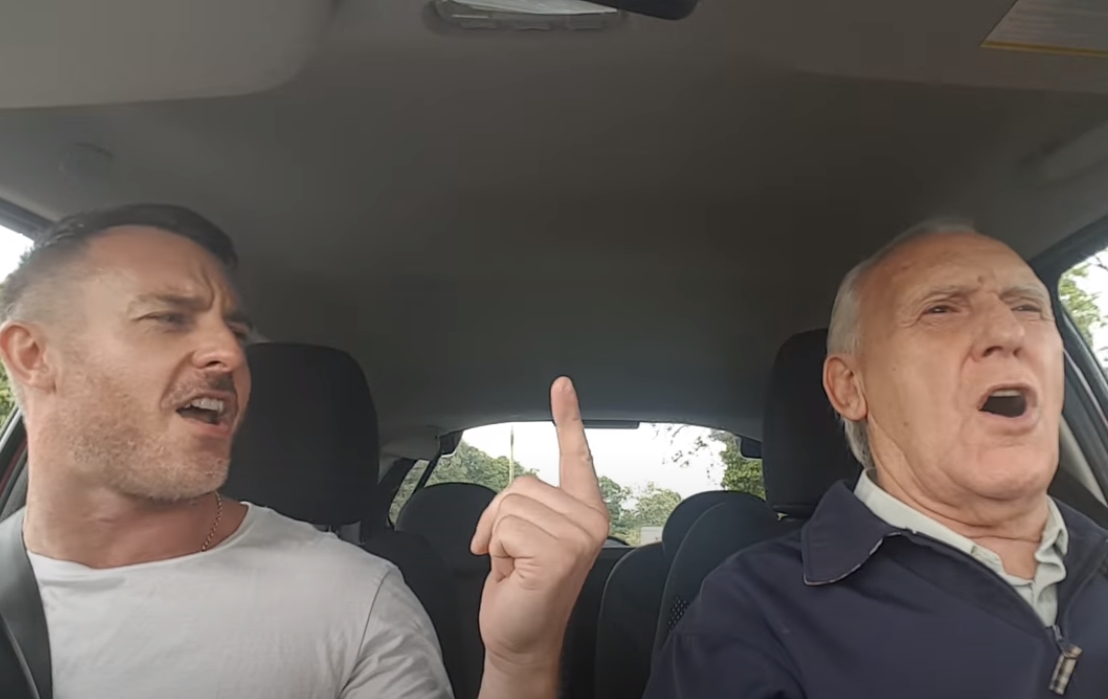
“I’ve Got You Under My Skin,” By Dad with Dementia & Son
Enjoy this great duet between a musician with dementia and his son. A triumph of spirit over Alzheimer’s! Sing-a-long if you like!
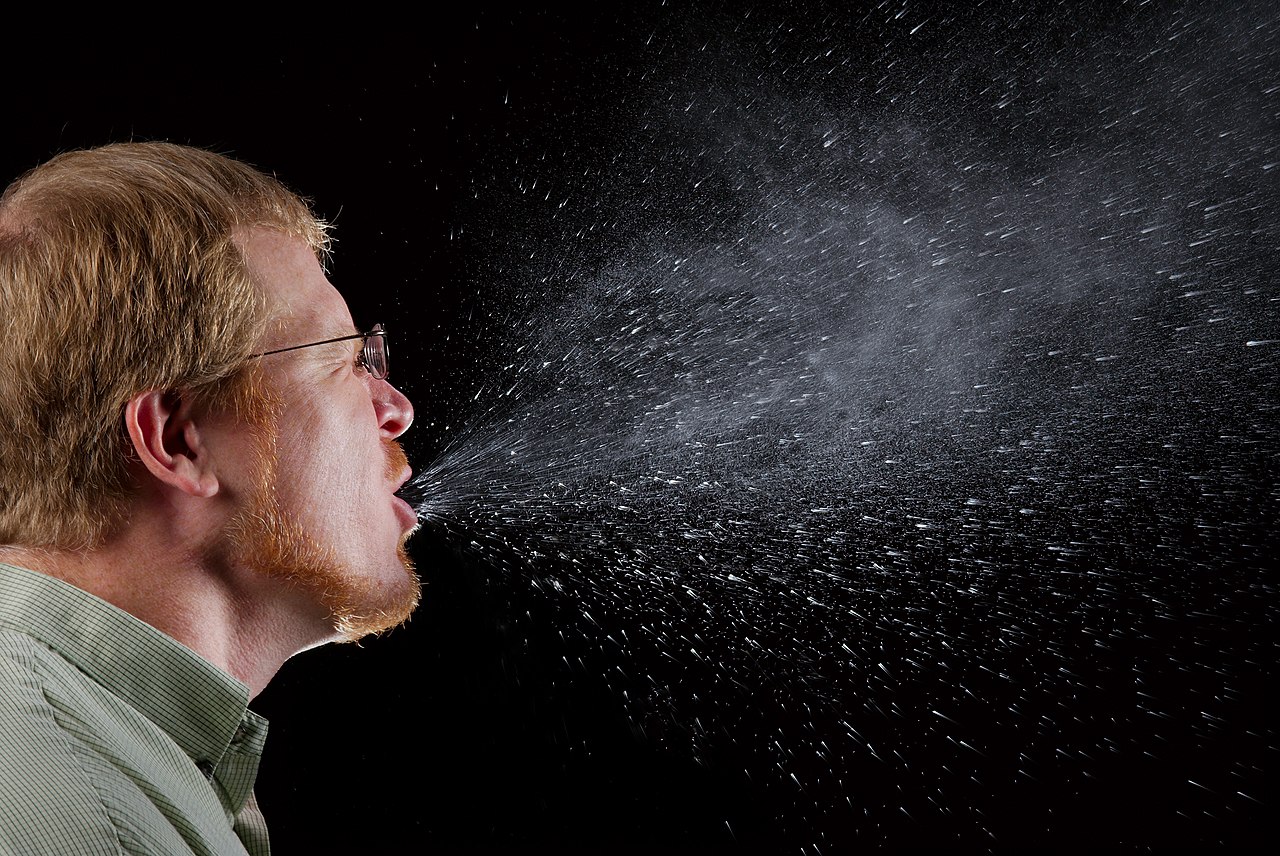
Is Alzheimer’s Catchy?
It looks like a sneeze cannot give anyone Alzheimer’s. While Alzheimer’s abnormal disease proteins do spread from cell-to-cell, they are not “infectious”. Check out the facts.

Designing Rooms for Dementia
FREE 32-PAGE BOOK: Dementia design improves the independence of people with dementia. This online book is available at no charge.…

Care-Partner Journal for Alzheimer's & Dementia
Print this free 10-page booklet. Brookdale Care Programs offers helpful hints, practical suggestions, checklists and tables to ease your journey…

'Still Alice' Brings Attention to Alzheimer's
In turns heartbreaking and inspiring, the movie "Still Alice" captures in remarkable detail what's it's like to live with Alzheimer's.

How to Long-Distance Caregive
FREE BOOKLETS & CARE TIPS: Long-distance dementia-caregiving has unique stresses. Learn what to do and how to help. Get free…

8 Ways Caregivers Care for Themselves
TIPS, INFO + FREE HANDBOOK: Caring for dementia can cause caregiver burnout, endangering both patient & caregiver. Learn 8 ways…

50-Page Free Book on Lewy Body Dementia
FREE LBD BOOK, by America's NIH. Insights into caregiving, movement, sleep & behavior. Often misdiagnosed as Alzheimer's or Parkinson's, 1…

Spectrum of Hope: Living Better with Alzheimer's
(VIDEO) BOOK-OF-THE-WEEK: Dr. Gayatri Devi, Neurologist at NY's Lenox Hill Hospital, released "The Spectrum of Hope: An Optimistic and New…

6 Ways Dementia Caregivers Can Feel Less Guilty
VIDEO & TRANSCRIPT: Caregiving is loving, yet frustrations can trigger guilt. See Dr. Peter Rabins, author of the #1 dementia…

Reverse Dementia in Normal Pressure Hydrocephalus
DIAGNOSIS (VIDEO & TRANSCRIPT): 5% of Alzheimer's cases may really be NPH (Normal Pressure Hydrocephalus), a curable dementia. 400,000 Americans…

20 Home Safety Tips for Alzheimer's
20 TIPS + NIH HOME SAFETY CHECKLIST FOR ALZHEIMER'S: Here are 20 ways to make your home a safer place…