Juliane Moore, Dr. Sano Unveil Alzheimer’s in “Still Alice”
BACKSTAGE: See how Dr. Mary Sano, Director of Alzheimer’s Research at Mount Sinai Medicine, advised Julianne Moore behind-the-scenes in this emotionally deep movie.

BACKSTAGE: See how Dr. Mary Sano, Director of Alzheimer’s Research at Mount Sinai Medicine, advised Julianne Moore behind-the-scenes in this emotionally deep movie.

MEMORY & THINKING are activated by acetyl-choline. Alzheimer’s drugs boost acetyl-choline. Other medications, from allergy to insomnia drugs, may be anti-cholinergic, lowering acetyl-choline. This can spell trouble in dementia. Learn which drugs to avoid and what to look out for.

New Alzheimer’s drugs clear brain plaque made of amyloid-beta. 9 years ago, researchers discovered another Alzheimer’s culprit called amyloid-ETA. Now, they’ve possibly figured out how it works. Learn how balancing these two suspects may hold the key to success in current clinical trials.

The 2 newest Alzheimer’s drugs, Leqembi (lecanemab) and Kisunla (donanemab) show promise, but many questions remain. Here are the three next ones.

Dementia does not rob someone of their dignity. It’s our reaction to them that does.

Lisa Raitt was next in line to be Prime Minister of Canada. Watch as she shares the pain behind her husband’s devastating diagnosis of early onset Alzheimer’s and the story of their enduring love, in a candid and revealing interview.

SEEKING: People diagnosed with
Alzheimer’s disease
who are currently taking or
considering prescription medication
and their care partners .

BRAIN-HEALTHY RECIPE: An appeal to your senses: Beautiful to behold, delicious to taste. Refreshing aroma from dementia-shielding citrus and satisfying crunch from brain-healthy pecans.

AS PROFESSIONAL sports teams battle concussion-dementia lawsuits, research confirms damage to the brain can persist decades after head trauma. Learn why and what to do.

“What They Had” is a hit film centering on a colorful family, pulling together to rise above Alzheimer’s. Heartbreaking but funny, see scenes from this uplifting motion picture.

In a study on health & cynicism, people were asked how much they agree with statements such as, “I think most people would lie to get ahead,” and “It is safer to trust nobody”. The clear connection between their answers and their risk of dementia may startle you.

TEEPA SNOW: EXPLORE how touch has a profound impact on human connection in dementia care, with Teepa Snow, MS, OTR/L. Teepa shares why physical contact is vital and how there are different reactions to touch and need for touch. Discover the importance of understanding surprising reactions from people with dementia.

Lewis Hornby had a problem: his grandmother with dementia wasn’t drinking enough, causing her to get severely dehydrated.

Three important dementia studies focus on HS-AGING, a type of dementia almost as common as Alzheimer’s in the 85+ group. Yet few people have heard of it. Why? What makes it different?

An intriguing study of 120 grandmothers might surprise you. Doctors know socially engaged people have better cognition and less dementia. But can a person get too much of a good thing? What’s the right balance?

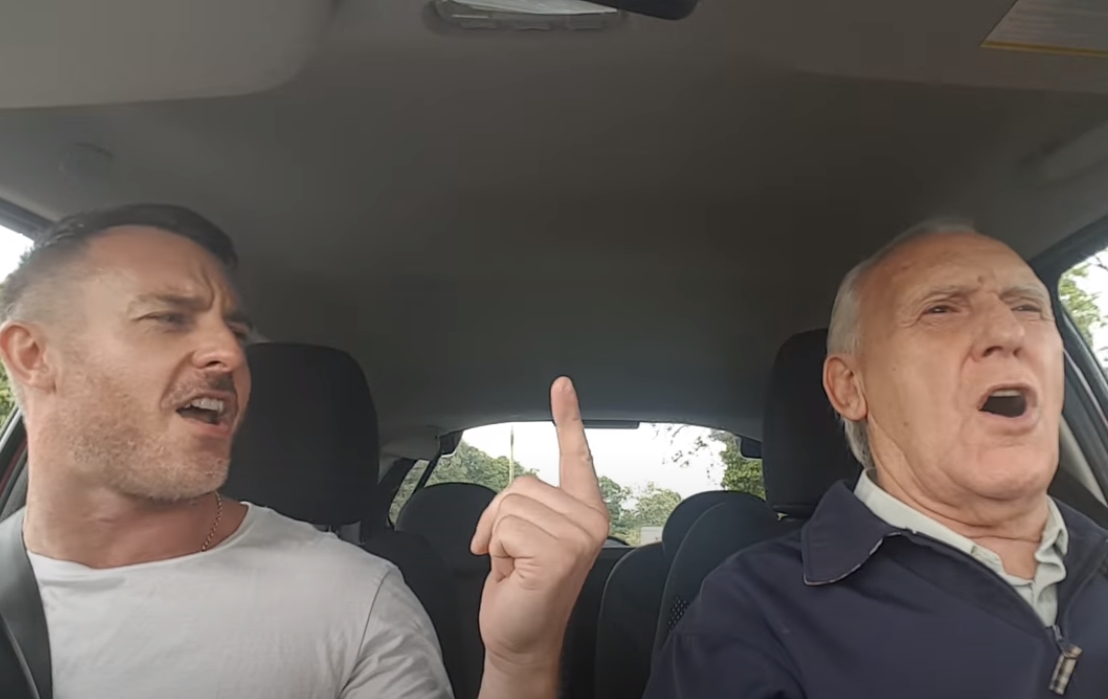
Enjoy this great duet between a musician with dementia and his son. A triumph of spirit over Alzheimer’s! Sing-a-long if you like!

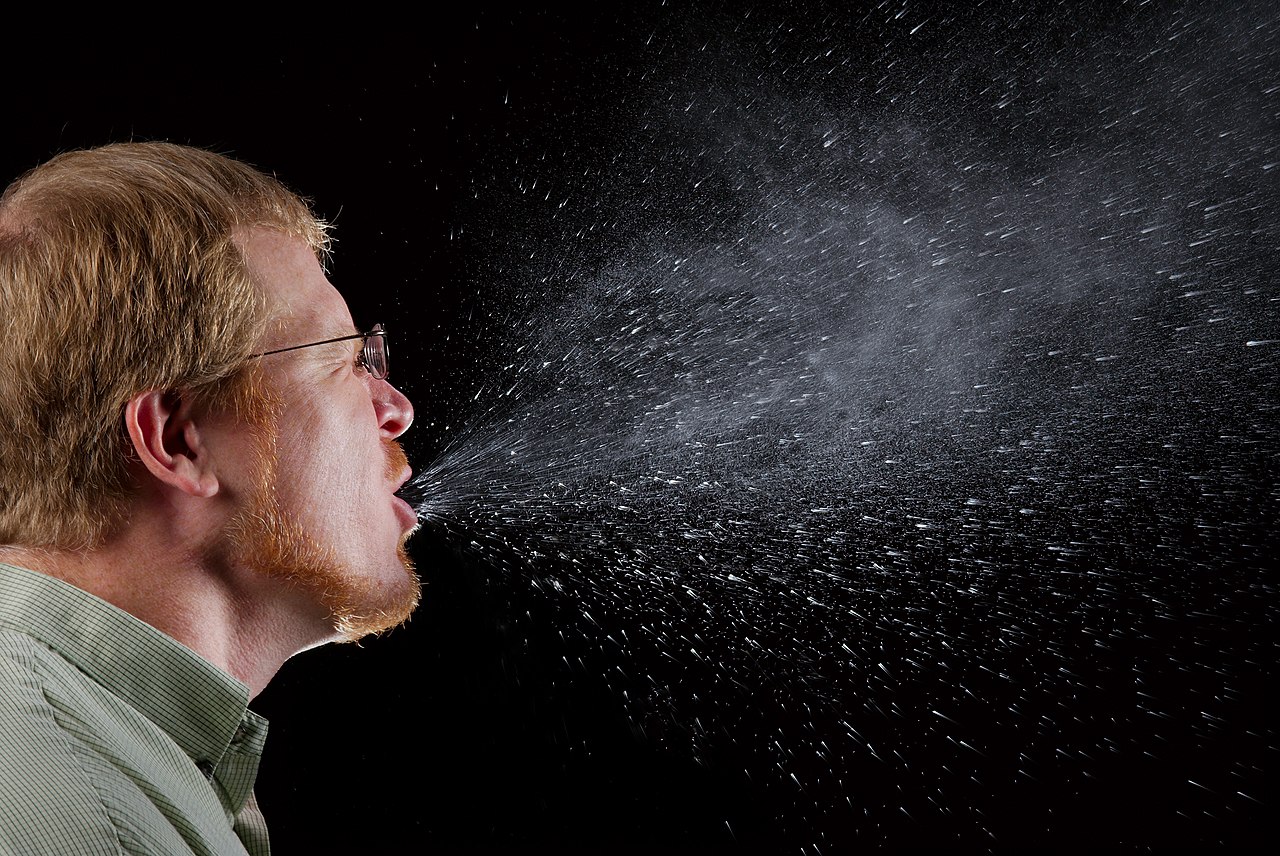
It looks like a sneeze cannot give anyone Alzheimer’s. While Alzheimer’s abnormal disease proteins do spread from cell-to-cell, they are not “infectious”. Check out the facts.
No spam, only news and updates.


We use cookies and similar technologies to improve your experience, understand how our content is used, and support relevant advertising that helps keep Alzheimer’s Weekly free to readers. You can choose to accept, deny, or manage your preferences at any time. Declining certain cookies may affect features such as embedded videos, comments, and personalized advertising.