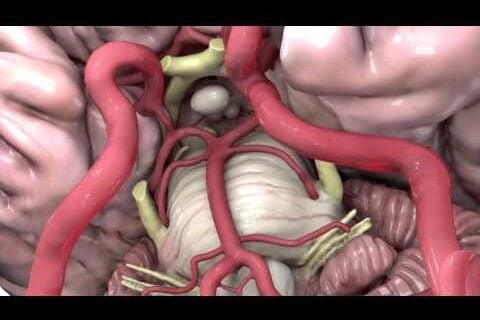
Why is Alzheimer’s Called Type-3 Diabetes?
Neurologist Jason Morangales offers a plain-English discussion on the famous Alzheimer’s nickname, “Type-3 Diabetes”. Learn about its connection to nutritional brain health.

Neurologist Jason Morangales offers a plain-English discussion on the famous Alzheimer’s nickname, “Type-3 Diabetes”. Learn about its connection to nutritional brain health.

VIDEO + ARTICLE: After studying 2,000 people, learn why researchers were surprised to find that allowing ourselves to ‘feel lonely’, and NOT ‘being alone’, was associated with getting dementia. See how feeling connected keeps your brain cells connected, too.

DIET RESEARCH: Learn how diet, exercise and watching your weight will prevent insulin-resistance, and as a result, protect your brain.
Memory is particularly vulnerable to the effects of insulin resistance, according to a 20-year study.

There is a significant and direct correlation between the health of our mouths and our
brains. Dr. Katie Lee dives into the research behind the mouth-mind connection, how to prevent disease, and best practices for overall health and wellness.

See joy shine in Mum, 87, despite Alzheimer’s, as her family transforms their home into Mum’s supermarket, stocked with grocery favorites.

The heart that gives, gathers.

Diabetes and prediabetes are dementia risk factors. They affect 1 in 7 adults! Learn about new research to lower that risk with lifestyle and drugs.

DIET VIDEO: What is the link between weight loss, mental performance, decision-making and dementia risk?

In a new Alzheimer’s study, Rexulti (brexpiprazole) significantly reduced agitation. Learn the kinds of agitation it reduced and by how much.

This quick, effective 3 to 5 minute dementia test produces results comparable to “gold standard” dementia tests used by clinicians.

Did you know? Intellectual abilities are increased in the brain by an average 300% in most people ages 60-80.

Dietary iron is an essential element in the brain. That’s why it is critical to understand how it affects Alzheimer’s. Researchers used advanced X-ray techniques to take a giant step forward in understanding iron chemistry in amyloid plaque, the main culprit behind Alzheimer’s. Learn more about their exciting new insights.

A deep promise to be there for an Alzheimer’s parent, this heartwarming song was written as a tribute to families facing dementia.

An intriguing study of 120 grandmothers might surprise you. Doctors know socially engaged people have better cognition and less dementia. But can a person get too much of a good thing? What’s the right balance?

Enjoy this great duet between a musician with dementia and his son. A triumph of spirit over Alzheimer’s! Sing-a-long if you like!

It looks like a sneeze cannot give anyone Alzheimer’s. While Alzheimer’s abnormal disease proteins do spread from cell-to-cell, they are not “infectious”. Check out the facts.

TEEPA CARE VIDEO: Learn about Alzheimer’s 6 stages. Teepa Snow shows what to expect, while keeping the focus on the person for whom you care.
No spam, only news and updates.


We use cookies and similar technologies to improve your experience, understand how our content is used, and support relevant advertising that helps keep Alzheimer’s Weekly free to readers. You can choose to accept, deny, or manage your preferences at any time. Declining certain cookies may affect features such as embedded videos, comments, and personalized advertising.