The Power of the Familiar: How In-Home Routines Transform Life with Alzheimer’s
Creating peace, calm and a sense of control over their environment is the best gift to give a person living with Alzheimer’s. Learn all about In-Home Routines.
Creating peace, calm and a sense of control over their environment is the best gift to give a person living with Alzheimer’s. Learn all about In-Home Routines.

Researchers found in a study that people who developed dementia were more likely to have their credit rating drop at least two and a half years before the diagnosis. Some had problems managing their money up to six years before. Find out more.

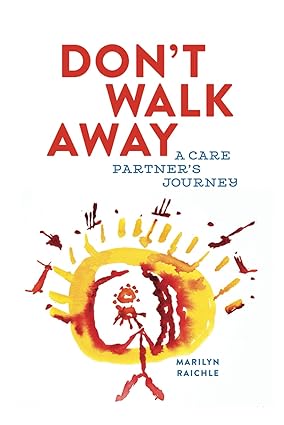
A personal diary of a daughter with a medical background that chronicles her journey while caring for her father with Alzheimer’s, and gives the reader the gift of both perspectives, that of a loving daughter and the trained professional.
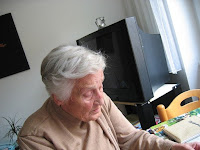
Scientists say restoring a brain protein, not removing amyloid plaques, should be the target of Alzheimer’s dementia therapies. The researchers said treatment might lie in normalizing the levels of a specific brain protein.

Did you know? Intellectual abilities are increased in the brain by an average 300% in most people ages 60-80.
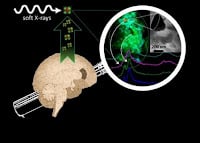
Dietary iron is an essential element in the brain. That’s why it is critical to understand how it affects Alzheimer’s. Researchers used advanced X-ray techniques to take a giant step forward in understanding iron chemistry in amyloid plaque, the main culprit behind Alzheimer’s. Learn more about their exciting new insights.

A deep promise to be there for an Alzheimer’s parent, this heartwarming song was written as a tribute to families facing dementia.
EMERGENCIES due to falling happen 54% more often in dementia. As a rule, 1-in-3 adults over 65 fall each year. Most falls happen at home. Make a few simple changes and prevent falls.

Researchers find that a diet including more fruit, vegetables, beans and tea or coffee lowers the risk of developing dementia later in life. Learn more.
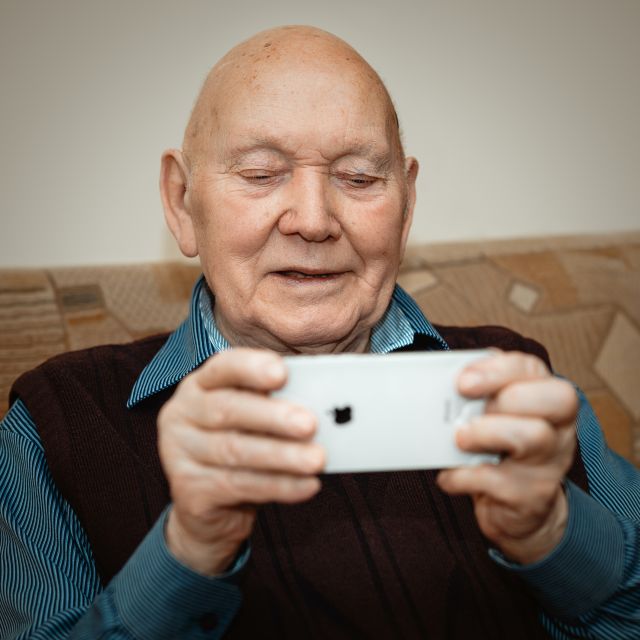
Researchers find education and intellectual stimulation appear to activate a genetic program in the brain that promotes resistance to cognitive decline. Find out more.

The aptly titled ‘Garden Of Remembrance’ tells the story of a married couple dealing with the early onset of dementia and the feelings of a husband who’s “Lost between the here and now/Somewhere that he can’t be found” and his wife. Stunning, beautiful & poignant.

Drinking to fight dementia? Which drinks are good and which are bad?
Harvard & Cleveland Clinic researchers offer scientific advice.

In dementia, art is often expressed at a much higher level than other activities. People engaged in artistic activities when they were healthy may hold on to these abilities in a way that seems to defy Alzheimer’s. See the remarkable case of one Canadian sculptor.

Enjoy this great duet between a musician with dementia and his son. A triumph of spirit over Alzheimer’s! Sing-a-long if you like!

It looks like a sneeze cannot give anyone Alzheimer’s. While Alzheimer’s abnormal disease proteins do spread from cell-to-cell, they are not “infectious”. Check out the facts.

TEEPA CARE VIDEO: Learn about Alzheimer’s 6 stages. Teepa Snow shows what to expect, while keeping the focus on the person for whom you care.

Melvyn Amrine may not have remembered the details of his life since his Alzheimer’s diagnosis, but he sure proved that his love for his wife transcended memory.