Thought of the Week: Be Swift to Love
Life is short and we have never too much time for gladdening The hearts of those who are traveling the dark journey with us. Oh!
Life is short and we have never too much time for gladdening The hearts of those who are traveling the dark journey with us. Oh!

In “The Notebook,” actress Gena Rowlands played Allie Calhoun with Alzheimer’s. Gena’s son, the film’s Director, reveals Gena now has Alzheimer’s — just like her character did on screen. Kaylee Hartung reports, while Dr. Tara Narula discusses the latest on Alzheimer’s.

Three FDA-Approved drugs, terazosin, doxazosin, and alfuzosin, have a happy side effect; they boost energy production in brain cells. New studies suggest this slows or prevents Dementia with Lewy Bodies.

Grandma hates taking her medications. With her dementia, she ends up asking 10 different times why she has to take it! What should I do?

A drug for Alzheimer’s, called Leqembi, might soon be given less often. Right now, patients get it through a drip every two weeks. The idea is to change this to once a month.
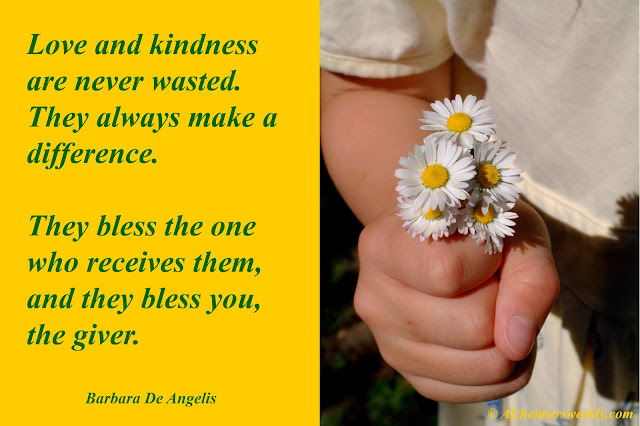
Love & kindness are never wasted. They always make a difference. They bless the one who receives them, and they bless you, the giver.

While Resveratrol supplements decrease brain swelling, they increase brain shrinkage. Is the trade-off worthwhile?

Do not judge. You don’t know what storm I’ve asked her to walk through. – God

Dr. Dean Ornish publishes the first trial investigating plant-based diets fighting or reversing early-stage Alzheimer’s. The results are eye-opening.

The unanimous 11-0 FDA vote clears an exciting path for this new Alzheimer’s drug.
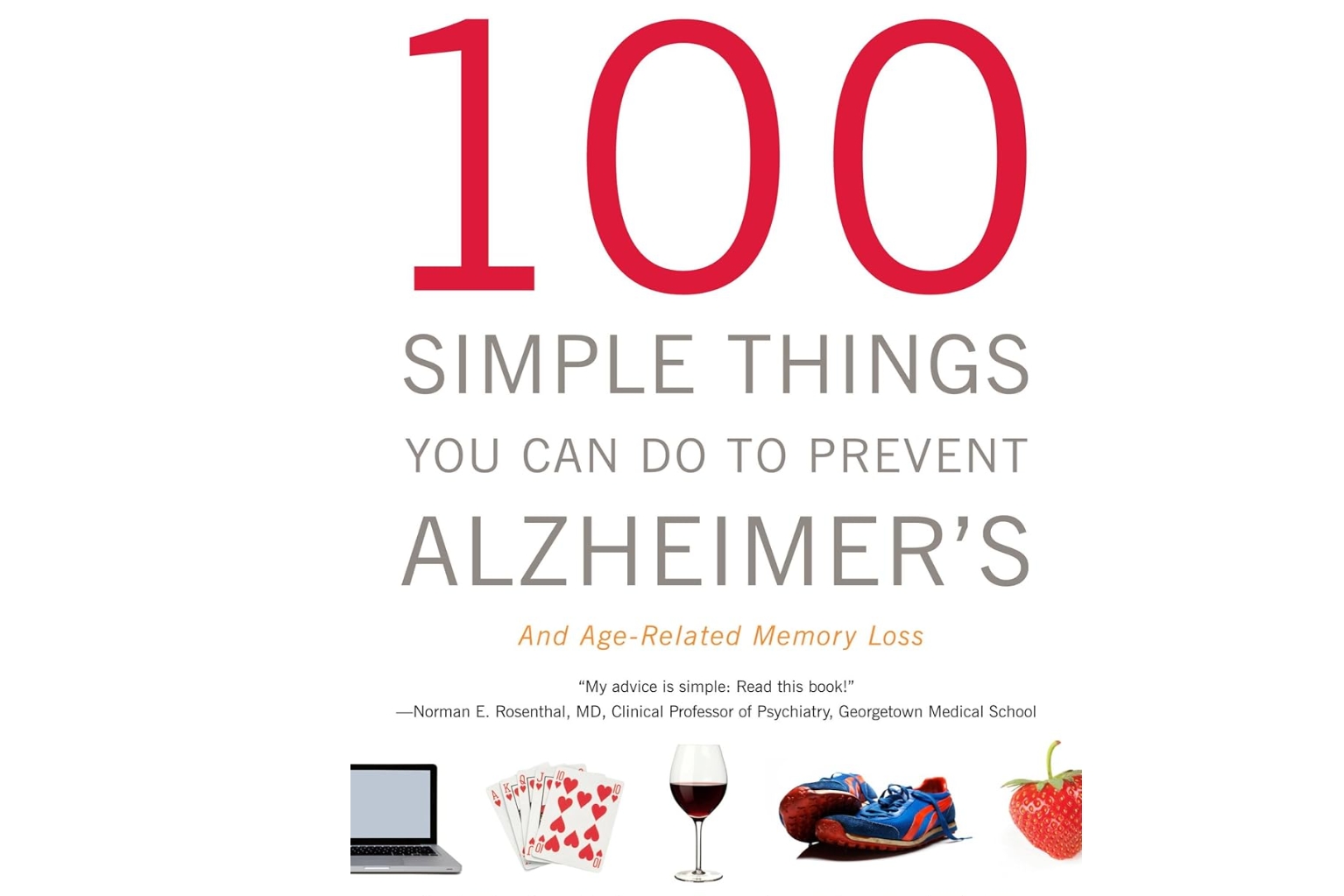
VIDEO & ARTICLE – BOOK OF THE WEEK: CNN’s former medical correspondent has written a book on dementia containing “100 Simple Things You Can Do to Prevent Alzheimer’s and Age-Related Memory Loss”. Backed by good science, see the author discuss a few of these “100 Simple Things” that help preserve thinking and memory.

CLINICAL INERTIA is when it’s much easier to start someone on a medication, and keep them on, than to take them off. Find out why most advanced dementia patients receive too many expensive, questionable medications.
AlzheimersWeekly.com is strictly a news and information website about the disease. It does not provide medical advice, diagnosis or treatment. This content is not intended

Three important dementia studies focus on HS-AGING, a type of dementia almost as common as Alzheimer’s in the 85+ group. Yet few people have heard of it. Why? What makes it different?
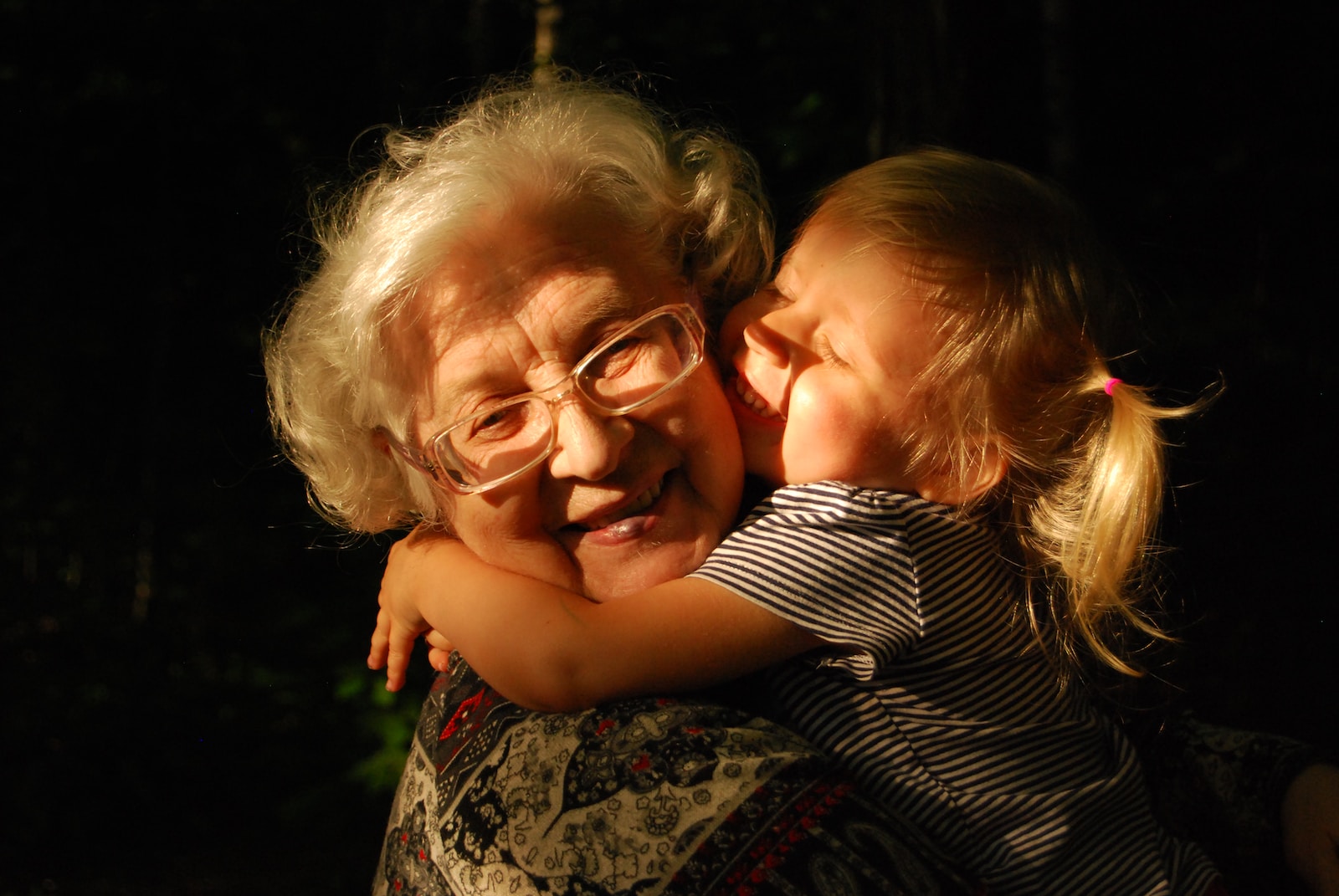
An intriguing study of 120 grandmothers might surprise you. Doctors know socially engaged people have better cognition and less dementia. But can a person get too much of a good thing? What’s the right balance?

Enjoy this great duet between a musician with dementia and his son. A triumph of spirit over Alzheimer’s! Sing-a-long if you like!

It looks like a sneeze cannot give anyone Alzheimer’s. While Alzheimer’s abnormal disease proteins do spread from cell-to-cell, they are not “infectious”. Check out the facts.