What Dementia Hears
Top expert TEEPA SNOW presents what people with dementia hear when you talk and how they process your verbal cues.
Top expert TEEPA SNOW presents what people with dementia hear when you talk and how they process your verbal cues.
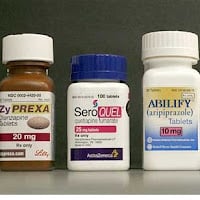
Dementia symptoms such as agitation, psychosis, anxiety, insomnia & depression are often treated with antipsychotic medication. Learn why these medications increase the risk of stroke.

Banks can be intimidating in a world with Alzheimer’s. Pin numbers and fraud protection, long lines and lots of numbers, may call for special attention. That’s why Lloyds Banking Group and The Alzheimer’s Society offer this landmark “Dementia-Friendly Financial Services” guide for banks and insurers. Download the guide and improve the everyday lives of people affected by dementia.
See how Sporting Memories Network promotes the well-being of people living with dementia with projects that tap into their prior passion for sports.

2 studies connect Alzheimer’s to concussions, and lighter blows to the head to memory loss. How careful can we be? Just how much does it matter?

When is medical marijuana appropriate? Not in dementia, according to a new study. It suggests medical marijuana pills may not help treat behavioral symptoms of dementia, such as aggression, pacing and wandering. Get the details.
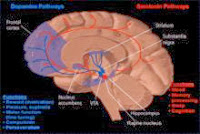
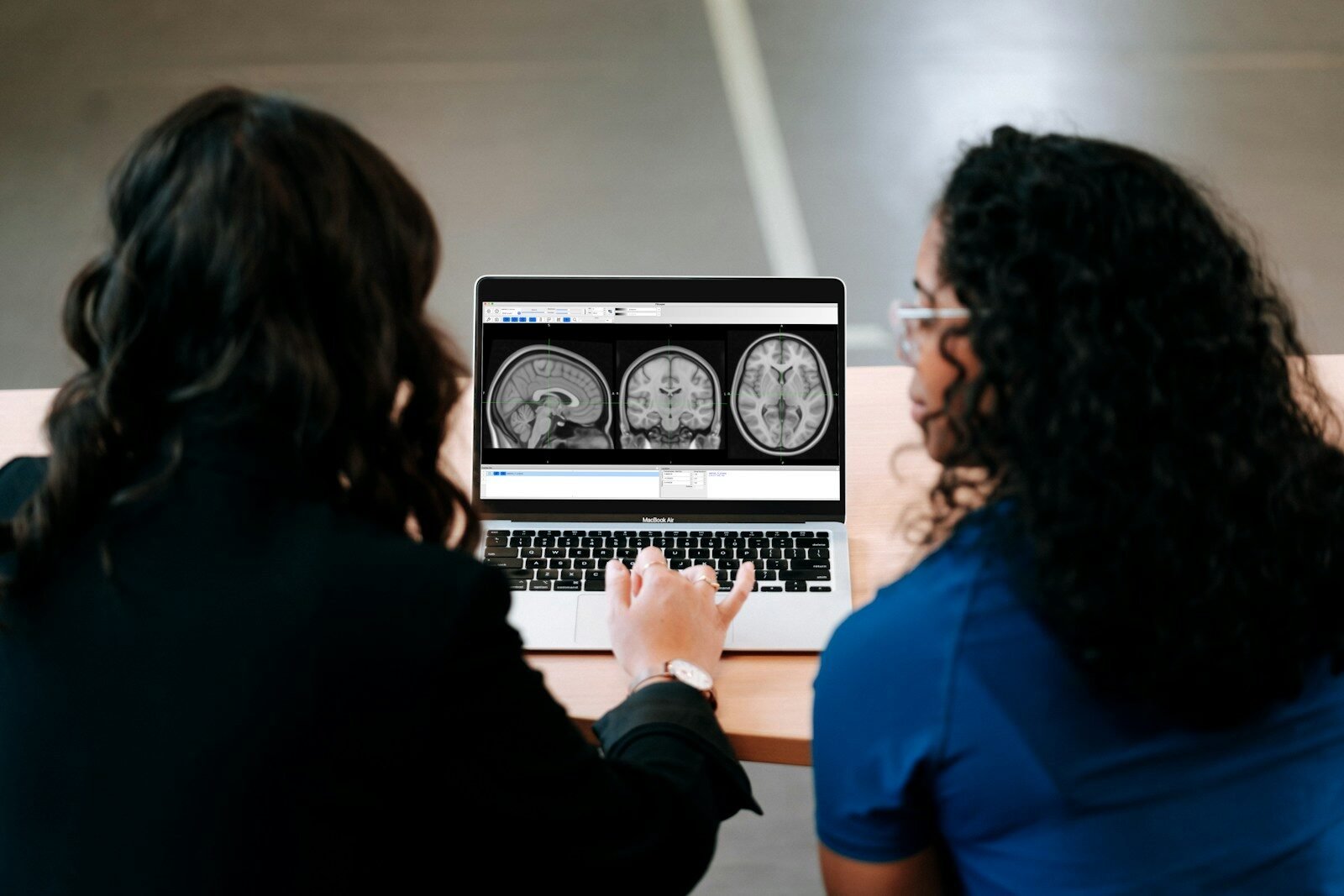
Doctors routinely diagnose and track dementia. “Neuropsychological tests” are non-invasive, using interviews or paper/pen tests. More invasive diagnostics include powerful MRI and PET scans.

Begin each day by being good to yourself. When you are the best you can be, That’s when you have the most to give.
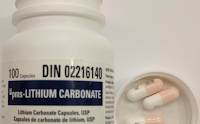
A study at McGill University shows that lithium given in micro doses may be capable of both halting signs of advanced Alzheimer’s pathology and recovering lost cognitive abilities.

A tornado has left 40 Alzheimer’s patients on the move. See how dementia is especially vulnerable to natural disasters and bad weather. Learn special steps you can take to help them be prepared.
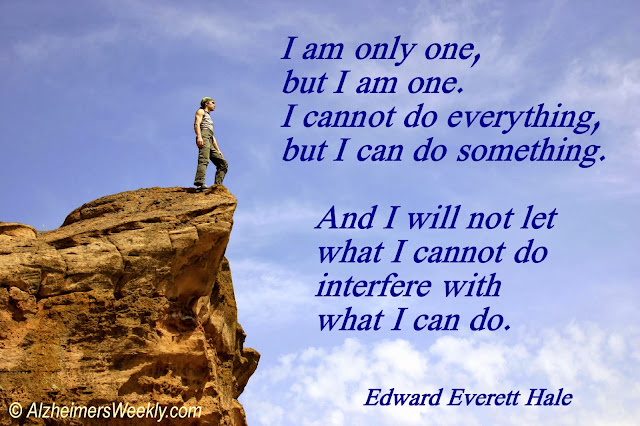
I am only one,But I am one.I cannot do everything,But I can do something. And I will not letWhat I cannot doInterfere withWhat I can

Diagnosing the right dementia type often takes months. It can make a big difference. Mayo Clinic’s AI tool identifies 9 dementia types, including Alzheimer’s, with one scan — a transformative advance in early, accurate diagnosis.

INCLUDES PRINTABLE CAREGIVER RESOURCE: Can an old song brighten the day of people with dementias such as Alzheimer’s? Can a childhood memory help bring back clarity and connection? An uplifting study offers useful answers.

One woman held the genetic key to unlock the mystery of how she was the only one free of early-onset Alzheimer’s, out of 1,200 members of a South American family,

Researchers say it takes a dozen “intervention sessions” to improve cognition in those at risk for Alzheimer’s and other dementias.
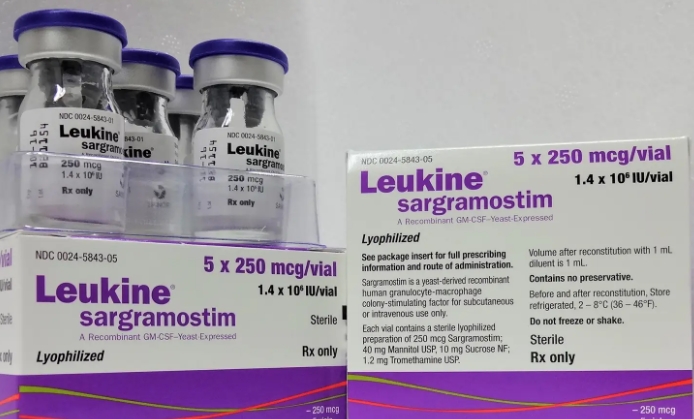
FDA-approved Sargramostim, a normal human protein, improved memory and cognition in Alzheimer’s patients in a Phase II clinical trial. The drug is safe and well-tolerated, and has been used for other disorders for 30 years.

This carpool sing-a-long between a father with dementia and his son went viral. $50,000 in donations poured into the Alzheimer’s Society. Enjoy their great music. Sing along if you can!