Social Life at 60 May Shrink Risk of Dementia
Researchers in London and Paris report staying in touch with friends and family in midlife activates centers of the brain that involve language and memory. It could be linked to better cognitive health.
Researchers in London and Paris report staying in touch with friends and family in midlife activates centers of the brain that involve language and memory. It could be linked to better cognitive health.

A young Chinese prodigy determined to help his grandmother with Alzheimer’s invented an AI mini-computer to help her recognize family members and find the way home.

Walking groups are found to be one of the best and easiest ways to boost health and fight conditions such as dementia.
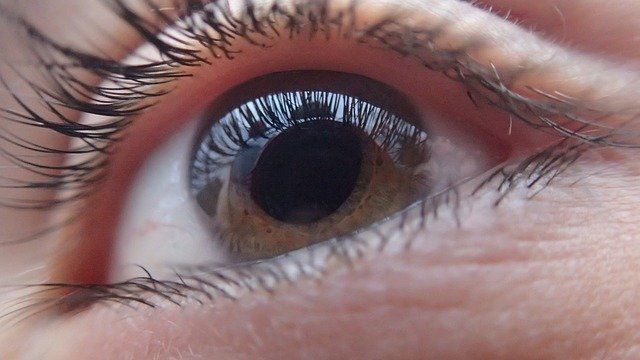
Researchers in Seattle, Washington have discovered that cataract surgery is associated with a lower risk of developing dementia, and specifically a lower risk of Alzheimer’s.

Researchers in New York found a gene that links cerebrovascular disease and Alzheimer’s.

Nanodevices are the newest weapon in medicine’s growing arsenal to fight Alzheimer’s. They capture dangerous peptides before they can assemble to form Alzheimer’s plaques in the brain.

Stress is like a glass of water; we have to put it down for a while and rest before holding it again. Here’s how to do it.
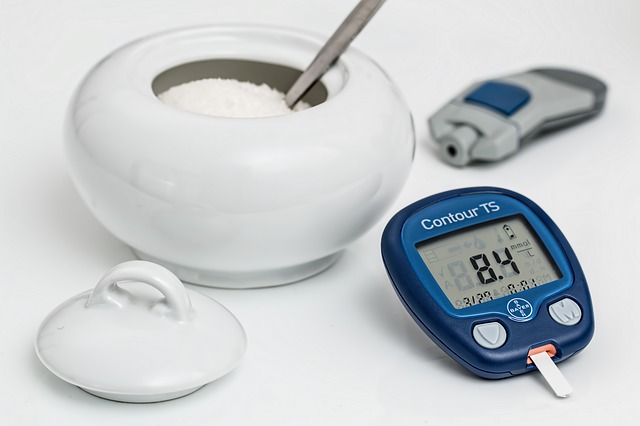
People taking certain drugs to lower blood sugar for Type 2 diabetes had less amyloid in the brain, a biomarker of Alzheimer’s disease, and showed slower cognitive decline than diabetics not taking drugs and people with diabetes. Find out more.

People with mild Alzheimer’s often enjoy places they enjoyed in the past – a favorite restaurant, parade, park, shopping mall, swimming pool, museum, or theater. It is good to keep going and it is smart to plan ahead. Learn how.

A new sensor has been developed that can detect Alzheimer’s more than a decade before symptoms appear. Learn more.

A daily cup of tea — and other delicious options — could help you to enjoy better health late in life. Read on to learn more.

Research shows that a blood test now on the market accurately identifies brain amyloid status with a single blood sample. In other words, this blood test can diagnose Alzheimer’s.

Is keeping seated and sedentary, while intellectually stimulated, part of the best way to care for your brain?

Three important dementia studies focus on HS-AGING, a type of dementia almost as common as Alzheimer’s in the 85+ group. Yet few people have heard of it. Why? What makes it different?
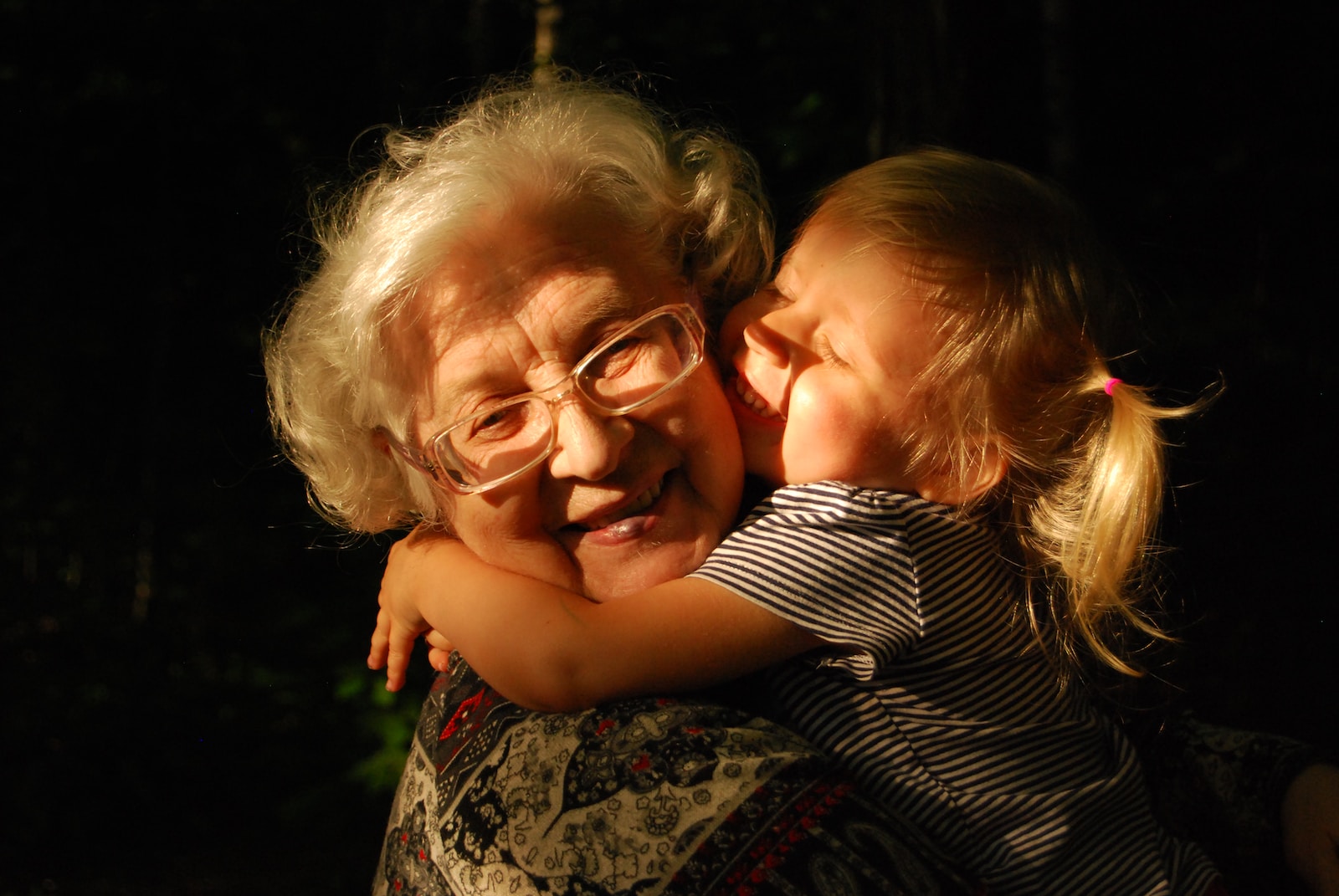
An intriguing study of 120 grandmothers might surprise you. Doctors know socially engaged people have better cognition and less dementia. But can a person get too much of a good thing? What’s the right balance?

Enjoy this great duet between a musician with dementia and his son. A triumph of spirit over Alzheimer’s! Sing-a-long if you like!

It looks like a sneeze cannot give anyone Alzheimer’s. While Alzheimer’s abnormal disease proteins do spread from cell-to-cell, they are not “infectious”. Check out the facts.