Antipsychotics Up Risk of Stroke in People with Dementia
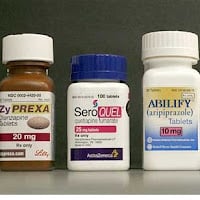
Dementia symptoms such as agitation, psychosis, anxiety, insomnia & depression are often treated with antipsychotic medication. Learn why these medications increase the risk of stroke.
Dementia symptoms such as agitation, psychosis, anxiety, insomnia & depression are often treated with antipsychotic medication. Learn why these medications increase the risk of stroke.

Banks can be intimidating in a world with Alzheimer’s. Pin numbers and fraud protection, long lines and lots of numbers, may call for special attention. That’s why Lloyds Banking Group and The Alzheimer’s Society offer this landmark “Dementia-Friendly Financial Services” guide for banks and insurers. Download the guide and improve the everyday lives of people affected by dementia.

See how Sporting Memories Network promotes the well-being of people living with dementia with projects that tap into their prior passion for sports.

2 studies connect Alzheimer’s to concussions, and lighter blows to the head to memory loss. How careful can we be? Just how much does it matter?

When is medical marijuana appropriate? Not in dementia, according to a new study. It suggests medical marijuana pills may not help treat behavioral symptoms of dementia, such as aggression, pacing and wandering. Get the details.
Doctors routinely diagnose and track dementia. “Neuropsychological tests” are non-invasive, using interviews or paper/pen tests. More invasive diagnostics include powerful MRI and PET scans.

Begin each day by being good to yourself. When you are the best you can be, That’s when you have the most to give.
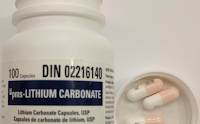
A study at McGill University shows that lithium given in micro doses may be capable of both halting signs of advanced Alzheimer’s pathology and recovering lost cognitive abilities.

A tornado has left 40 Alzheimer’s patients on the move. See how dementia is especially vulnerable to natural disasters and bad weather. Learn special steps you can take to help them be prepared.

Some Alzheimer’s tests cost thousands of dollars, some cost pennies. The trick is using the right tests at the right time for the right person. An excellent scoring system from Mayo Clinic offers a powerful tool for making the best choices.
Don’t put that controller down just yet. Playing three-dimensional video games – besides being lots of fun – can boost the formation of memories, according to University of California neurobiologists.

Denise Medved is the founder and creator of a program that takes Alzheimer’s patients through vigorous, spirited exercise routines. She calls her program, “Ageless Grace”.

A fascinating study in Europe finds that individuals who felt they had memory problems did in fact have measurable cognitive deficits. Scientists analyzed the spinal fluid to measure the levels of biomarkers associated with Alzheimer’s.

Three important dementia studies focus on HS-AGING, a type of dementia almost as common as Alzheimer’s in the 85+ group. Yet few people have heard of it. Why? What makes it different?
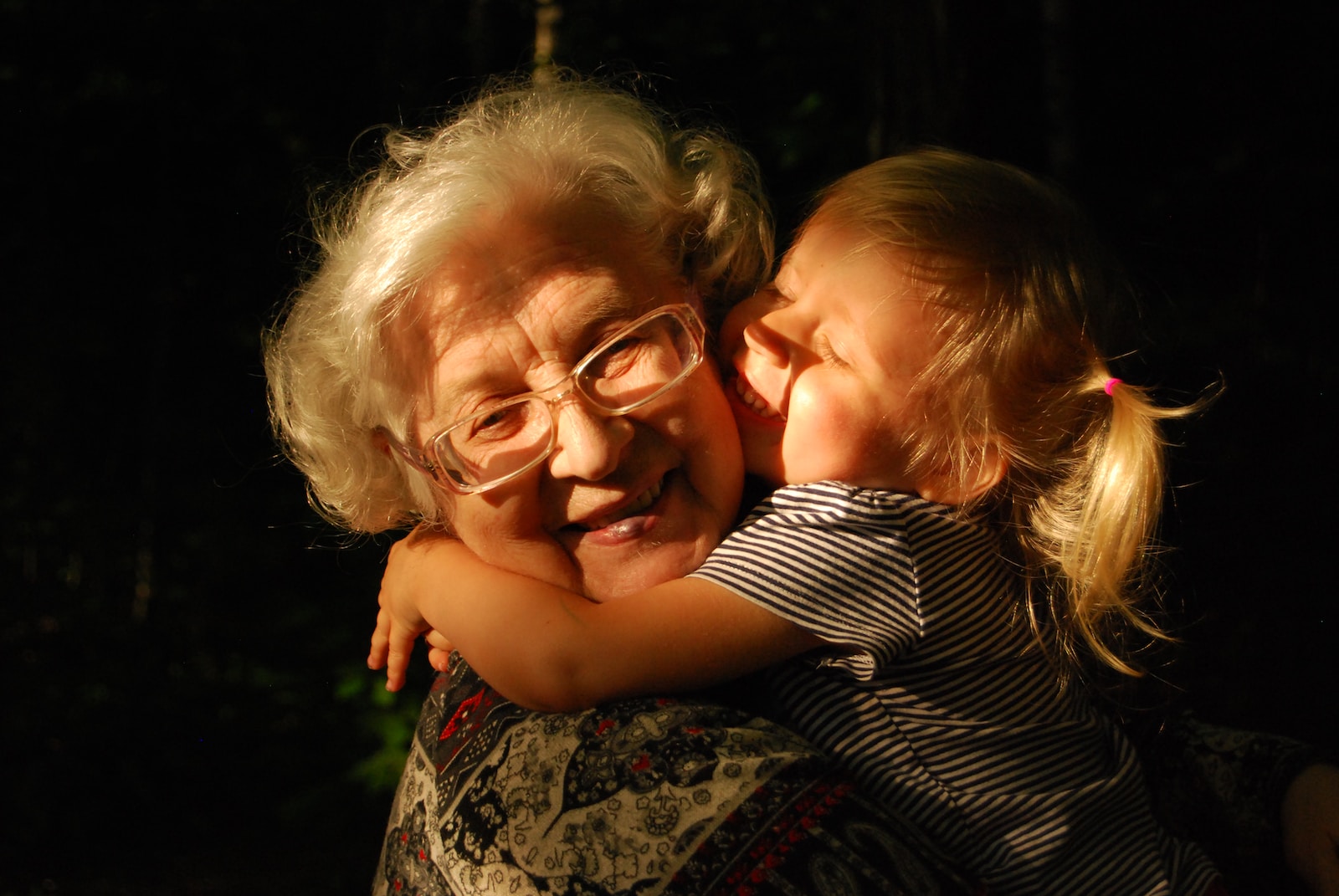
An intriguing study of 120 grandmothers might surprise you. Doctors know socially engaged people have better cognition and less dementia. But can a person get too much of a good thing? What’s the right balance?
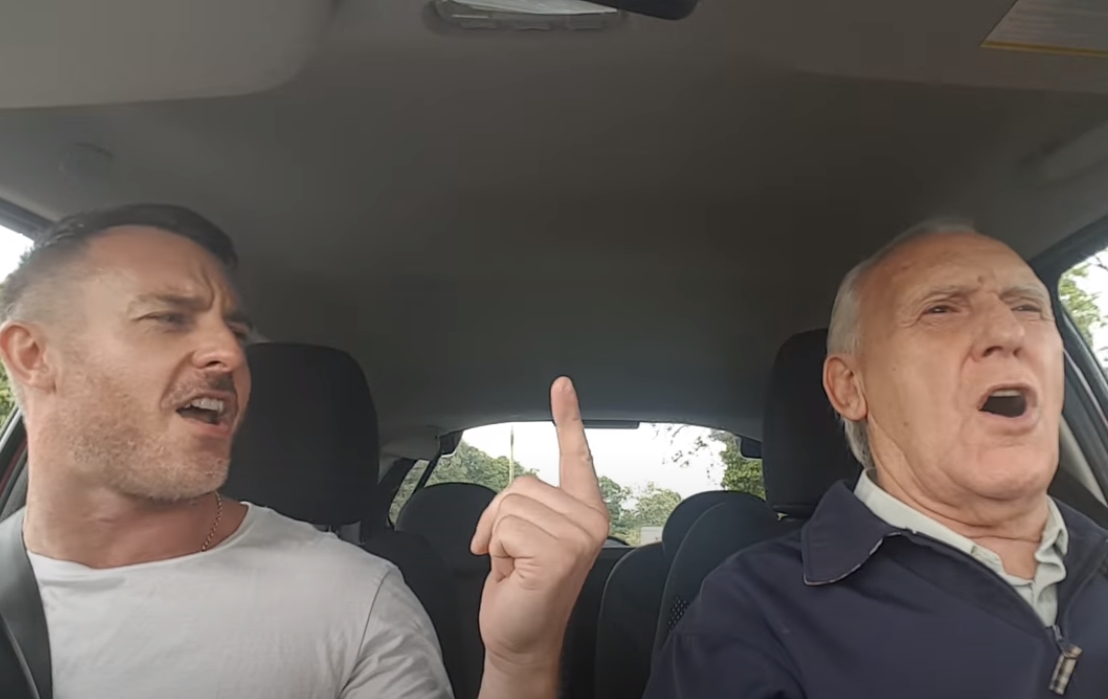
Enjoy this great duet between a musician with dementia and his son. A triumph of spirit over Alzheimer’s! Sing-a-long if you like!

It looks like a sneeze cannot give anyone Alzheimer’s. While Alzheimer’s abnormal disease proteins do spread from cell-to-cell, they are not “infectious”. Check out the facts.