Dad with Dementia Sings: VOLARE!
WONDERFUL SONG+LYRICS:
Dementia-patient Ted McDermott journeys with son Simon, making famously beautiful music together. Get your smile ready and join in.
WONDERFUL SONG+LYRICS:
Dementia-patient Ted McDermott journeys with son Simon, making famously beautiful music together. Get your smile ready and join in.

At this time of year, it’s healthy to get some air and sunshine. It’s especially good for those with dementia.

FREE 70 PAGE BOOK: “How to Make a Sensory Room for People Living with Dementia” explores sensory-technology for dementia care. Download this rich, colorful, book on Dementia Sensory Rooms.

Video: Learn how to use dance effectively in dementia. See how “Bolton Dementia’s Trinity Trotters” evolved their version of dance exercises.
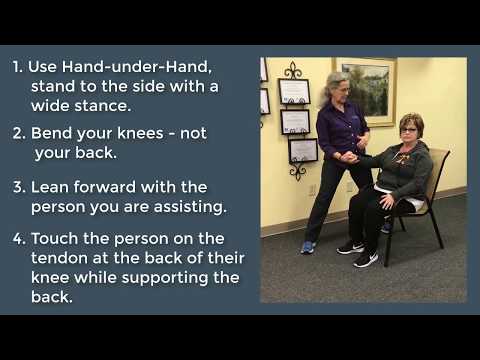
Teepa Snow: EMERGENCIES FROM FALLS increase 54% in dementia. Many happen while trying to sit down. Falls injure 1-in-3 seniors. See how to help them sit down safely.

Learn to use photos and photo albums as a fantastic dementia activity. See how they easily reduce social isolation and depression, providing comfort to people with dementia.

An intriguing study of 120 grandmothers might surprise you. Doctors know socially engaged people have better cognition and less dementia. But can a person get too much of a good thing? What’s the right balance?

See how The Virtual Forest Project lifts people with dementia.

Damon McLeese is teaching Alzheimer’s patients to leverage their power to forget, by forgetting to “stay within the lines,” using graffiti. See Damon tell the heartwarming story of his latest collaboration.

M.I.T.’s Rendever takes dementia residents like Miriam Keith back to wonderful places no longer accessible to them.

NEUROPROTECTIVE HOLIDAY RECIPE: Brain-healthy pumpkin pie gets a new twist with a crunchy, neuroprotective walnut streusel topping. Try this easy recipe that starts with a store-bought pie crust!
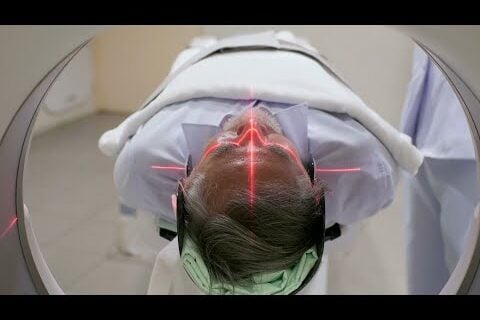
The good news is that a new initiative called ADDI is pooling research data to accelerate curing Alzheimer’s. Watch Bill Gates on the Alzheimer’s Disease Data Initiative.

MAUDE’S AWARDS: RECOGNIZING INNOVATIONS IN DEMENTIA CARE SEATTLE, WA – The 7 TH Annual Maude’s Award Recipients are announced. Maude’s Awards wasdeveloped to gather and

Three important dementia studies focus on HS-AGING, a type of dementia almost as common as Alzheimer’s in the 85+ group. Yet few people have heard of it. Why? What makes it different?
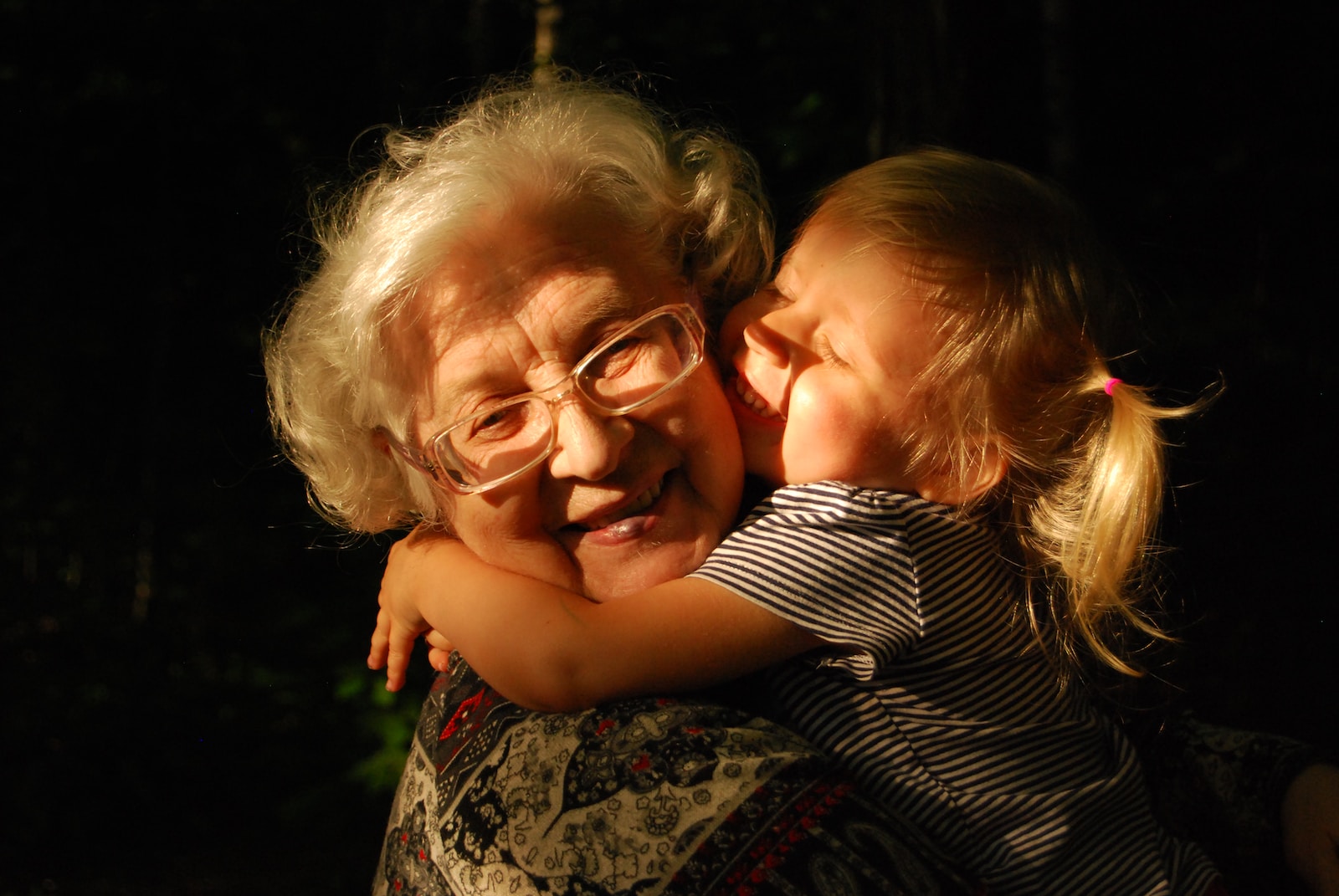
An intriguing study of 120 grandmothers might surprise you. Doctors know socially engaged people have better cognition and less dementia. But can a person get too much of a good thing? What’s the right balance?
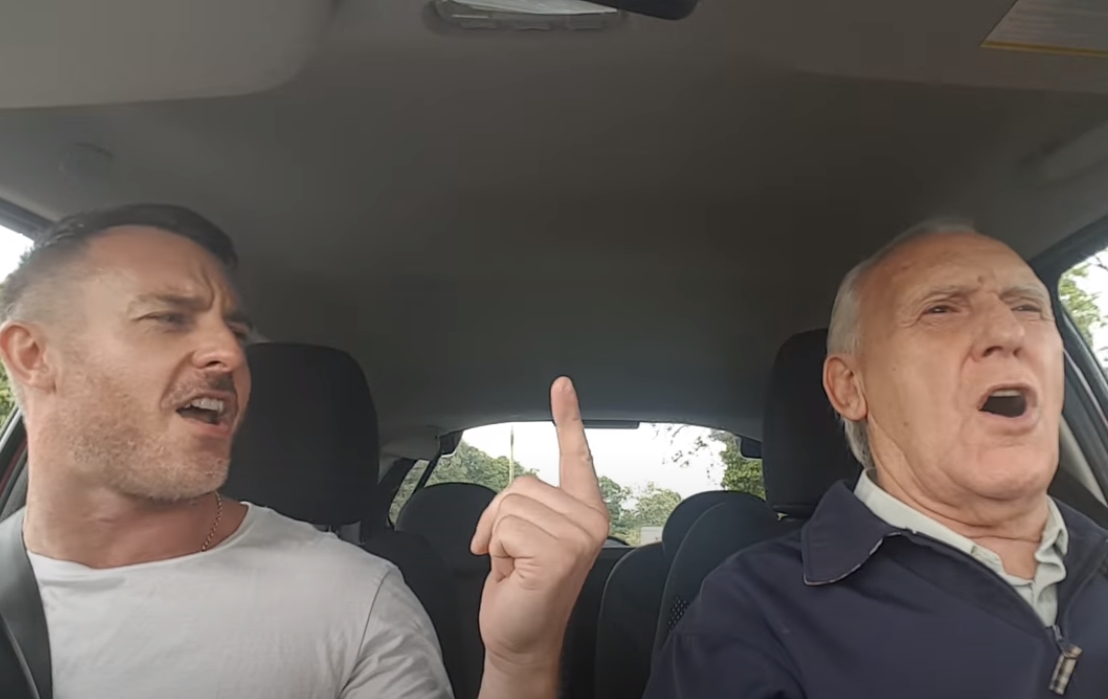
Enjoy this great duet between a musician with dementia and his son. A triumph of spirit over Alzheimer’s! Sing-a-long if you like!
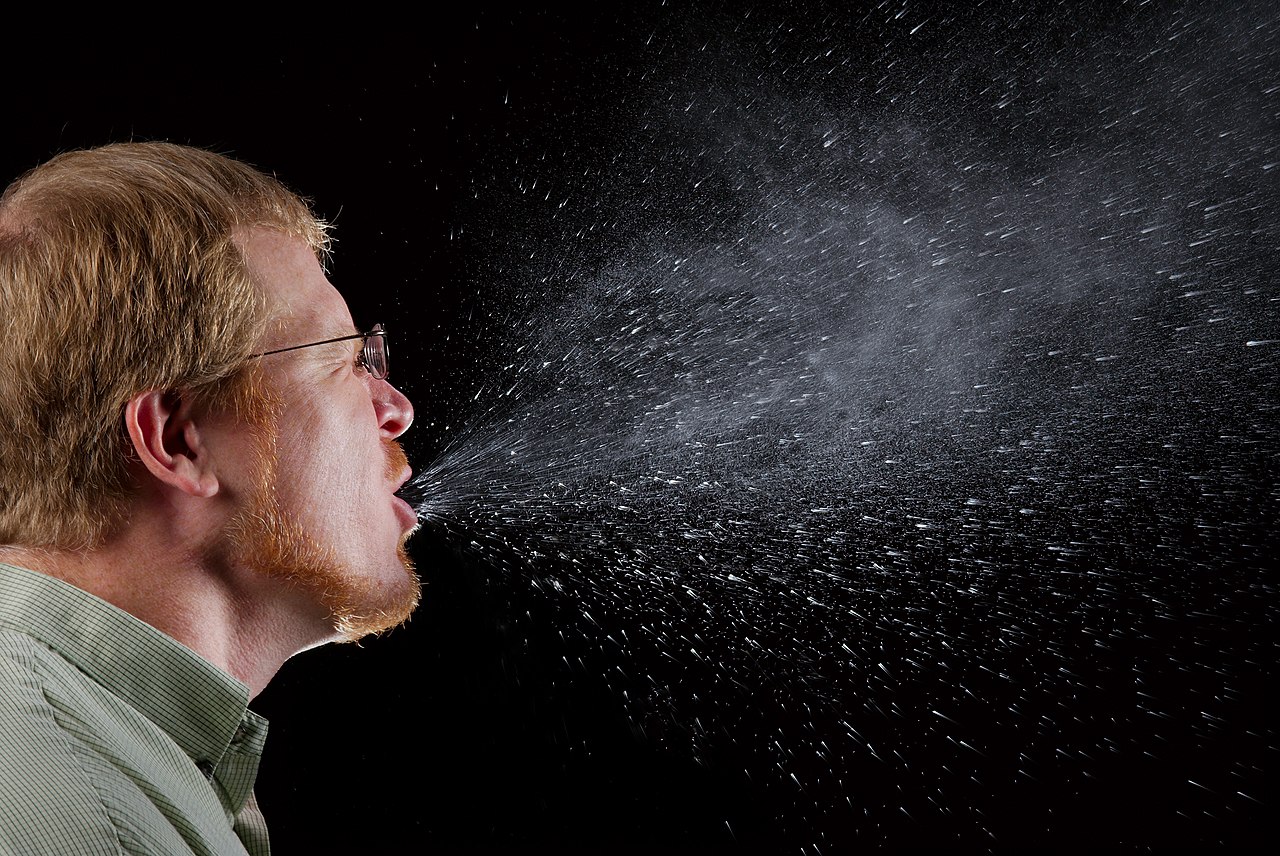
It looks like a sneeze cannot give anyone Alzheimer’s. While Alzheimer’s abnormal disease proteins do spread from cell-to-cell, they are not “infectious”. Check out the facts.